
The Complete Heat Transfer Shop Setup Checklist
53 Tools Every Apparel Decorator Actually Needs
Starting a heat transfer business is simple.
Building a professional, consistent, profitable heat transfer shop is not.
After working with thousands of apparel decorators using screen print transfers and DTF, one pattern is clear:
Shops that thrive don’t just own equipment.
They build systems around it.
This guide outlines the essential tools every heat transfer shop needs — from garment preparation and heat press accessories to workflow organization, shipping, and design infrastructure.
Whether you’re launching your first t-shirt business or refining a growing production floor, this checklist will help you build a shop that produces consistent, professional results.
As an Amazon Associate, we earn from qualifying purchases. We only recommend tools that align with professional heat transfer standards.
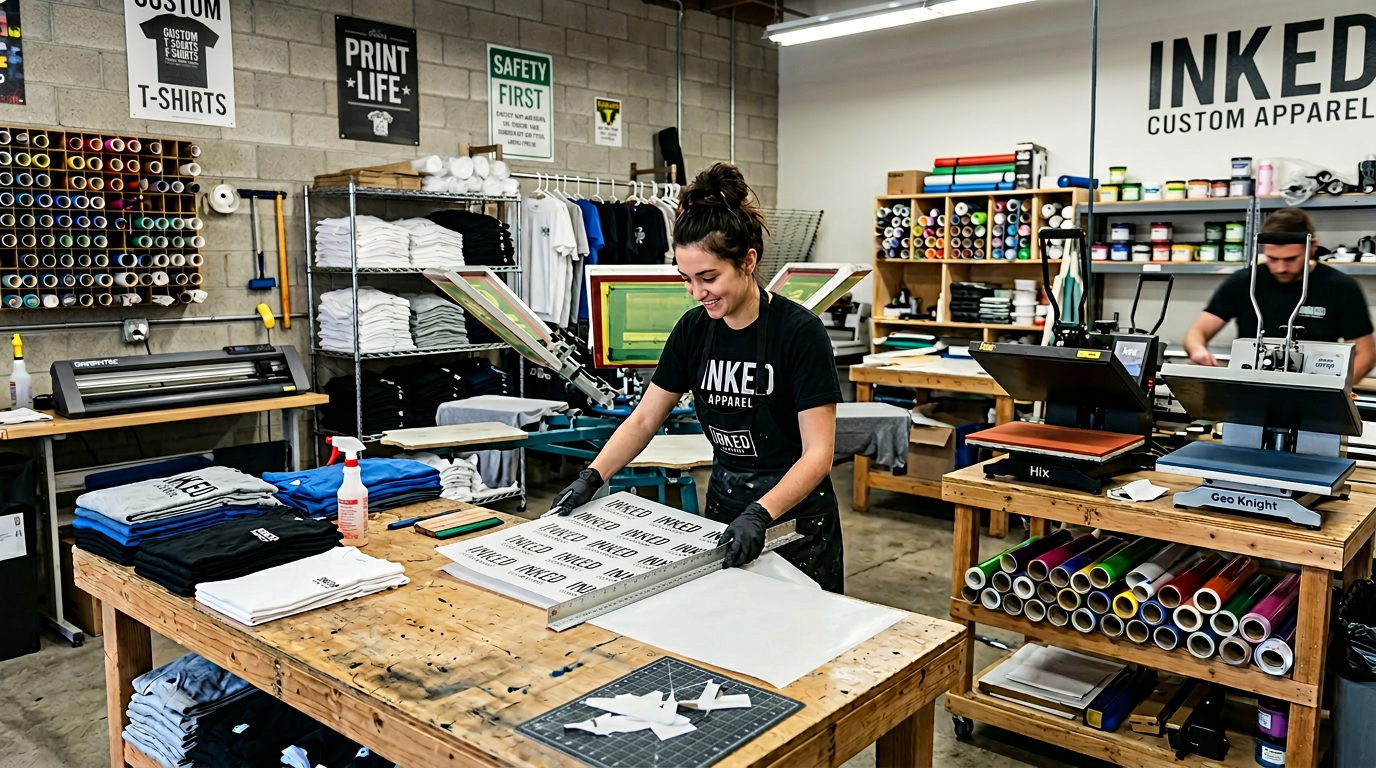
Quick Overview: Heat Transfer Equipment Categories
This guide is organized into the following sections:
Pre-Application Garment Preparation
Heat Press Accessories & Maintenance
Heat Printing Surface & Pressure Management
Transfer Preparation & Cutting Tools
Shop Safety & Operator Protection
Workflow, Staging & Production Efficiency
Shipping & Fulfillment
Photography & Marketing Essentials
Design & Art Development Infrastructure
Pre-Application Garment Preparation
Why Garment Prep Impacts Transfer Quality
Before a transfer ever touches heat, garment condition matters.
Lint, surface fibers, pilling, loose threads, moisture, and seam distortion can all interfere with adhesion and surface finish. Even the highest-quality transfer can struggle if applied to an unprepared garment.
Professional decorators treat garment prep as part of production — not an afterthought.
+ Lint Rollers
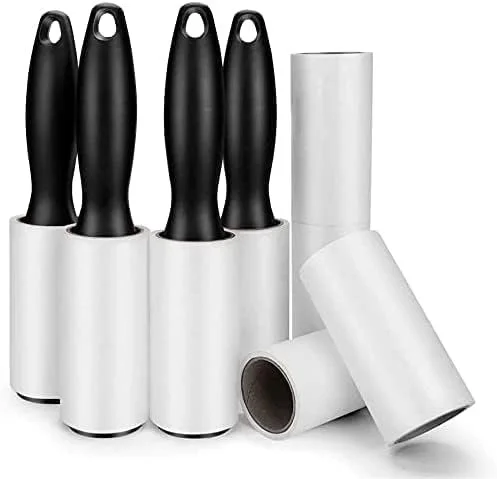
Lint and debris create microscopic barriers between adhesive and fabric fibers. Over time, this can lead to reduced adhesion or inconsistent texture around the design.
A lint roller at every press station is one of the simplest quality-control habits you can implement.
Best for: All decorators
Impact: Improves adhesion consistency
+ Fabric Shaver
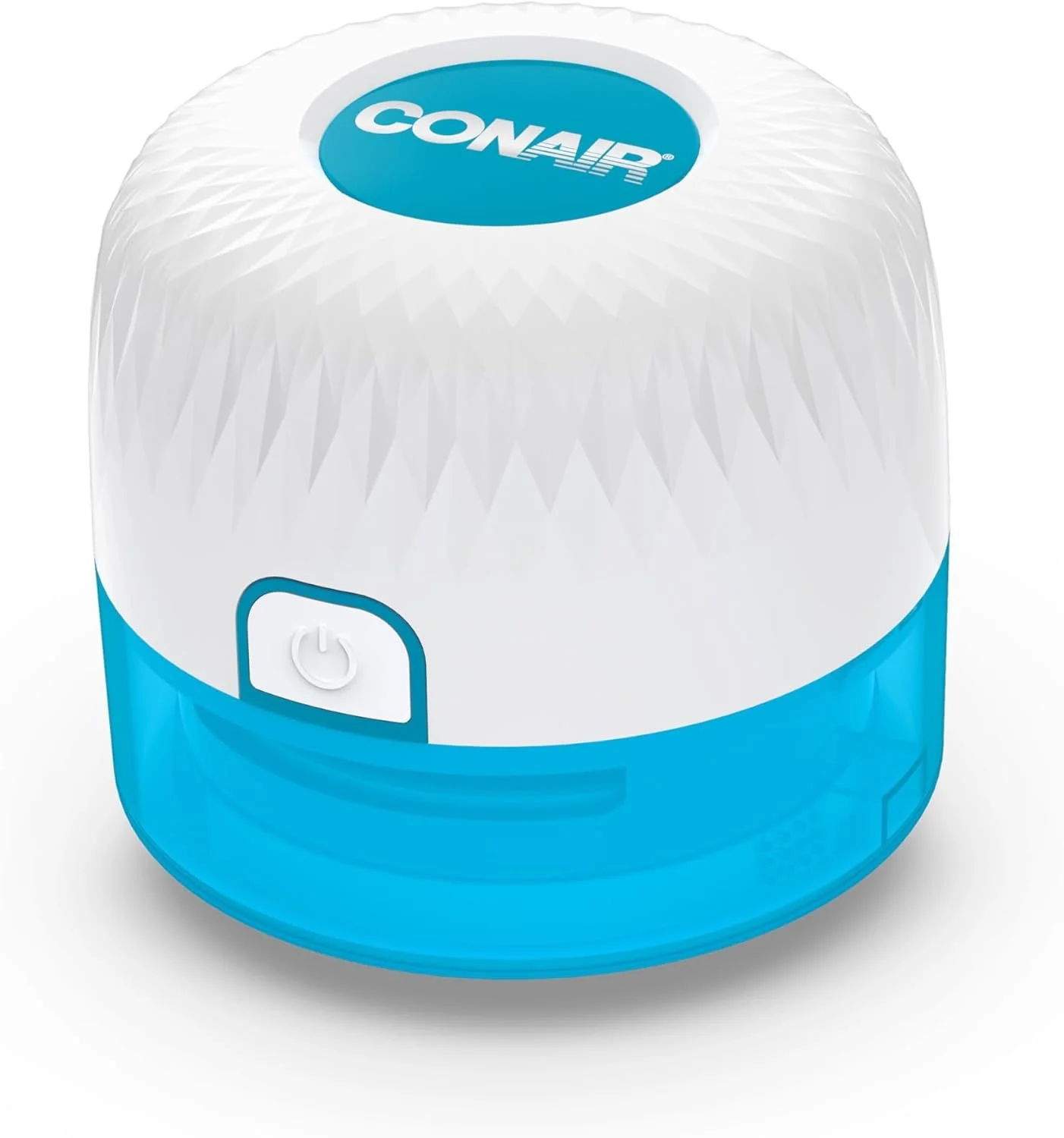
Garment-dyed sweatshirts and cotton fleece often have surface pilling. A quick pass with a fabric shaver:
Creates a smoother pressing surface
Reduces “fuzzy halo” around transfers
Improves the final print finish
This is especially useful for premium retail-style hoodies.
Best for: Decorators working with fleece or midweight sweatshirts
Impact: Cleaner print edges
+ Thread Snips
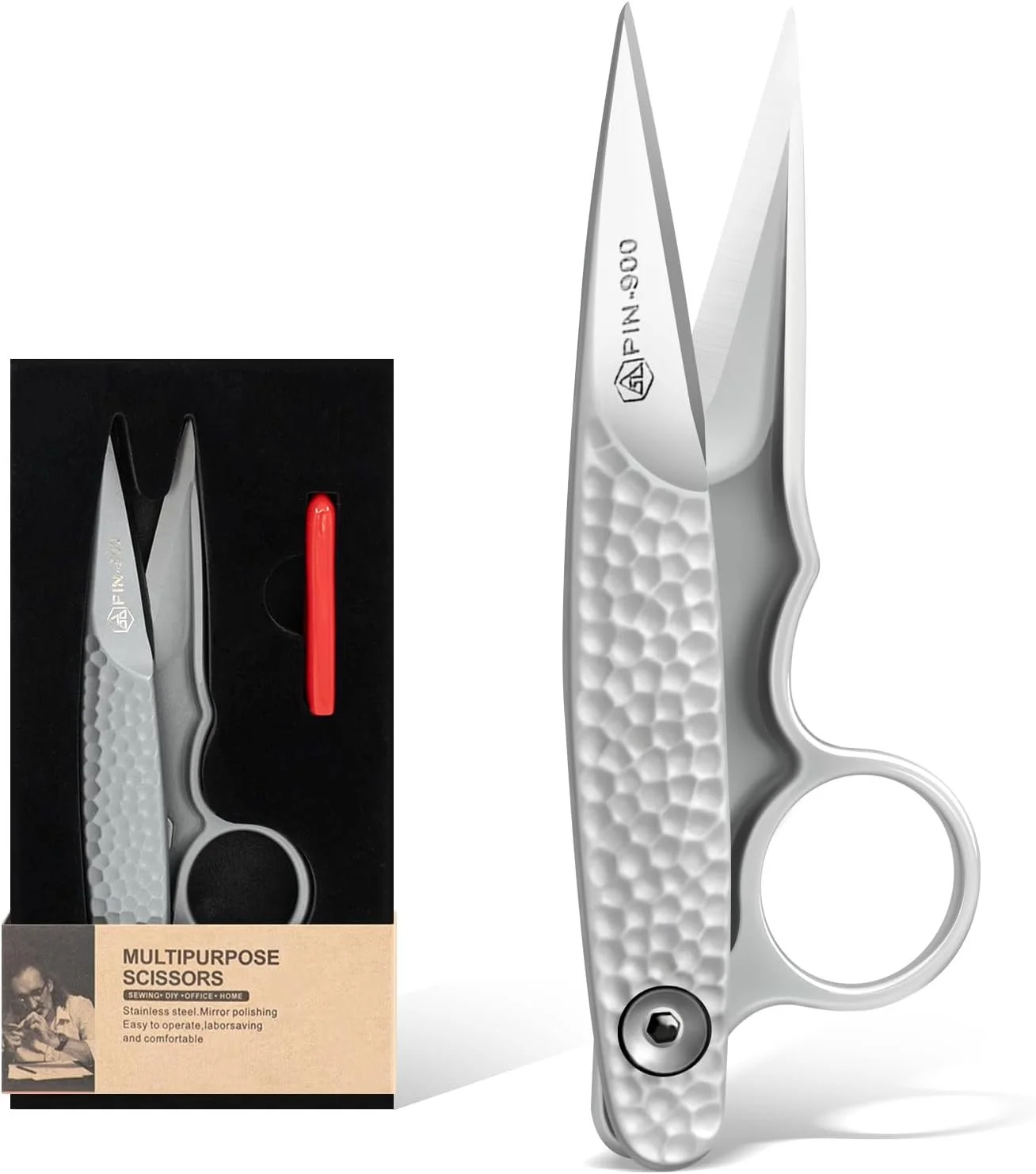
Thread snips are for surface cleanup — fast and efficient. Use them to:
Trim loose threads on hems and collars
Remove stray fibers before pressing
Clean up garment edges in staging
Loose threads can burn under heat or distort pressure during application. Snips prevent that from happening.
In volume environments, this becomes part of your standard workflow.
Best for: All decorators
Impact: Prevents heat damage from stray fibers
+ Seam Ripper
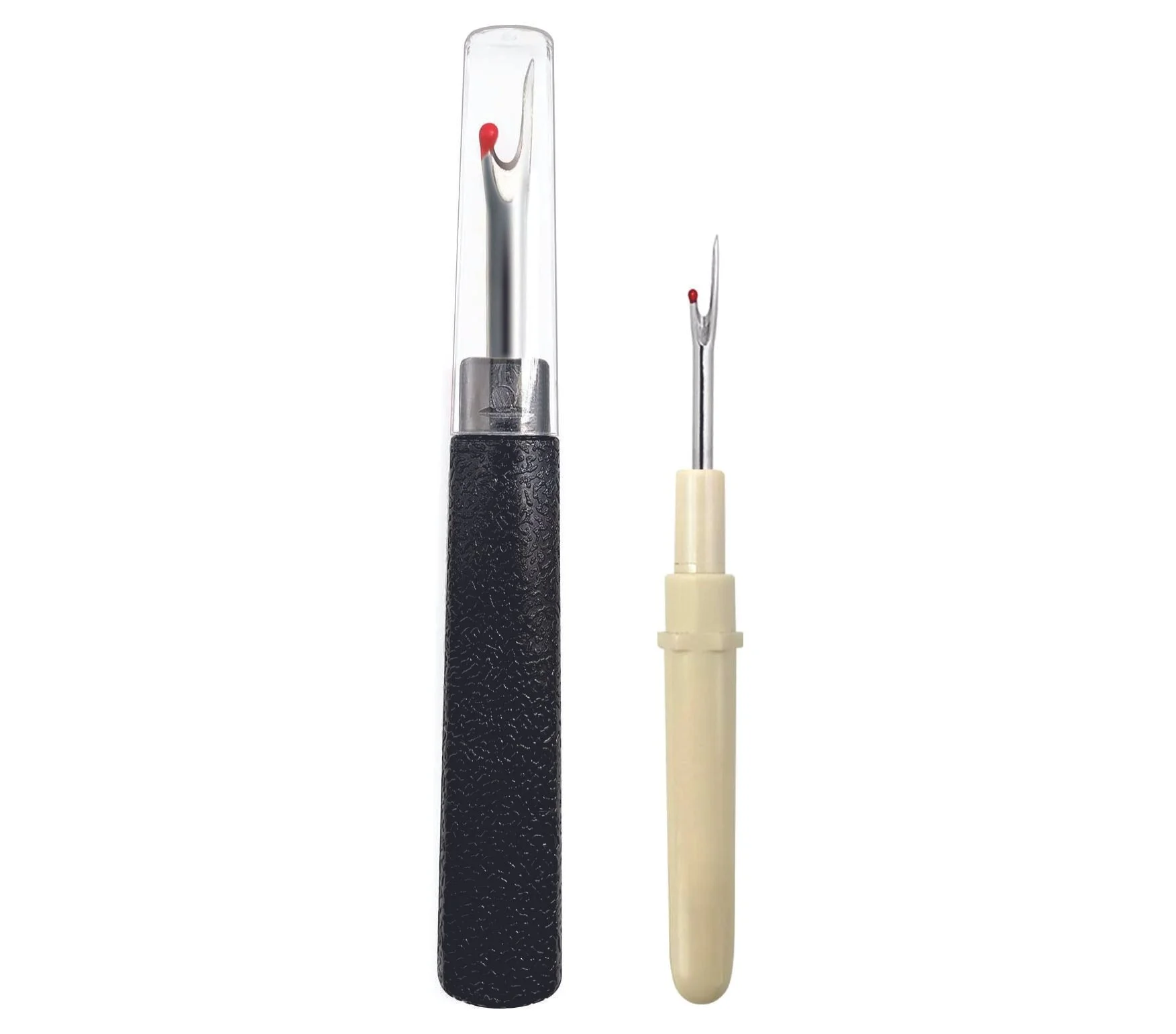
A seam ripper solves a different problem entirely. Use it when:
Removing interior neck tags before pressing
Correcting stitching defects on blanks
Preparing garments for private label finishing
This is especially useful for decorators selling retail or brand-forward merchandise.
Best for: Brand-focused decorators and retail programs
Impact: Enables garment customization and cleanup
+ Silicone Mat

In professional heat transfer shops, they’re used as a protective cover sheet when pressing heat-sensitive substrates.
They help:
Prevent scorching
Reduce shine on polyester blends
Protect specialty fabrics
Used correctly, silicone mats expand the types of garments you can press safely. Used carelessly, they can lead to under-cured applications.
Best for: Performance fabrics, poly blends, heat-sensitive garments
Impact: Prevents scorching while requiring adjusted press time
Heat Press Accessories & Maintenance
Consistency Is Everything in Heat Transfer Printing
In heat transfer application, temperature, pressure, and timing are everything.
Most adhesion failures aren’t caused by bad transfers. They’re caused by inconsistent heat, uneven pressure, or overlooked maintenance.
Professional decorators remove guesswork from their process. These tools help you verify, adjust, and maintain consistency over time.
+ Quilting Ruler
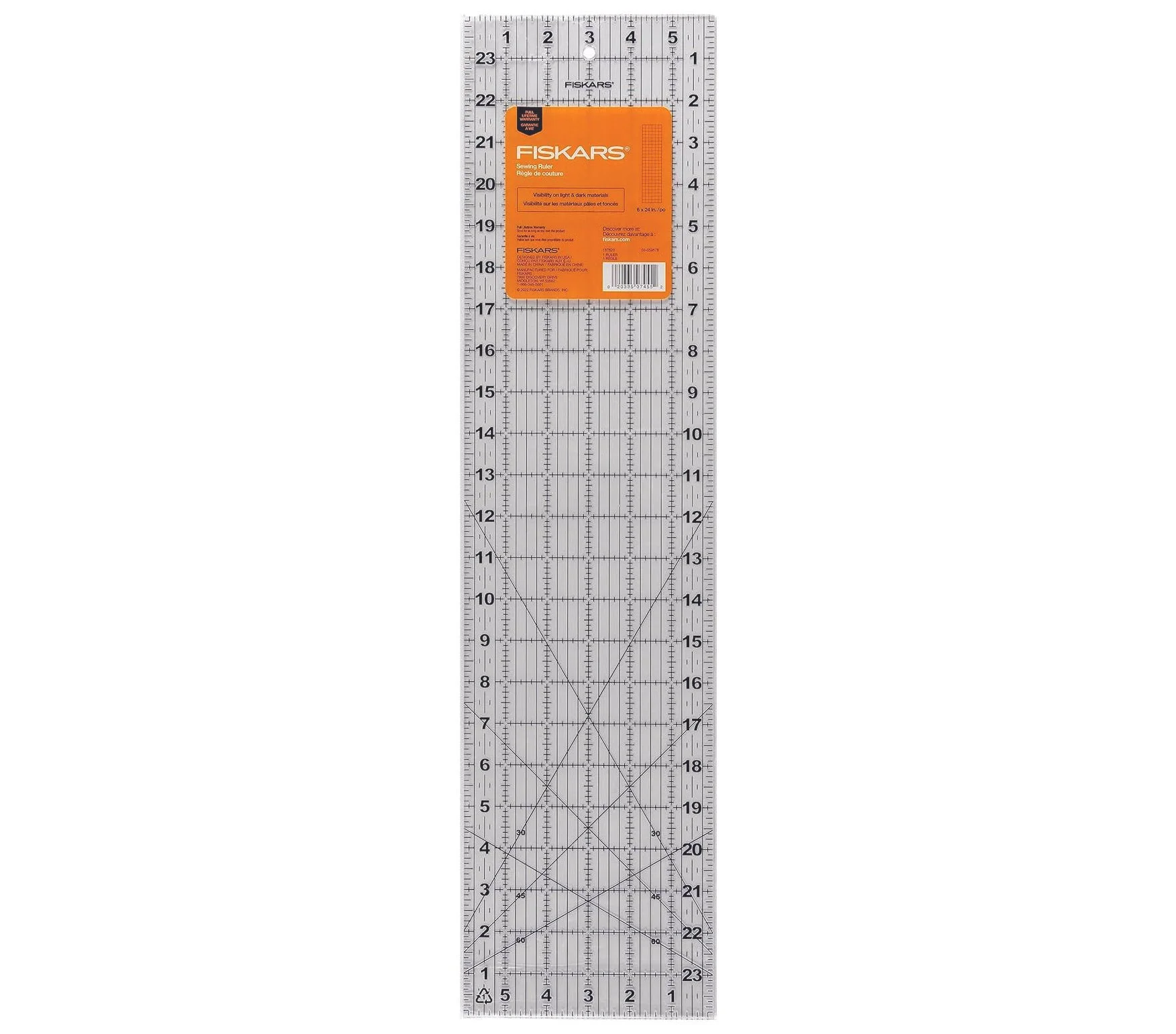
A clear quilting ruler is one of the most versatile alignment tools in a shop. Use it to:
Measure from collar to placement
Verify center lines
Adjust left chest placements
Standardize youth vs adult sizing
Because it’s transparent, you can see through it while aligning designs — which increases placement accuracy significantly.
Best for: All decorators
Impact: Improves placement consistency and reduces costly misprints
+ Metal Rulers
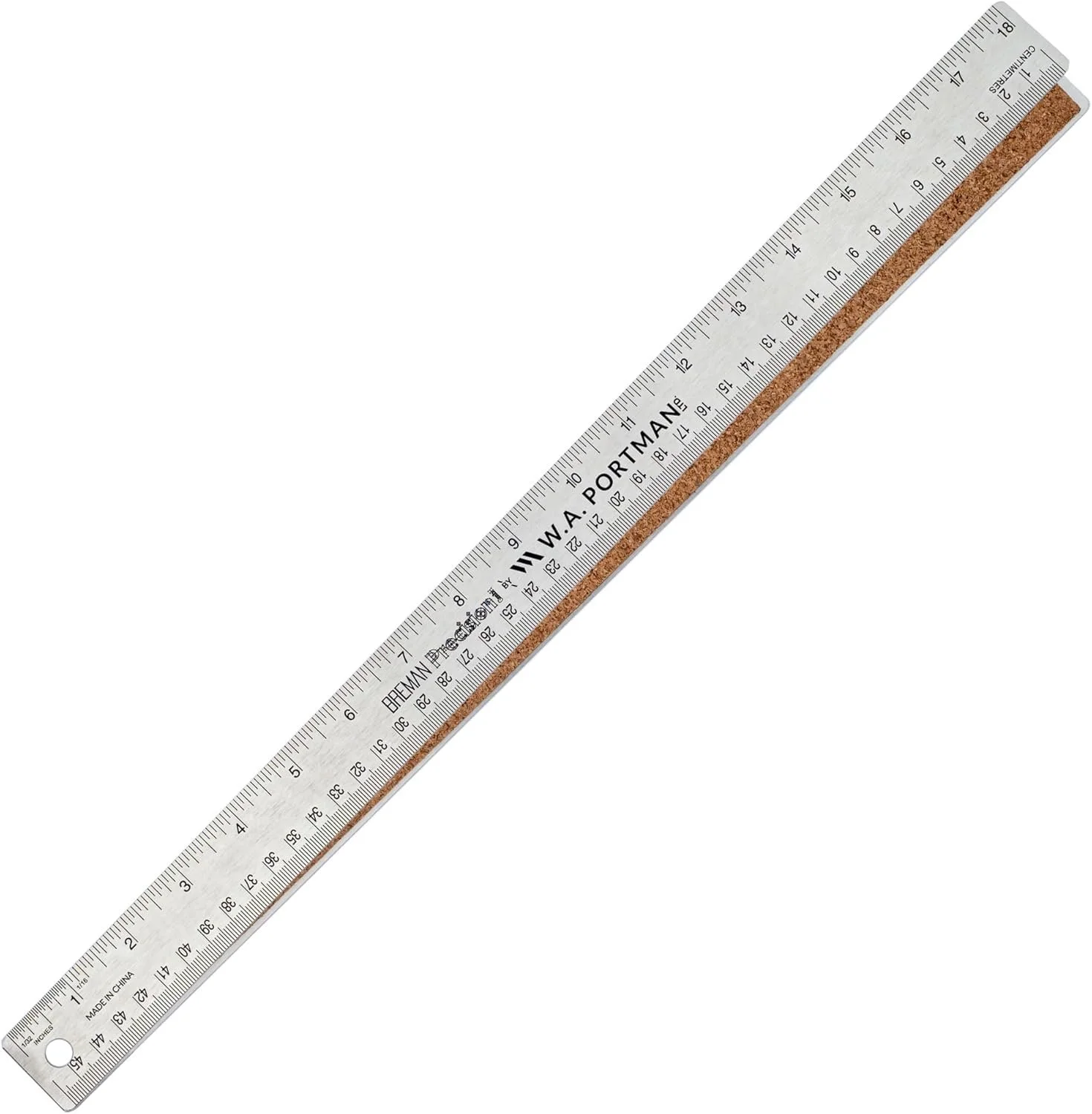
Metal rulers serve a different purpose than quilting rulers. They’re ideal for:
Hard-edge measurements
Straight trimming lines
Marking platen centers
Unlike plastic rulers, they won’t warp or degrade near heat sources.
Best for: All decorators
Impact: Durable, accurate measurement support
+ Infrared Thermometer Gun
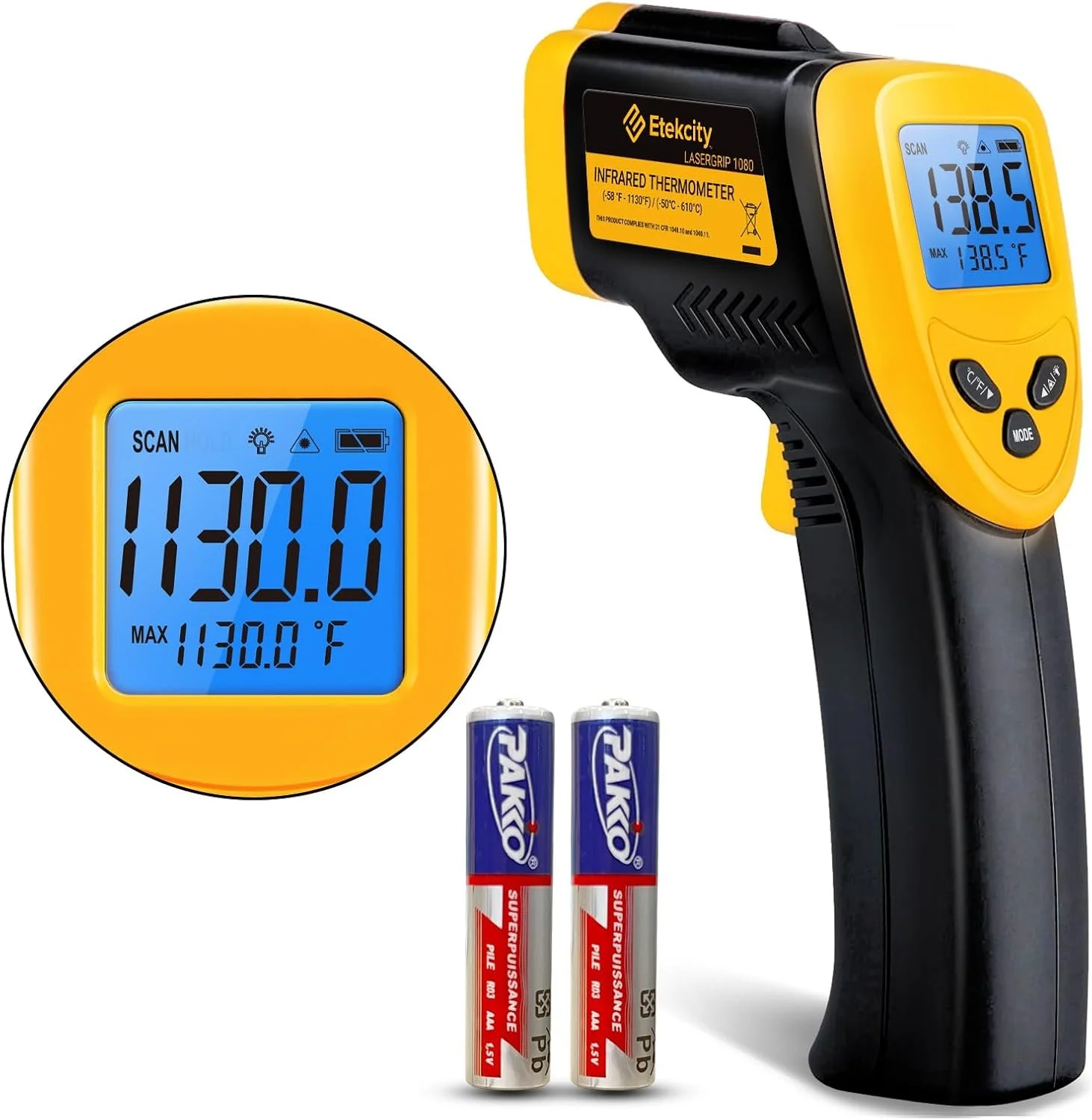
The digital display on your heat press is not always accurate. Even high-quality presses can run hot/cold or unevenly distribute temperature across platen edges. An infrared thermometer allows you to:
Verify actual platen temperature
Check for cold spots
Confirm consistency before production runs
Temperature verification is one of the simplest ways to eliminate application variables.
Best for: All decorators
Impact: Prevents under-curing or overheating transfers
+ Temperature Test Strips
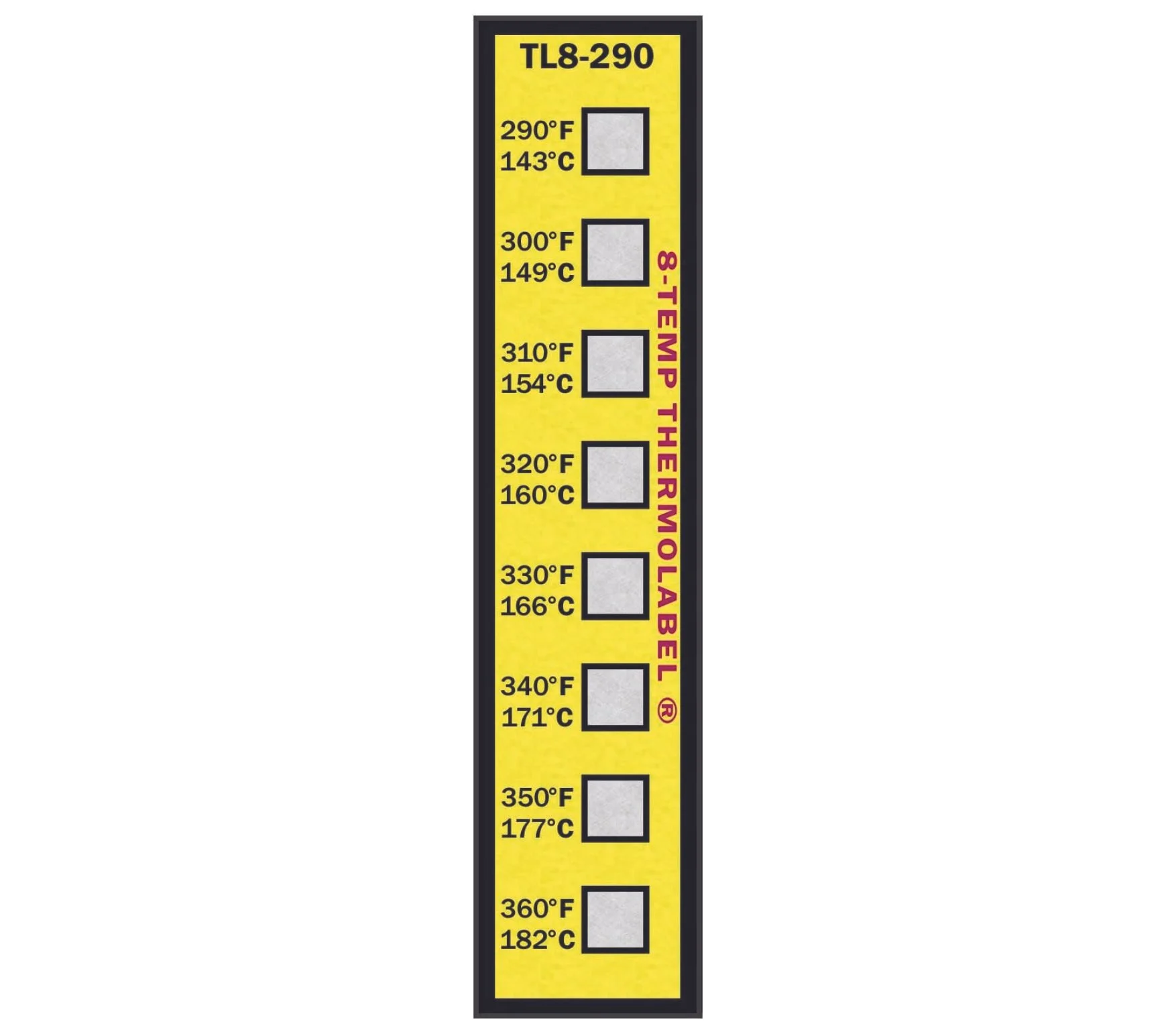
Temperature strips provide visual confirmation of heat levels during a press cycle. They’re particularly useful for:
Training new operators
Confirming heat distribution
Troubleshooting adhesion issues
Unlike an IR gun, strips show heat exposure during pressure — not just surface temperature. They add another layer of verification for shops focused on consistency.
Best for: Training environments and troubleshooting scenarios
Impact: Confirms heat exposure accuracy under pressure
+ Heat Tape
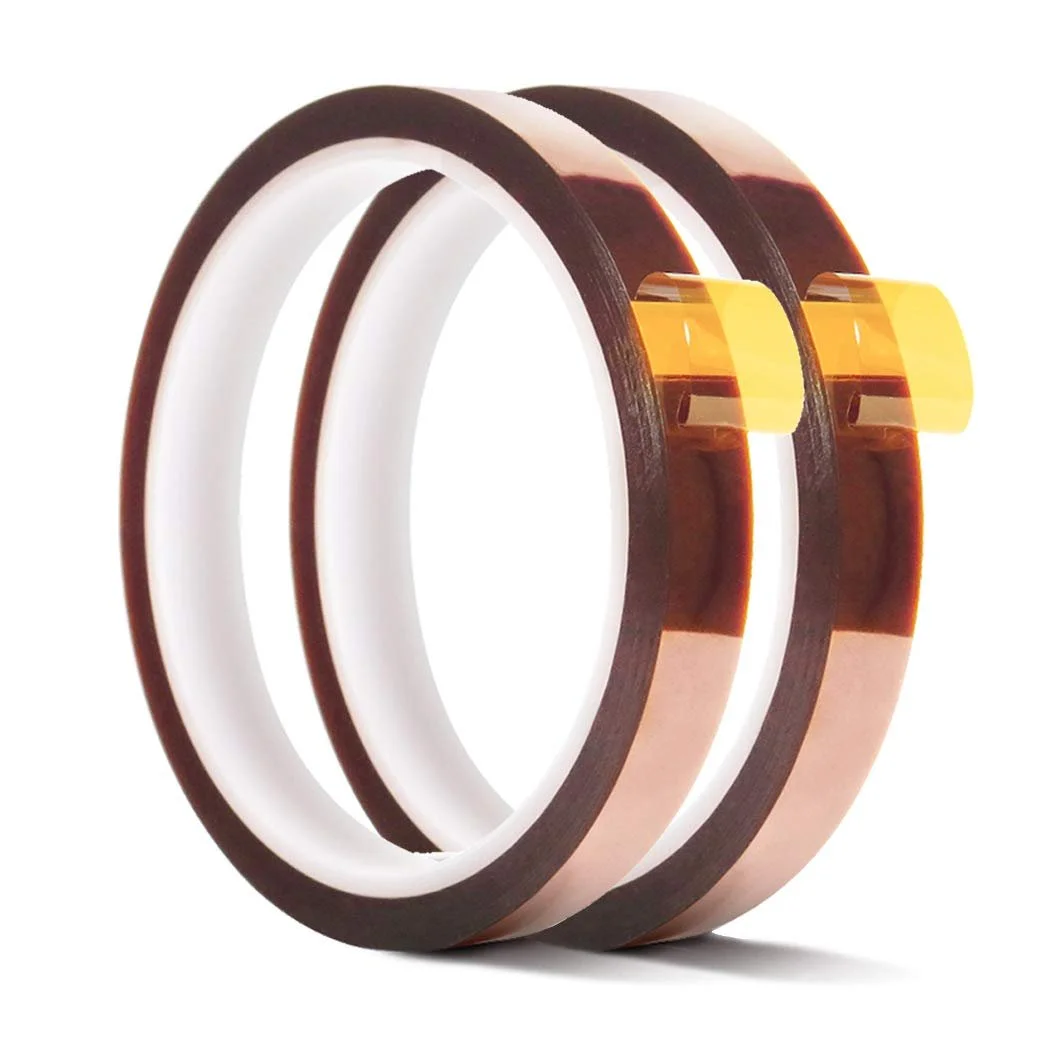
Heat tape keeps transfers stable during application. It’s especially helpful for:
Sleeve prints
Multi-location designs
Vertical placements
Swing-away presses
Even slight movement when closing a press can shift alignment. Heat tape prevents that.
Best for: Multi-placement jobs and precision applications
Impact: Reduces shifting and placement errors
+ Tacky Grease
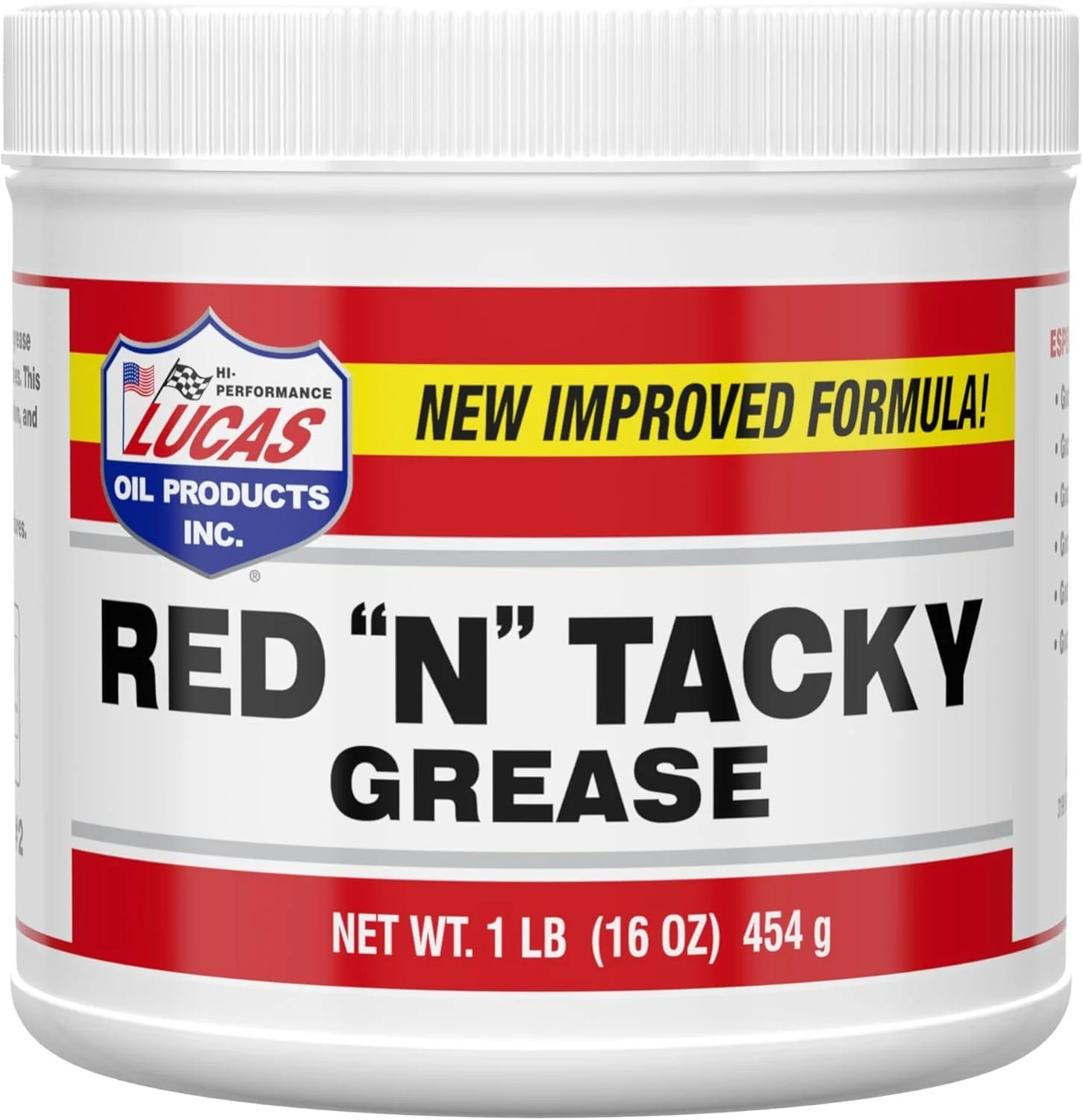
Heat presses have moving parts: hinges, pivot points, and pressure mechanisms. Over time, friction increases. Applying appropriate tacky grease:
Maintains smooth operation
Extends equipment lifespan
Prevents mechanical strain
Routine maintenance protects your most important production tool.
Best for: Shops running presses daily
Impact: Preserves equipment performance and longevity
+ Digital Timer
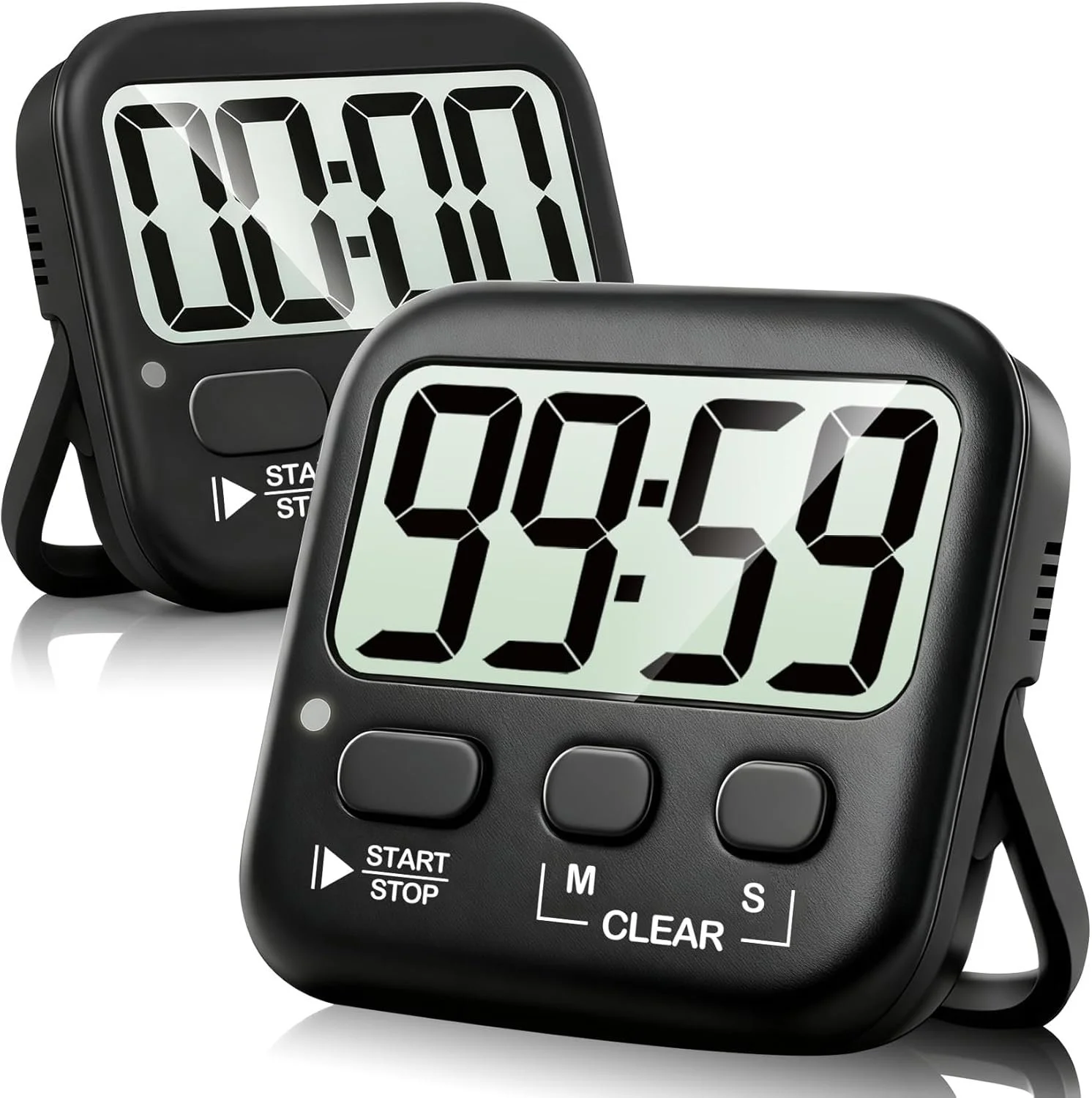
A digital timer isn’t just for monitoring press cycles — it’s for measuring efficiency. Professional decorators track how long jobs actually take.
Use a standalone timer to:
Measure total production time per order
Track average press time per garment
Identify bottlenecks in staging or alignment
Evaluate operator efficiency
Over time, this data helps you:
Improve scheduling accuracy
Set realistic turnaround times
Adjust pricing to reflect true labor costs
Protect your margins
Many decorators underestimate how much time is lost between presses. Tracking production time creates awareness — and awareness improves profitability.
Best for: Growing shops focused on operational efficiency
Impact: Improves scheduling accuracy and protects labor margins
Heat Printing Surface & Pressure Management
Even Pressure Is the Foundation of Durable Transfers
In heat transfer application, temperature gets most of the attention.
Pressure is just as important.
Uneven seams, zippers, pocket edges, textured fabrics, and performance materials can all disrupt pressure distribution. When pressure isn’t consistent, adhesive doesn’t bond evenly — and durability suffers.
Professional decorators control the surface they’re pressing on. These tools help create a level, stable, and predictable pressing environment.
+ Teflon Cover Sheets
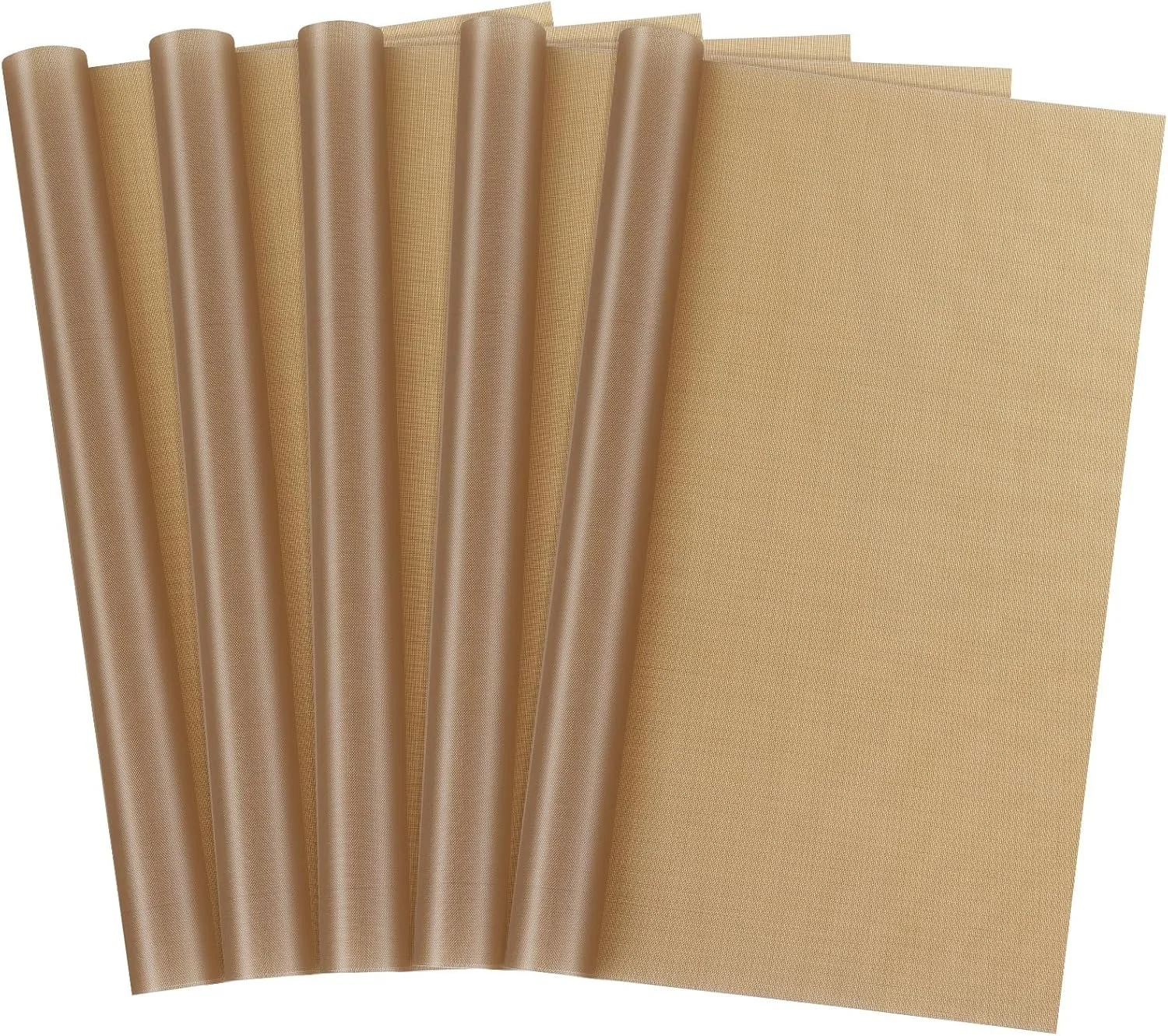
Teflon cover sheets serve as a protective barrier between your heat platen and the garment or transfer. They are commonly used to:
Protect the platen from adhesive bleed
Prevent scorching
Add a slight barrier during re-pressing
Protect specialty finishes during final cures
While useful, Teflon slightly reduces direct heat exposure. If you’re pressing through a cover sheet, you may need to verify that dwell time and adhesion remain consistent.
Best for: All decorators
Impact: Protects equipment and garments while supporting controlled finishing
+ Heat-Resistant Pressing Pillow Set
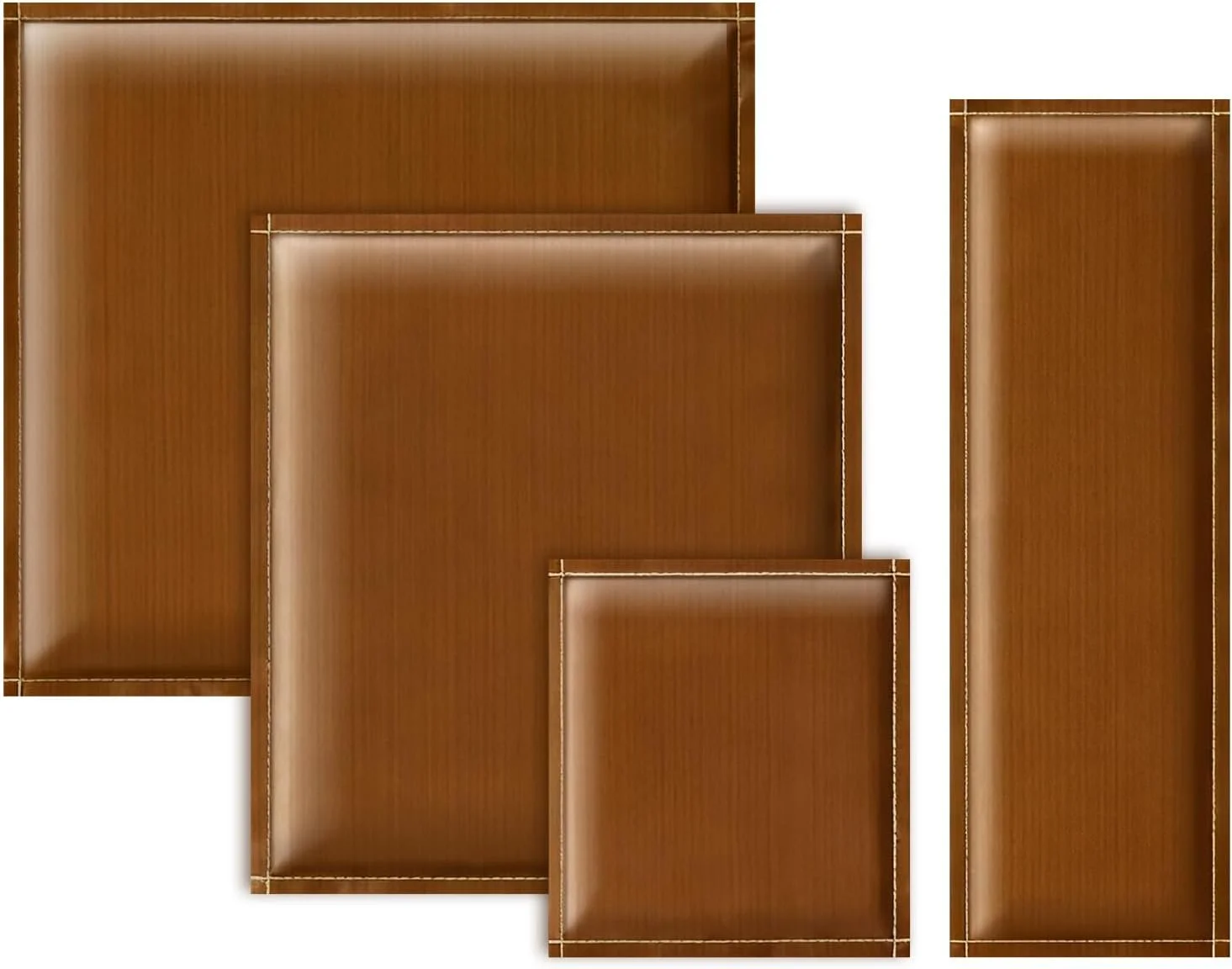
Pressing pillows raise the application area above seams, zippers, collars, and pockets. Without them, those raised areas absorb pressure — meaning your transfer does not receive even compression. Use pressing pillows when working with:
Hoodies
Zippered garments
Button plackets
Heavy seams
Thick fleece
They create a flatter pressing surface and allow pressure to distribute directly under the design area.
Best for: Decorators working with hoodies, fleece, and structured garments
Impact: Improves adhesion by isolating pressure to the design area
+ Neoprene
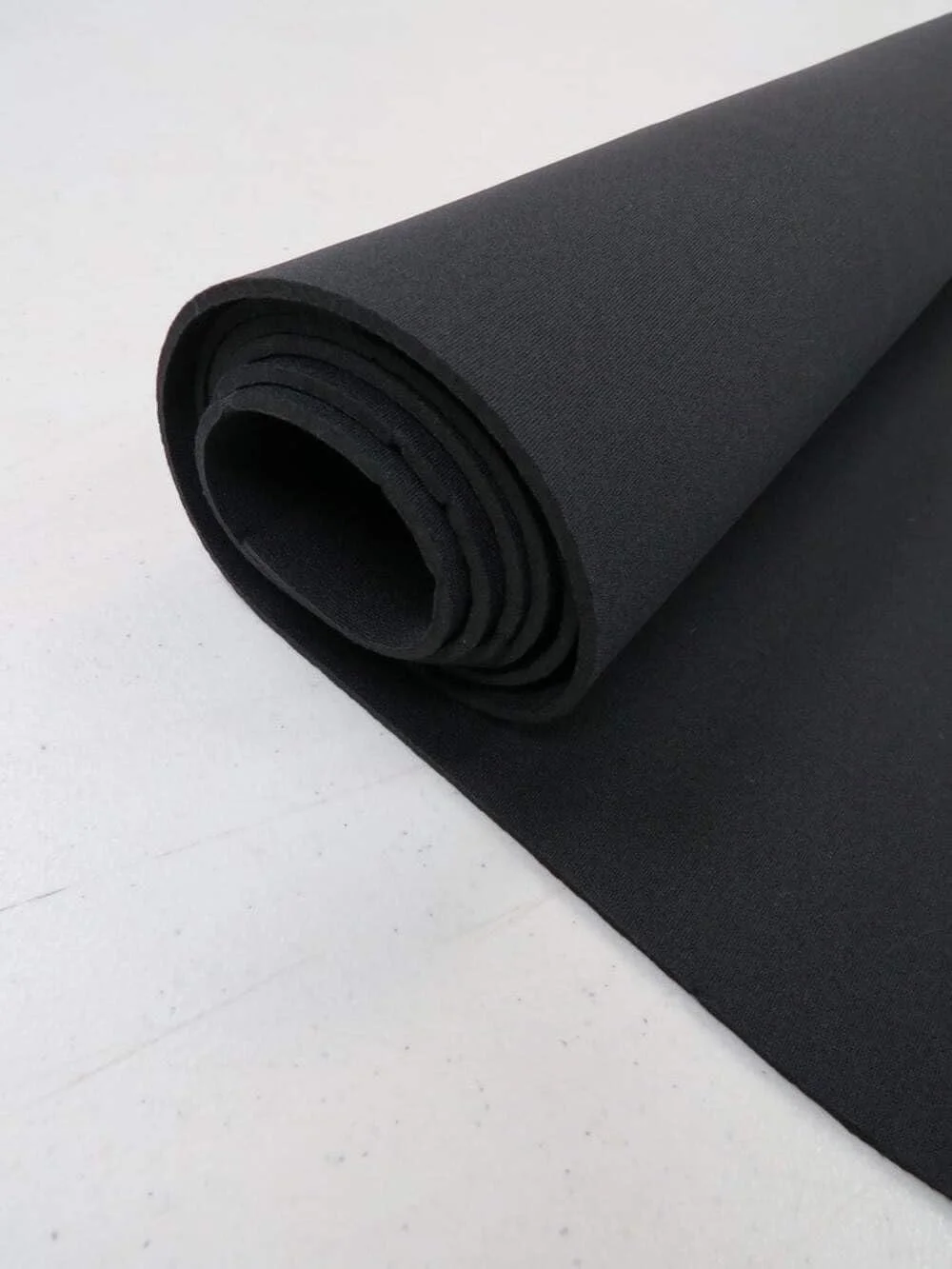
Neoprene is a versatile pressure adjustment tool.
Placed strategically on the platen, neoprene can:
Compensate for uneven surfaces
Fine-tune pressure distribution
Support specialty garment textures
Create custom platen height adjustments
Different thicknesses allow for controlled adjustments.
3mm: subtle pressure refinement
5mm: more significant surface leveling
Neoprene requires testing and verification. When added to your pressing surface, always confirm temperature and adhesion performance.
Best for: Intermediate to advanced decorators
Impact: Enhances pressure control and expands garment compatibility
+ Parchment Paper Sheets
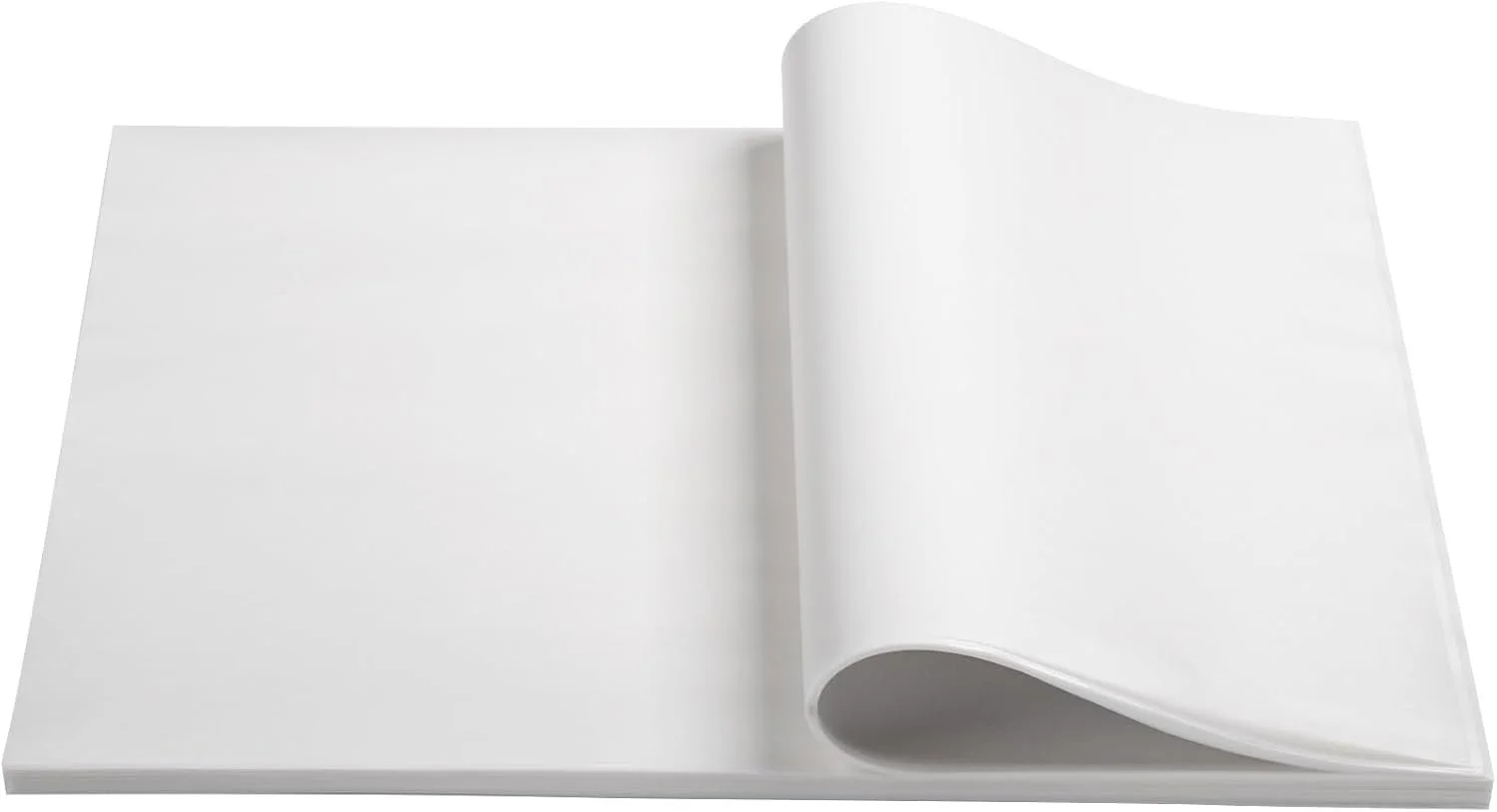
Parchment paper is frequently used during final re-pressing. It can help:
Create a softer surface finish
Reduce shine
Protect designs during secondary presses
Because parchment is disposable, it’s also a clean and convenient barrier for quick production runs.
As with any barrier material, confirm dwell time and adhesion when introducing it into your workflow.
Best for: All decorators, especially finishing stages
Impact: Improves final surface appearance
+ Pelon Sheets
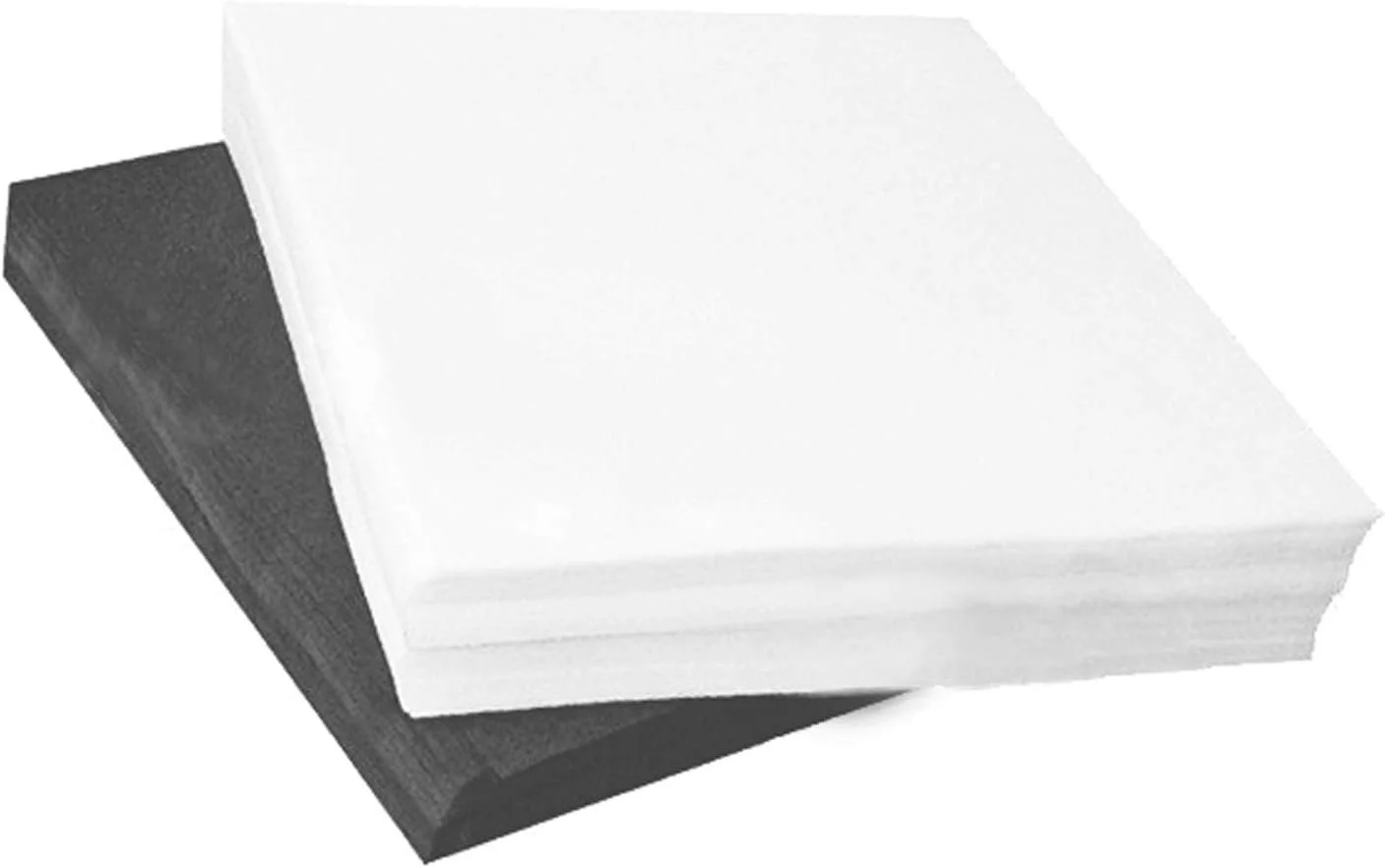
Pelon sheets are most effectively used as test substrates before beginning a full production run. Instead of pressing directly onto sellable garments, decorators can use Pelon to:
Verify temperature and pressure settings
Confirm adhesion performance
Test specialty finishes
Evaluate dwell time adjustments
Troubleshoot before risking inventory
They are available in black and white, allowing you to choose a background that best reflects the design you’re testing.
Using Pelon as a test print surface protects margins. It allows you to dial in your process before committing to production garments — especially when working with new materials or unfamiliar applications.
Best for: All decorators, especially when testing new garments or specialty applications
Impact: Prevents production errors and protects sellable inventory
Transfer Preparation & Cutting Tools
Clean Cuts and Organized Prep Improve Production Flow
Transfers rarely arrive perfectly sized for your exact production layout.
Whether you’re working with gang sheets, bulk screen print transfers, or mixed-size layouts, clean trimming and organized prep directly impact efficiency.
Messy cuts slow down production. Poor prep leads to stacking issues, misalignment, and wasted time at the press.
Professional decorators build cutting and prep into their workflow — not as an afterthought.
+ Precision Knife + Replacement Blades
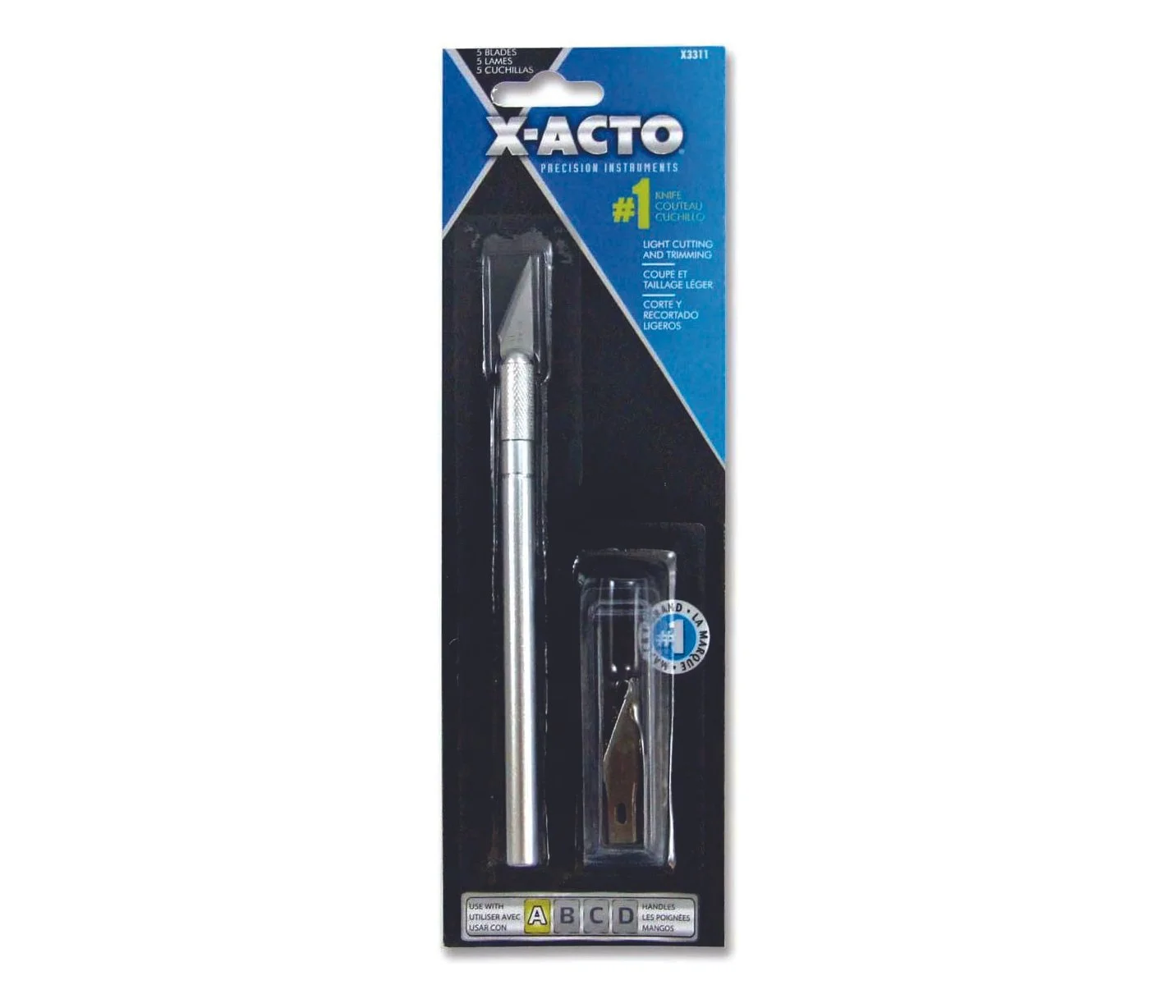
A precision craft knife is ideal for detailed trimming. Use it for:
Separating tightly nested gang sheet elements
Cleaning up small edge areas
Removing excess carrier between designs
Always keep fresh blades on hand. Dull blades tear carrier sheets and create jagged edges that slow down placement.
Best for: All decorators working with gang sheets or tight layouts
Impact: Improves trimming accuracy and reduces prep time frustration
+ Rotary Cutter
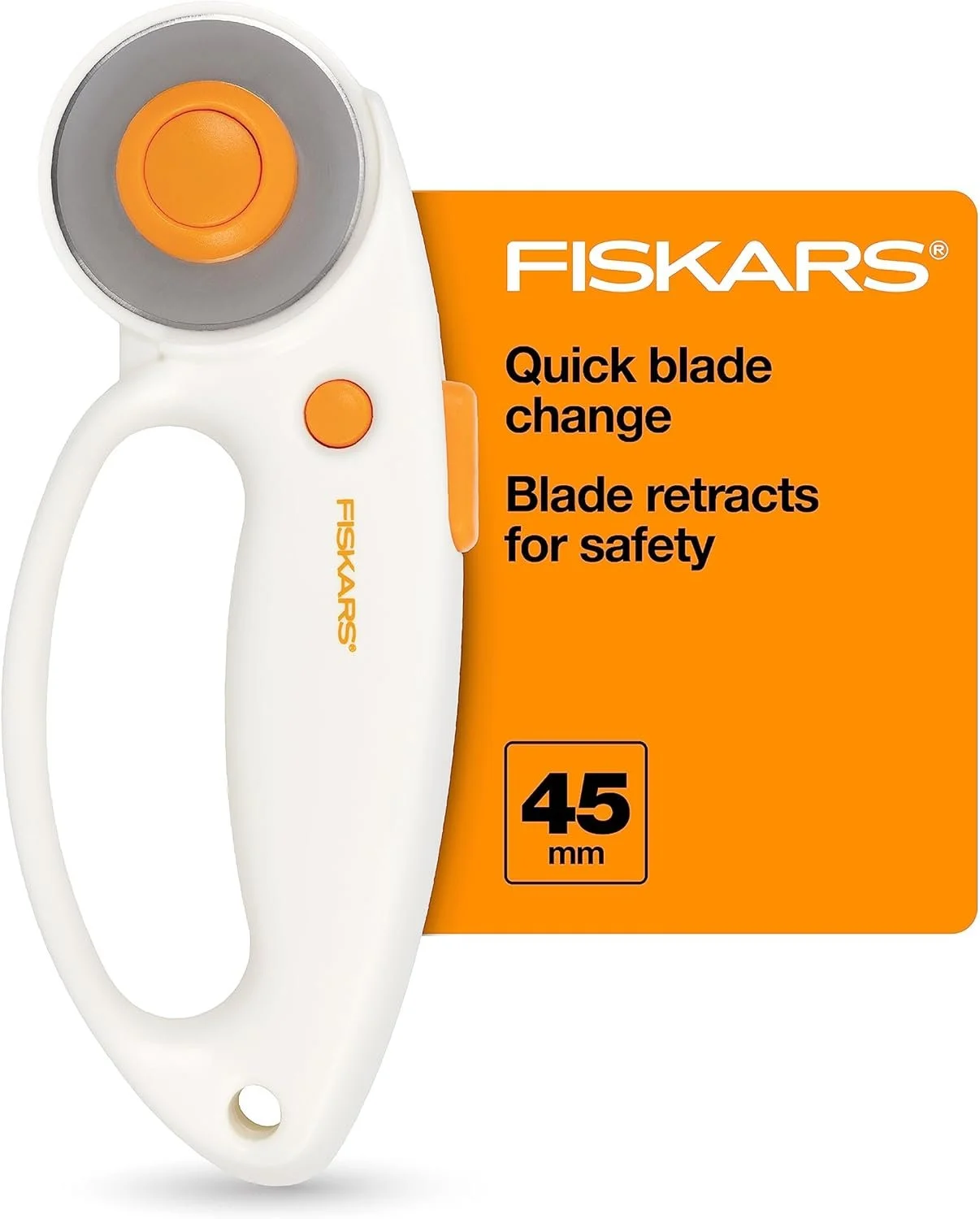
A rotary cutter provides fast, straight cuts across larger sheets. It’s particularly useful for:
Separating rows of gang sheets
Low-volume trimming
Maintaining consistent edges
Compared to scissors, rotary cutters produce cleaner, more repeatable lines — especially when paired with a cutting mat.
Best for: Shops trimming transfers daily
Impact: Speeds up sheet breakdown and increases cutting precision
+ Cutting Mat
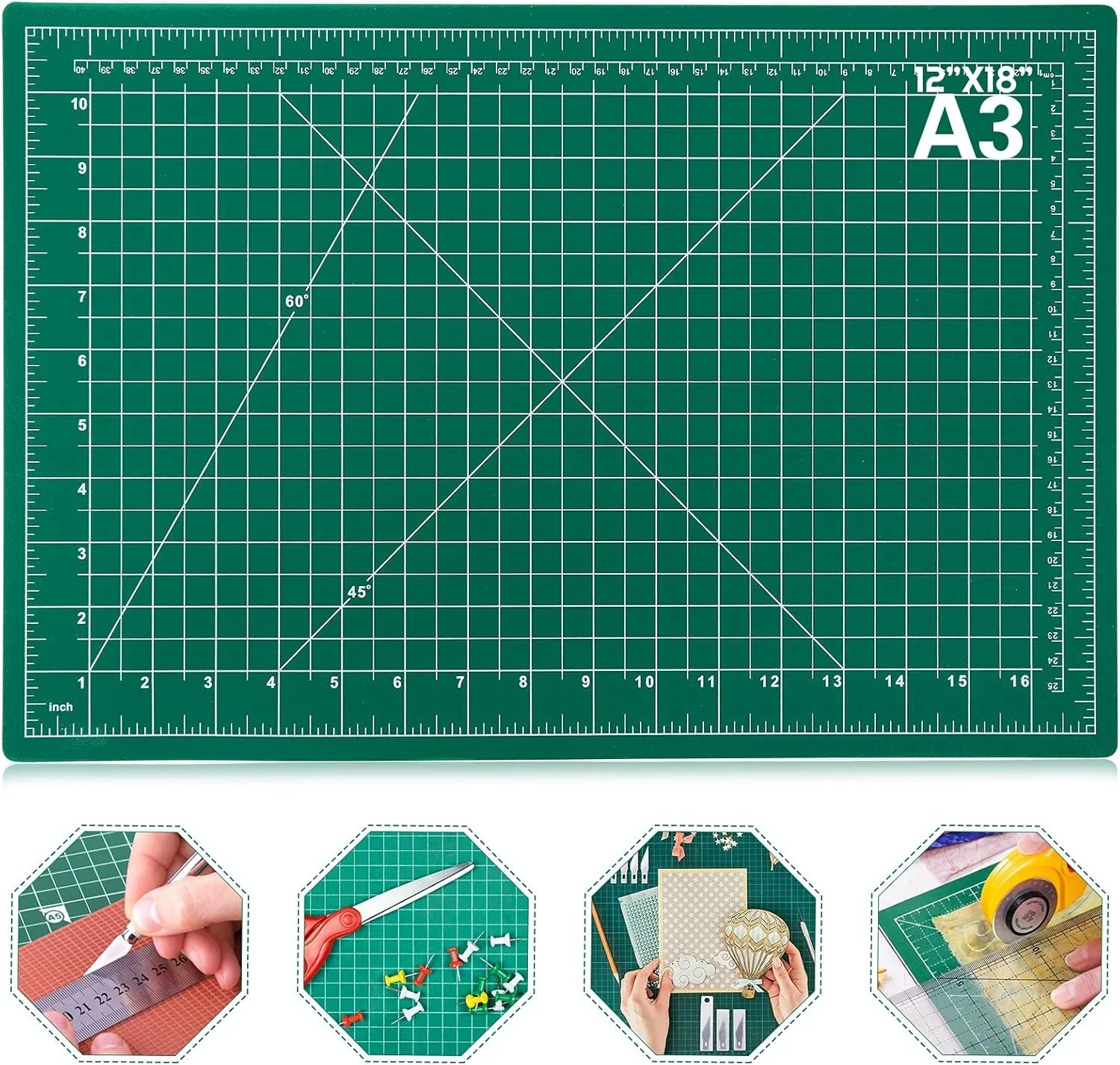
A self-healing cutting mat protects surfaces and improves accuracy. It allows you to:
Use knives and rotary cutters safely
Align designs using grid lines
Maintain consistent spacing
Grid markings on cutting mats also support repeatability when breaking down identical sheets.
Best for: All decorators performing manual trimming
Impact: Protects work surfaces and improves cutting accuracy
+ Guillotine Cutter
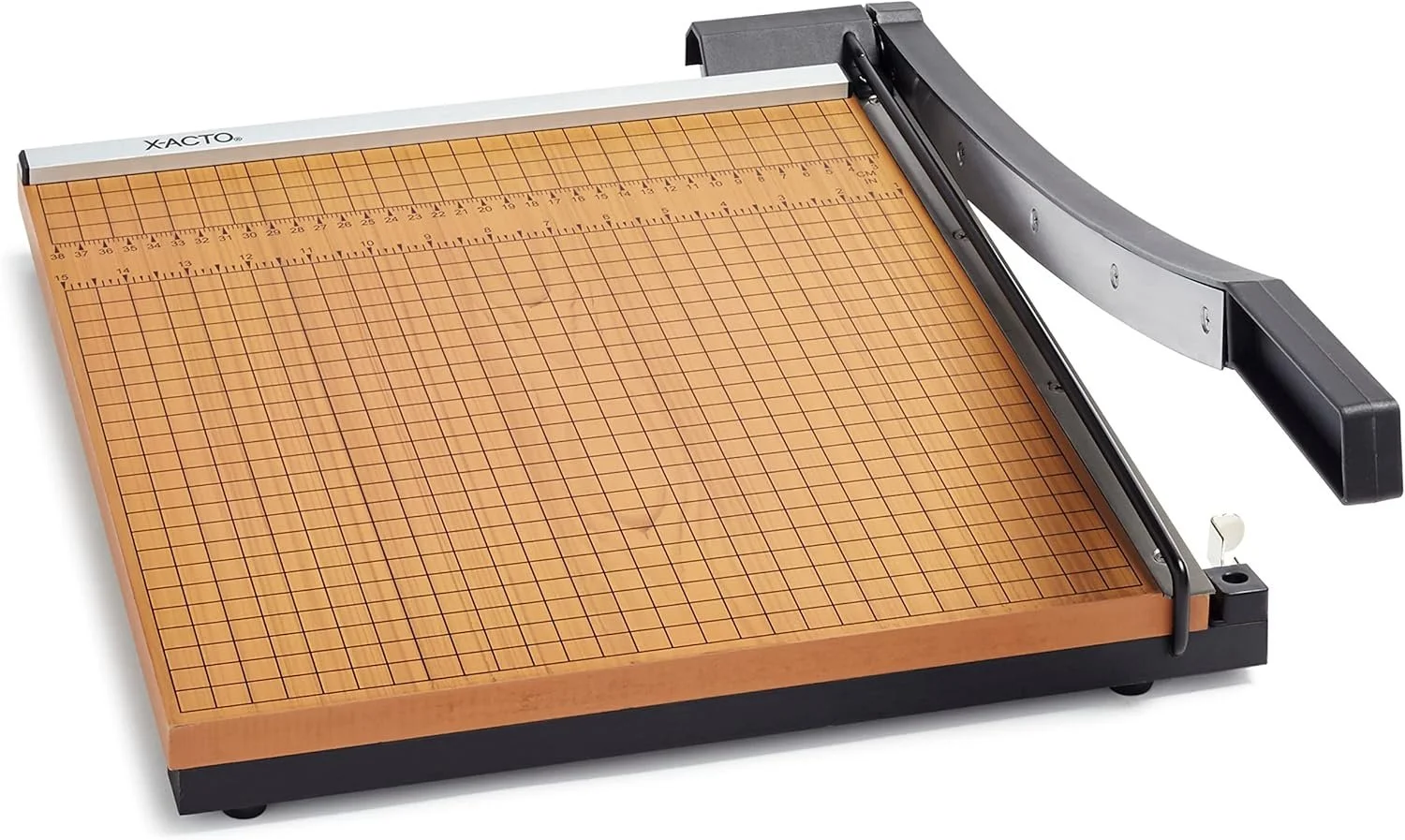
Industrial guillotine cutters are designed for production environments. They:
Handle thicker stacks
Allow faster breakdown of bulk sheets
Improve throughput in high-volume operations
When production scales, trimming becomes a bottleneck. Industrial cutters remove that bottleneck.
Best for: High-volume decorators
Impact: Dramatically increases prep speed and production flow
+ Goo Gone
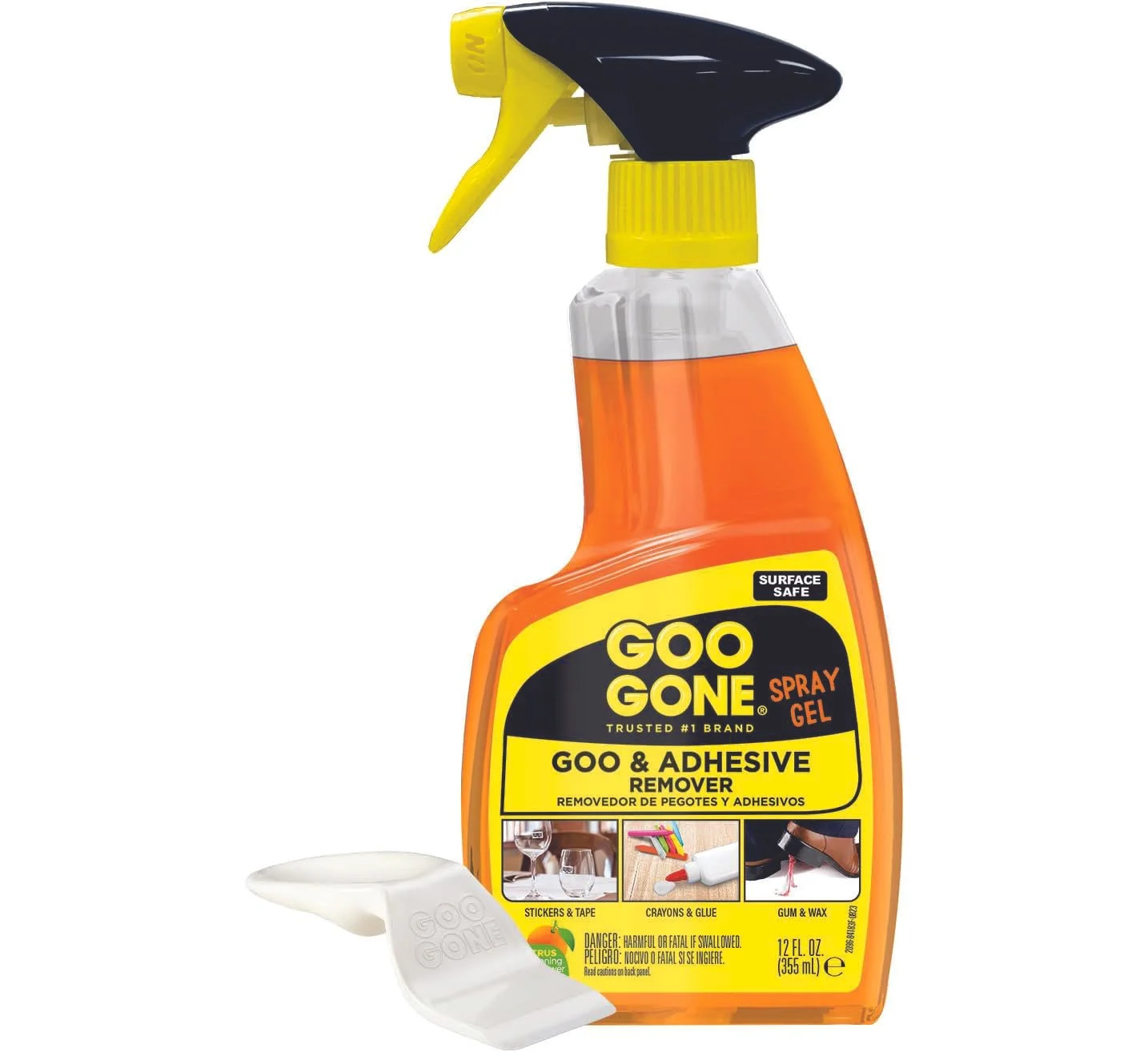
Adhesive residue happens. It can occur:
On platens
On work tables
On cutting tools
A safe adhesive remover allows quick cleanup without damaging surfaces.
Clean work areas reduce contamination and improve long-term equipment condition.
Best for: All decorators
Impact: Maintains clean surfaces and protects equipment
Shop Safety & Operator Protection
Sustainable Shops Protect Their Operators
Heat transfer decorating is physical work.
You’re standing for hours. Reaching across platens. Handling hot materials. Repeating motions hundreds of times per day.
Long-term shop success depends on operator longevity — not just output.
These tools don’t increase production speed directly. They protect the people who make production possible.
+ Rubber Finger Protectors
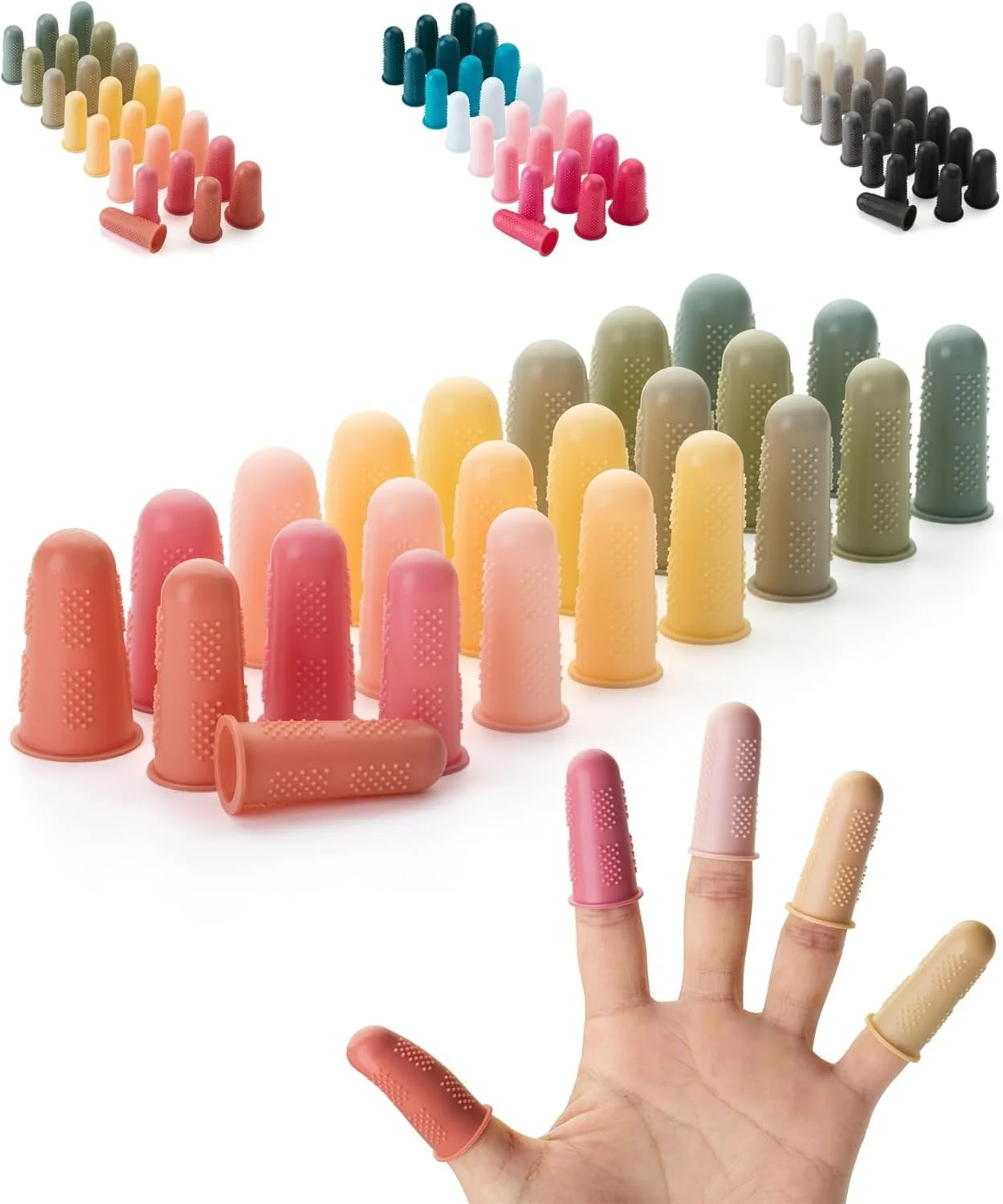
Hot peel transfers, small carrier edges, and tight placements can quickly lead to burned fingertips. Rubber finger protectors:
Reduce heat exposure
Improve grip during peels
Prevent small repetitive burns
They’re inexpensive and often overlooked — but they improve daily comfort immediately.
Best for: All decorators working with hot peels or small designs
Impact: Reduces minor burns and improves operator comfort
+ OSHA Compliant First Aid Kit
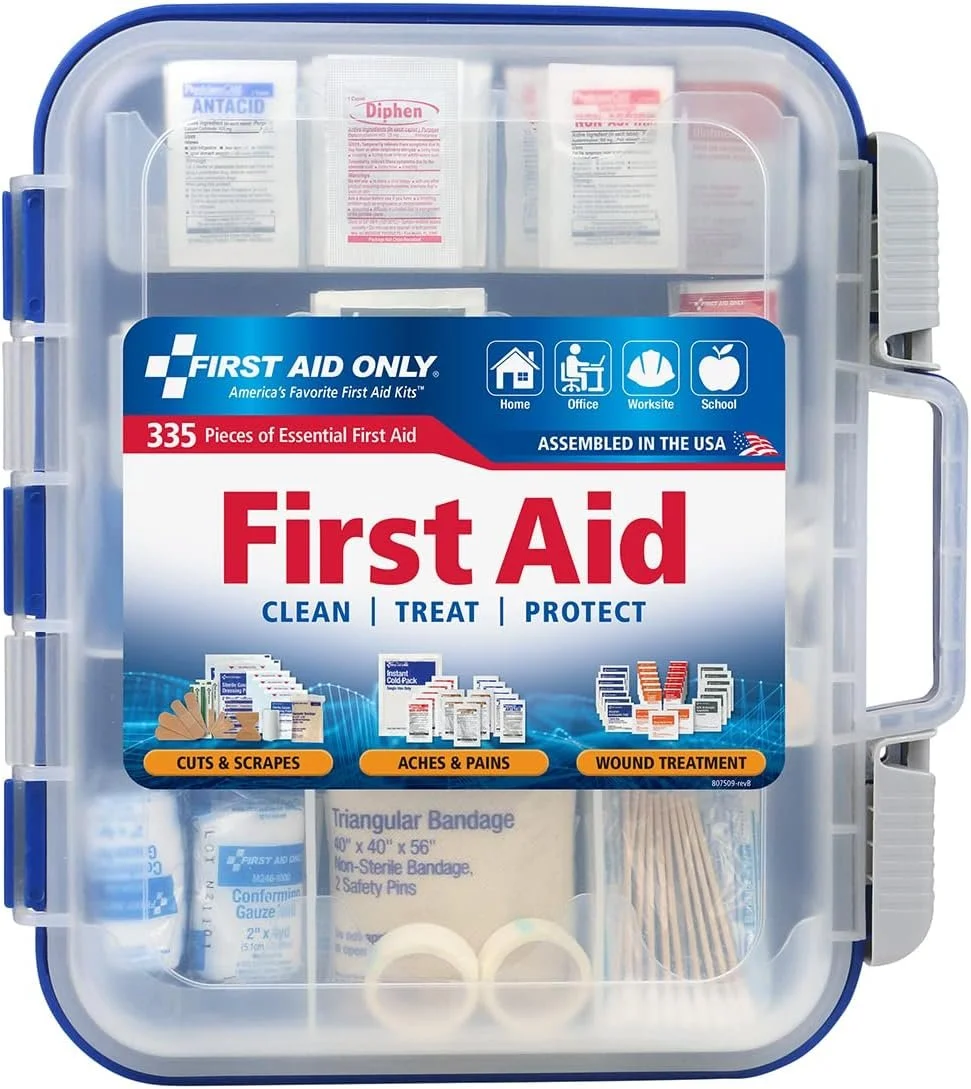
When working with heat equipment, preparation matters. An OSHA-compliant first aid kit should include:
Burn gel
Sterile pads
Adhesive bandages
Basic wound care
Most incidents in heat transfer shops are minor — but having proper supplies readily available keeps small problems from becoming bigger disruptions.
Best for: All production environments
Impact: Improves workplace preparedness and safety response
+ Fire Extinguisher
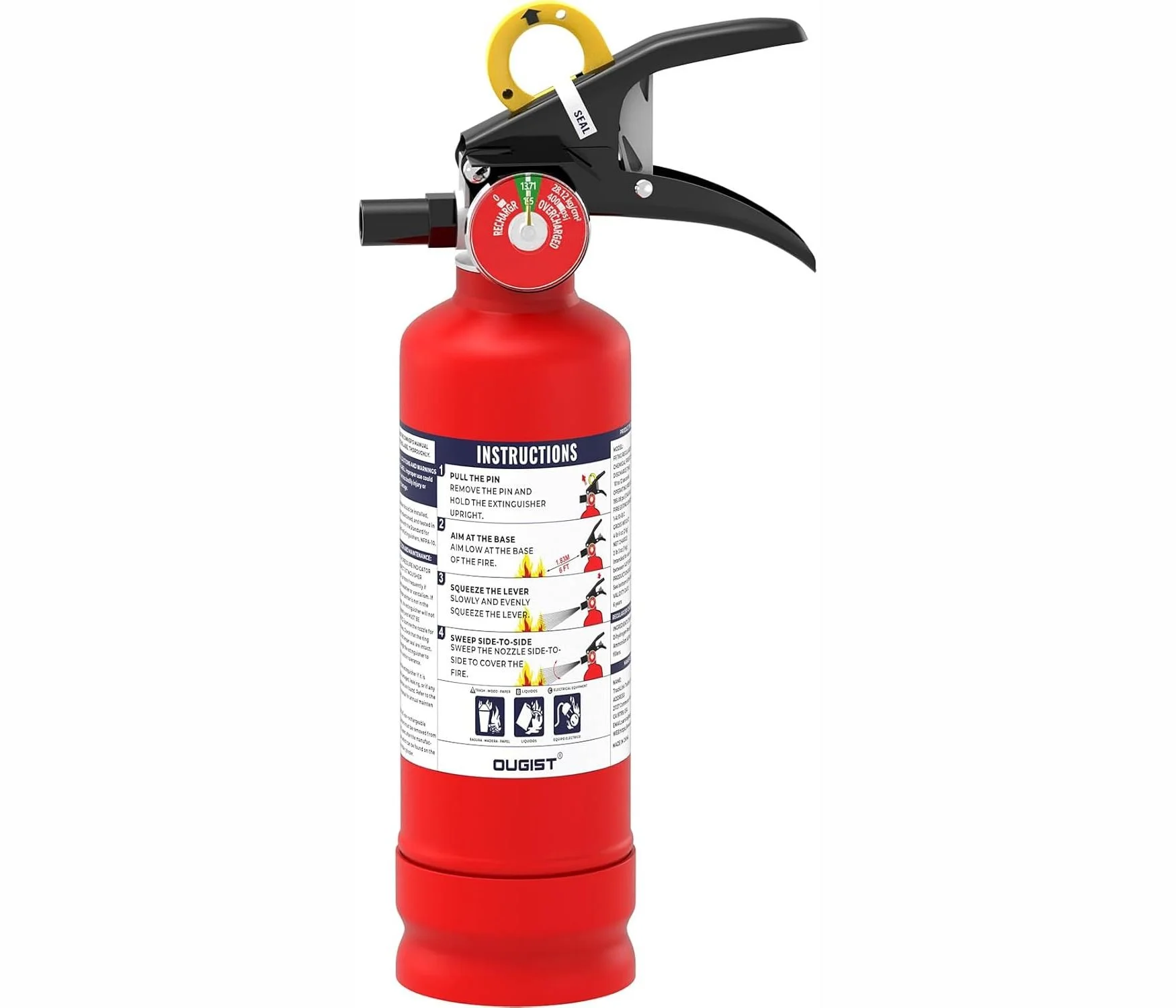
Any shop operating heat equipment should have an accessible fire extinguisher. It should be:
Properly rated
Mounted visibly
Easily accessible
Inspected regularly
Heat presses, extension cords, and electrical equipment require proactive safety planning. This isn’t optional. It’s responsible operation.
Best for: All decorators
Impact: Protects equipment, inventory, and personnel
+ Ventilation Fan
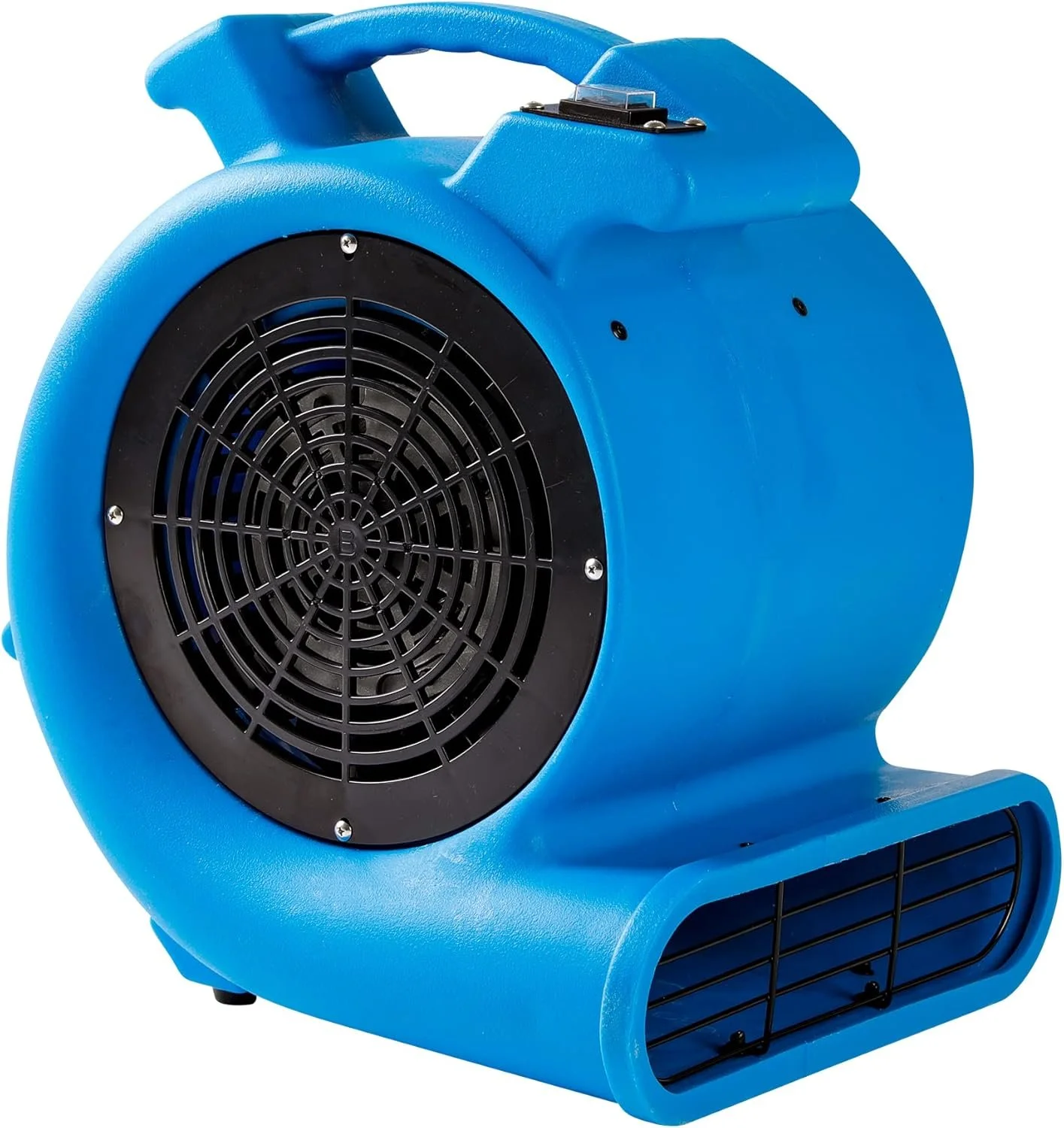
Heat builds quickly in small production spaces. Proper ventilation helps:
Regulate shop temperature
Improve air circulation
Support longer production runs
As production increases, so does heat accumulation. Plan accordingly.
Best for: Small home shops and growing production spaces
Impact: Improves operator endurance and comfort
+ Anti-Fatigue Mats
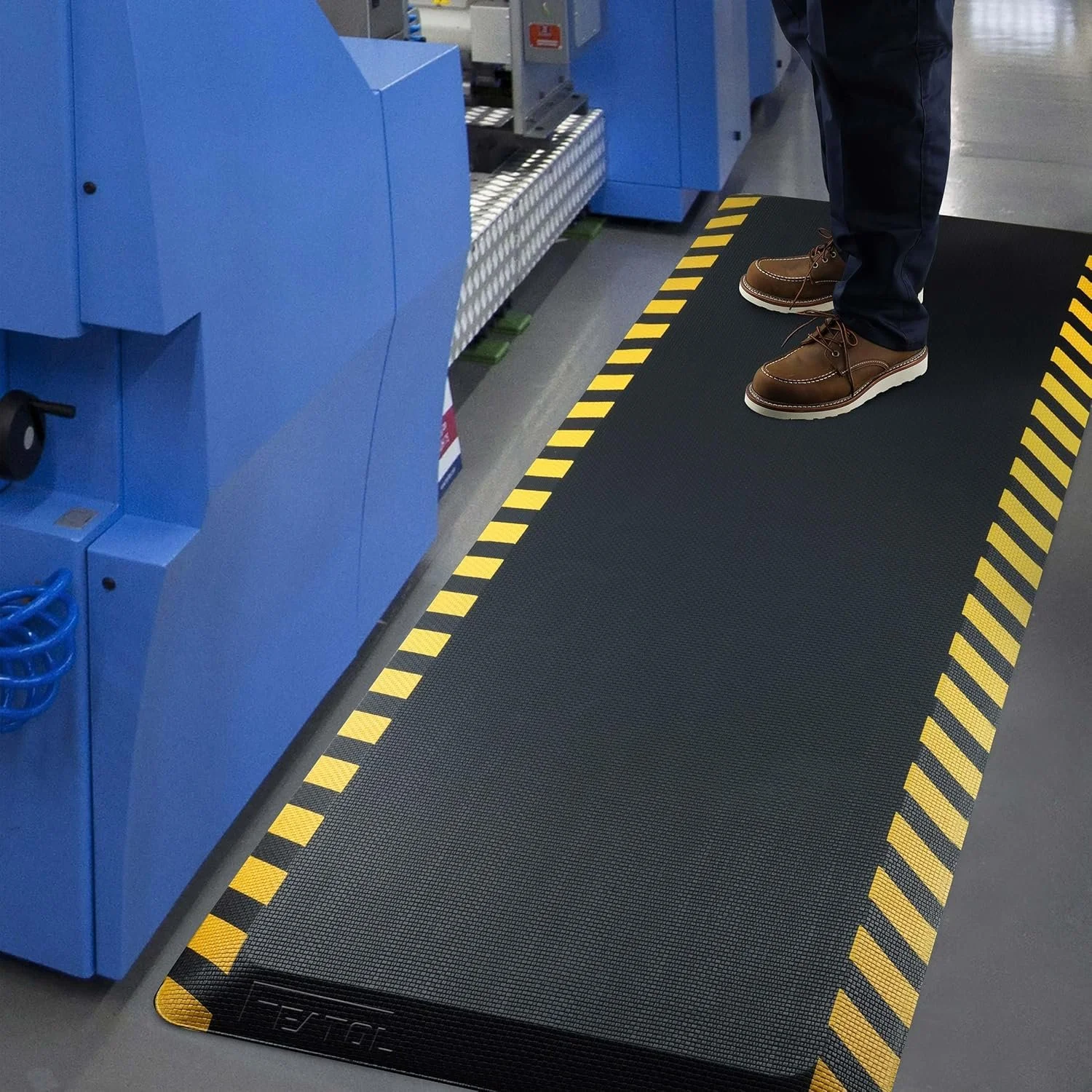
Press operators stand for extended periods. Anti-fatigue mats:
Reduce joint strain
Improve circulation
Decrease lower back fatigue
Support better posture
This is one of the simplest upgrades that directly affects daily comfort. Shops that plan for operator longevity experience:
Lower burnout
Higher consistency
Better morale
Best for: All decorators operating heat presses regularly
Impact: Improves long-term operator health and productivity
Workflow, Staging & Production Efficiency
Organized Systems Keep Production Moving
In most heat transfer shops, the press is the fastest part of the process.
The bottlenecks happen everywhere else.
Garments get misplaced. Transfers get mixed together. Orders stall between staging and pressing. Operators lose time searching for the next item in a run.
Professional decorators design workflows that keep production moving forward.
These tools help create structure around staging, storage, and order management — so the press operator can stay focused on pressing.
+ Utility Cart
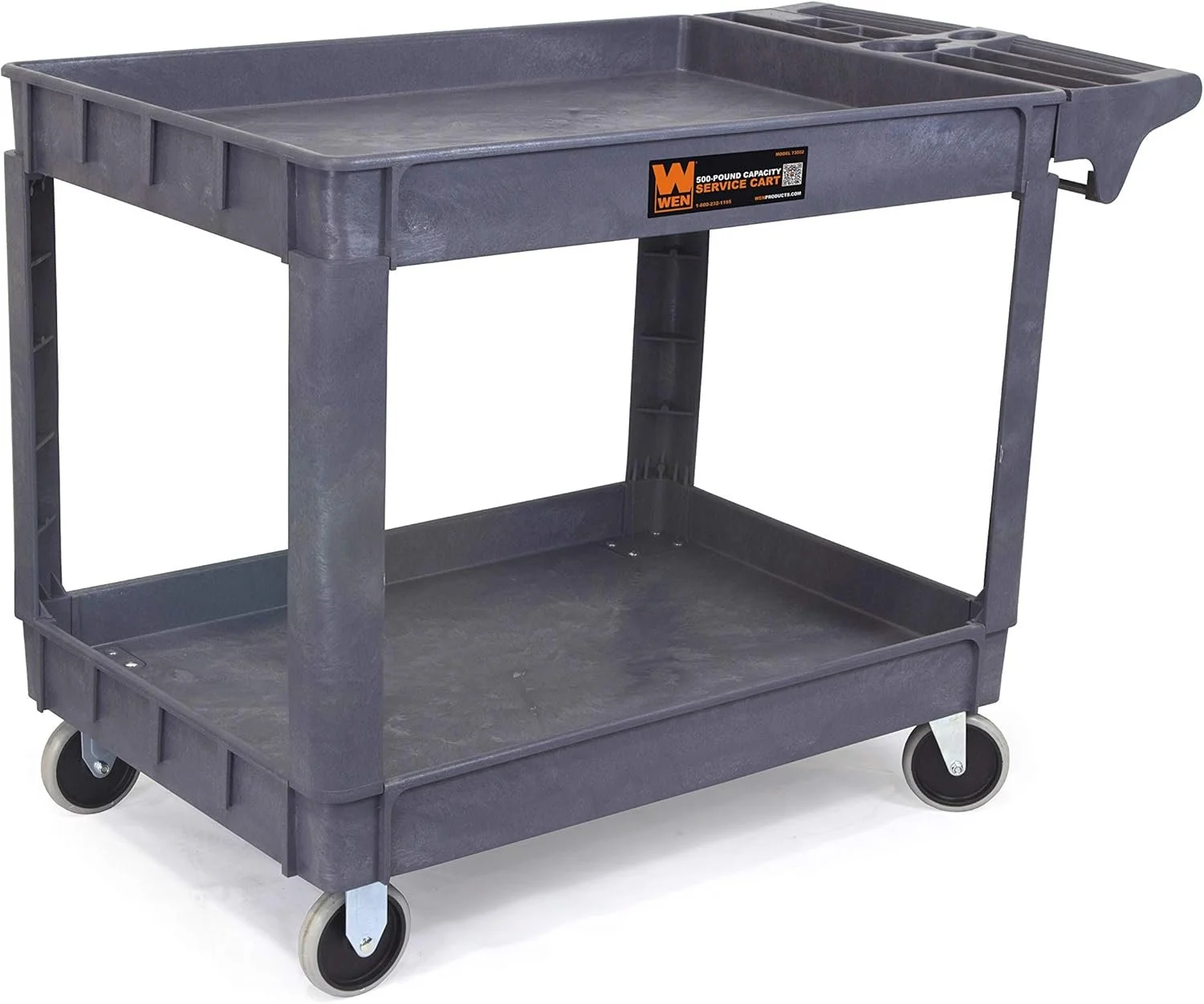
A rolling utility cart becomes a mobile staging station. Decorators use them to:
Move garments between prep and press stations
Stage transfers for upcoming jobs
Organize supplies during production runs
Instead of walking back and forth across the shop, operators can bring the job with them.
Best for: All decorators, especially growing shops
Impact: Reduces wasted movement and improves production flow
+ Foldable Push Cart
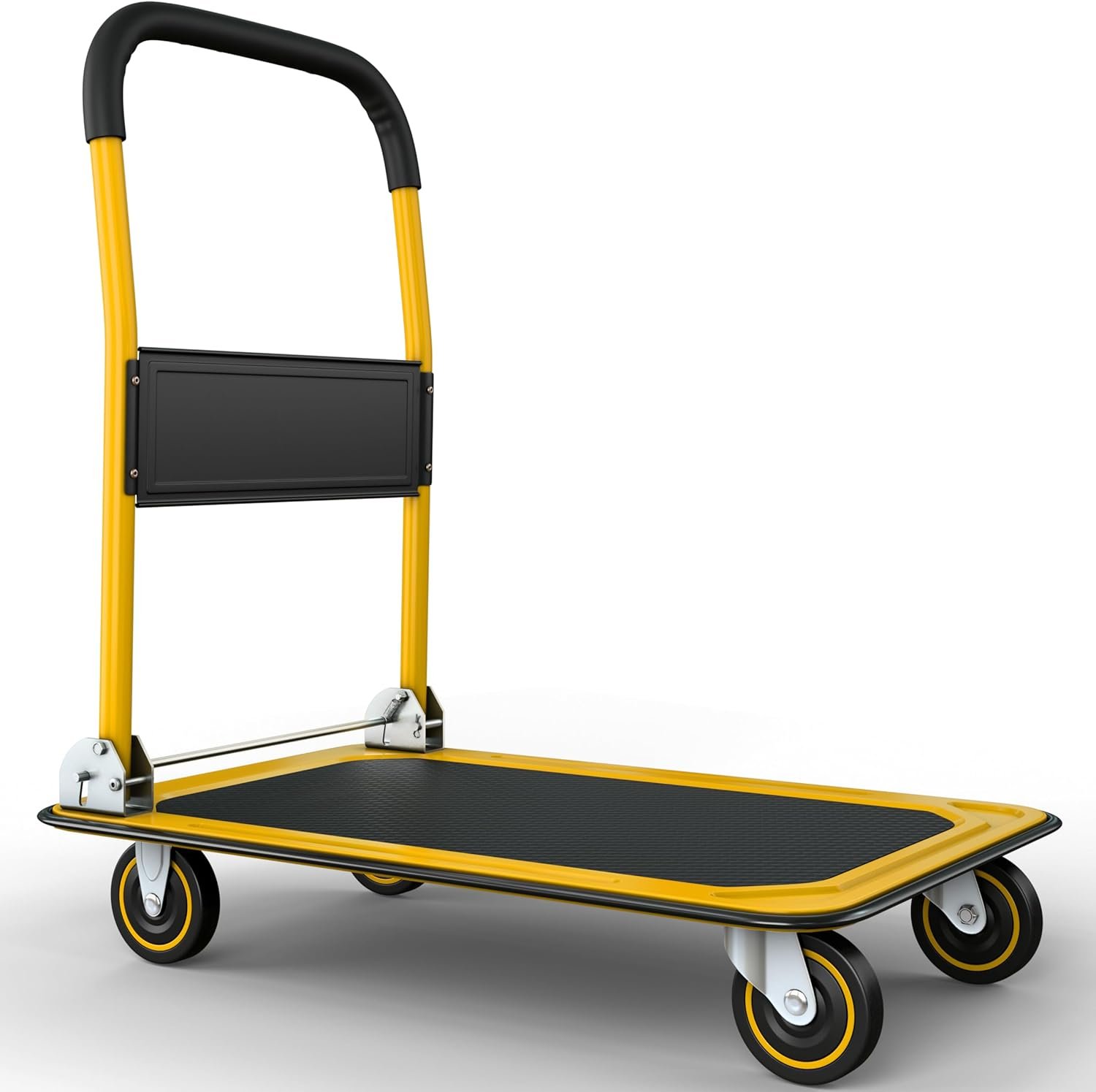
For larger decorated apparel shops or heavier orders, foldable pushcarts make it easier to move bulk garments across the workspace. They’re especially helpful when:
Moving inventory from storage to staging
Transporting completed orders to packing areas
Handling large event or team orders
They also collapse for storage when not in use.
Best for: Shops handling bulk orders or larger production volumes
Impact: Improves efficiency when transporting inventory
+ Storage Containers (Adult Transfer Size)
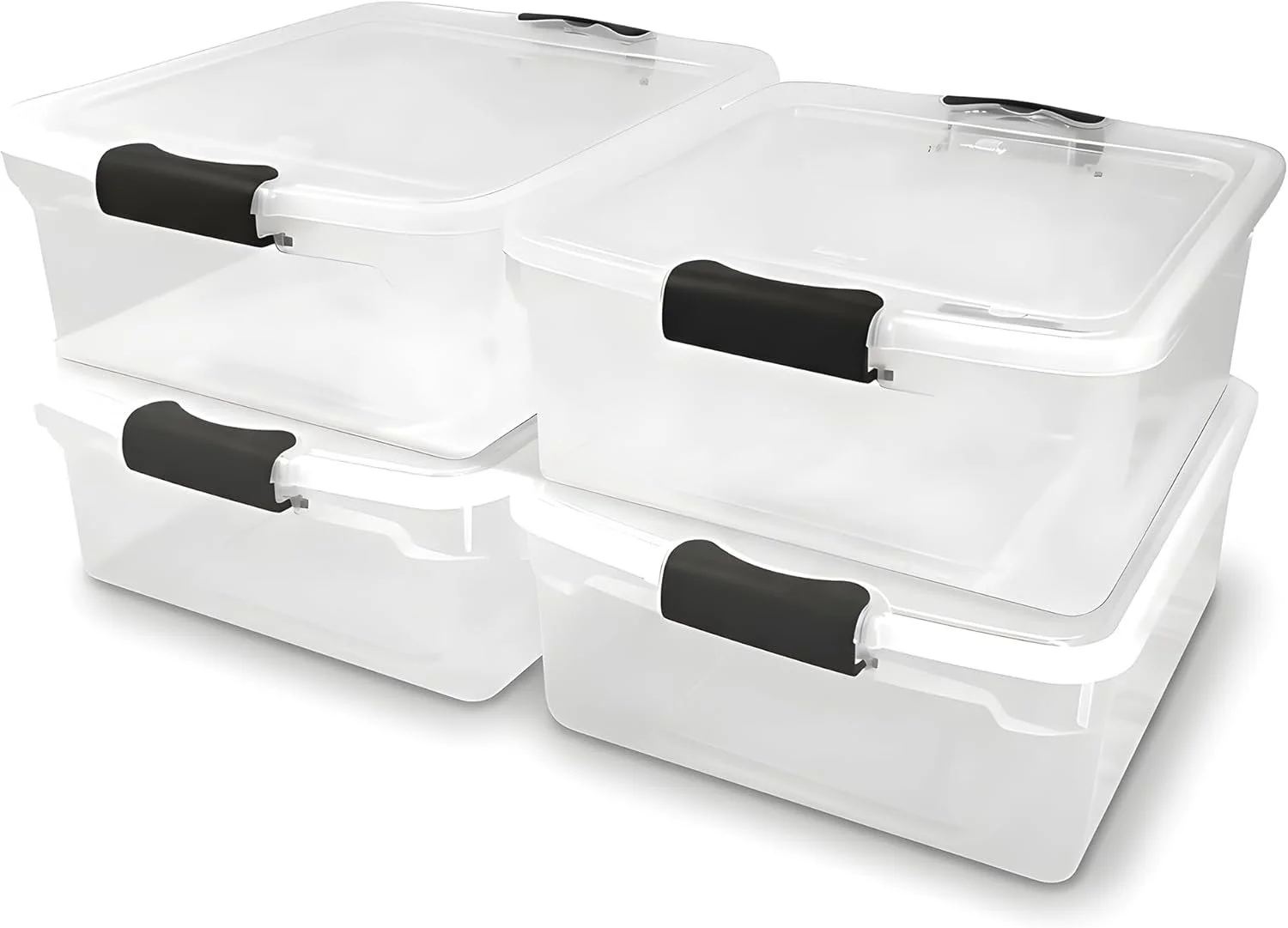
Small storage containers are ideal for organizing standard adult full-chest transfers. They allow decorators to:
Separate designs by order
Keep transfers flat and protected from humidity
Stage jobs ahead of production
Keeping transfers organized before pressing dramatically reduces confusion during busy production periods.
Best for: Organizing standard-size transfer designs
Impact: Improves staging efficiency and order accuracy
+ Storage Containers (Oversize Transfers)
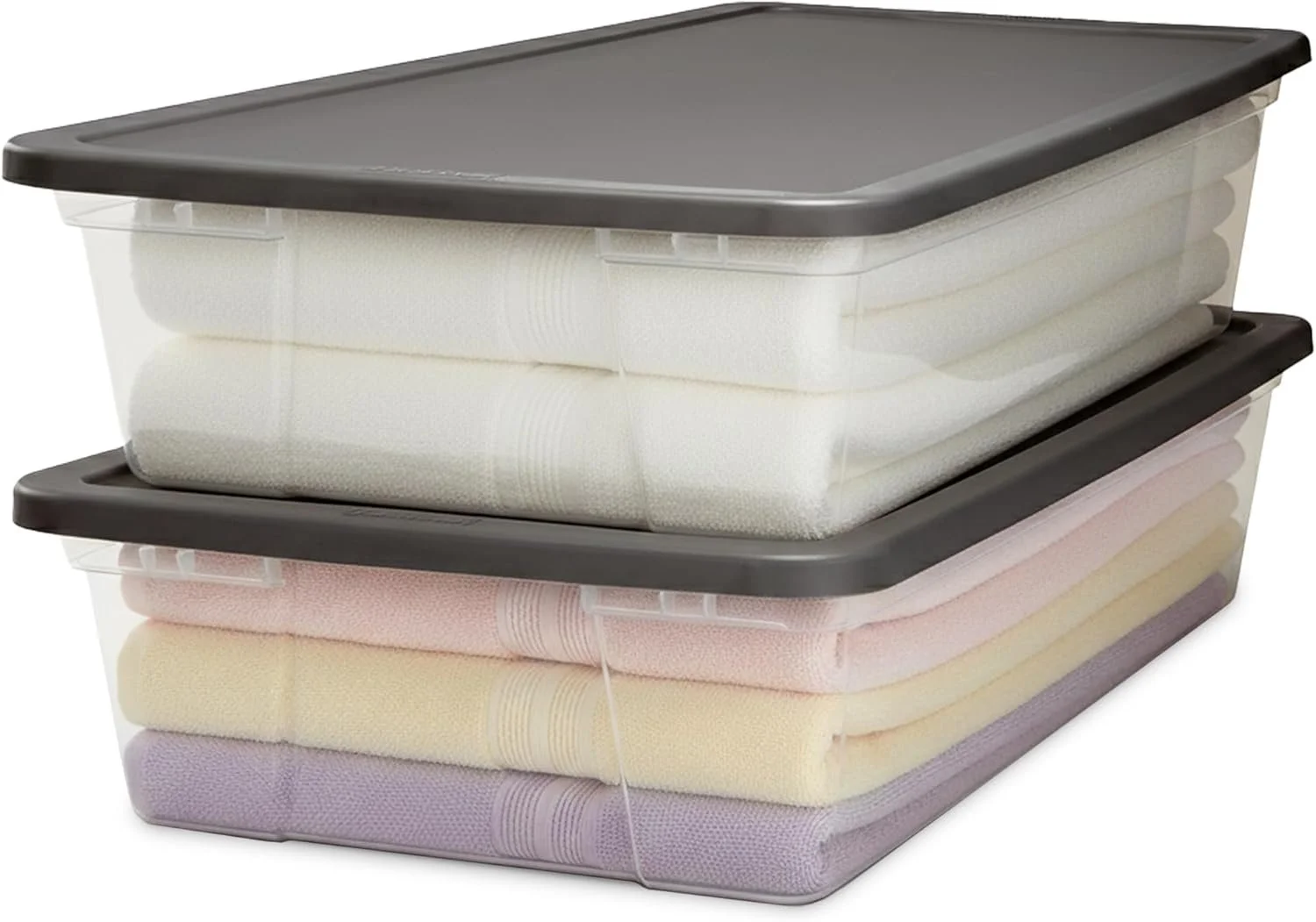
Oversize transfers require larger storage containers to avoid folding, curling, or damaging the carrier sheet. Using appropriately sized containers ensures:
Transfers remain flat
Transfers are protected from humidity
Designs stay separated by job
Oversize prints remain production-ready
This is particularly useful when staging multiple large designs for upcoming runs.
Best for: Decorators working with oversize prints or back designs
Impact: Protects transfers and simplifies job staging
+ Garment Storage Bins
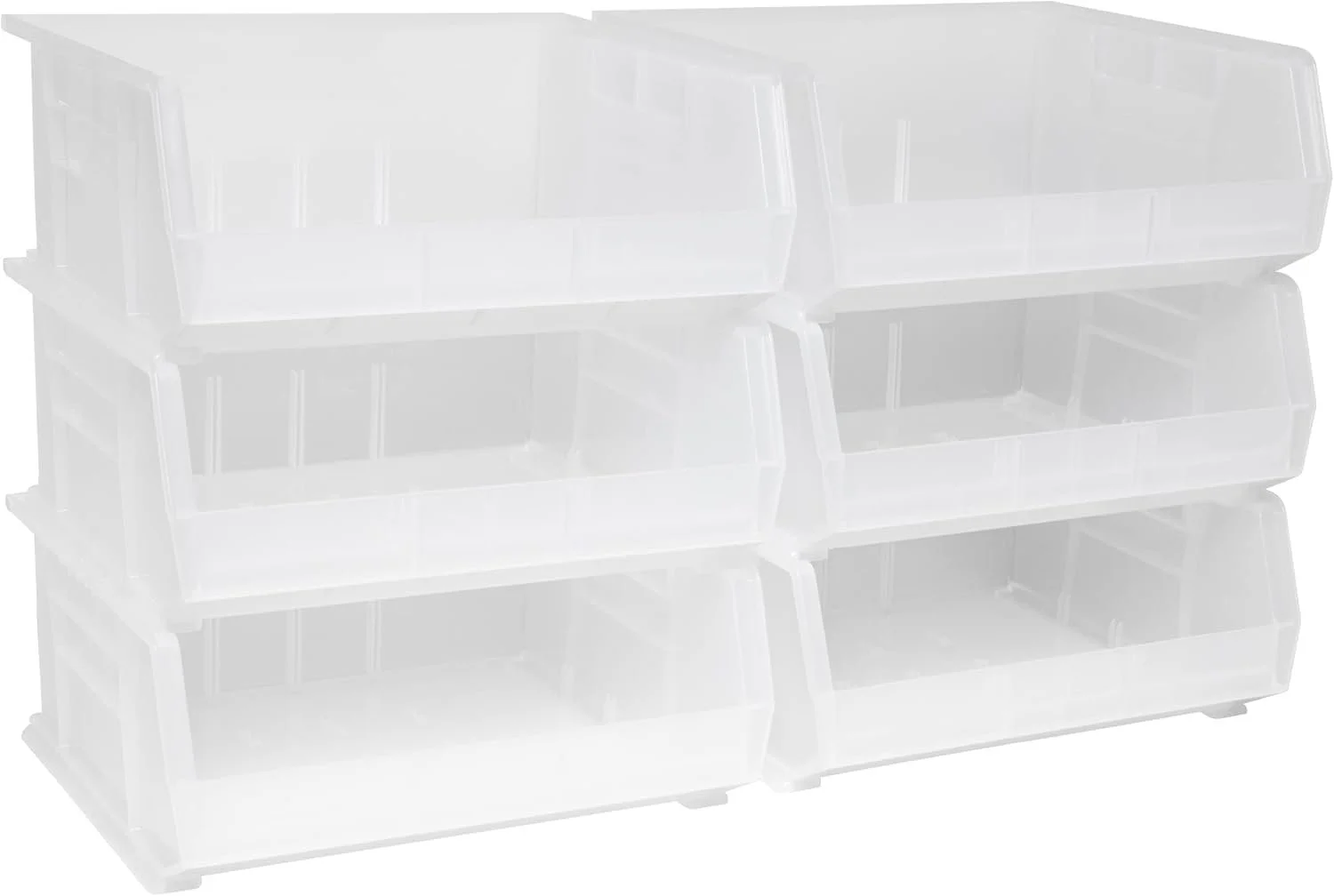
Storage bins are used for organizing blank garments before and after production. They help separate:
Sizes
Colors
Orders
Production stages
Best for: Shops managing multiple garment styles or sizes
Impact: Reduces sorting time and prevents order mix-ups
+ Silica Gel Packs
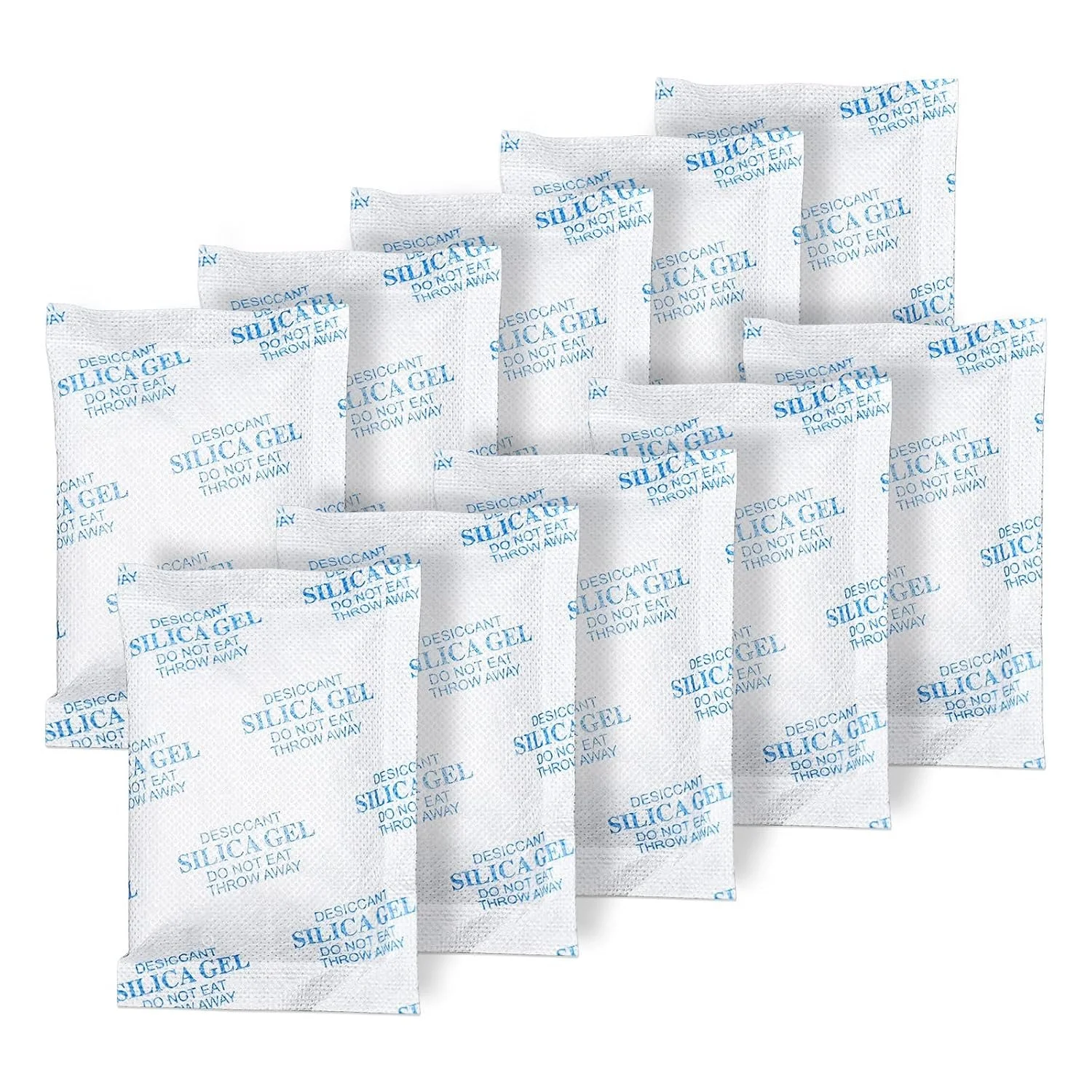
Unused transfers should always be protected from humidity. Moisture in the air can affect carrier sheets and adhesive performance over time. Silica gel packs placed inside transfer storage containers help:
Absorb excess moisture
Maintain stable storage conditions
Protect transfer shelf life
This becomes especially important in humid climates or shops without climate control.
Best for: All decorators storing transfers for extended periods
Impact: Protects transfer quality and shelf life
+ Garment Racks
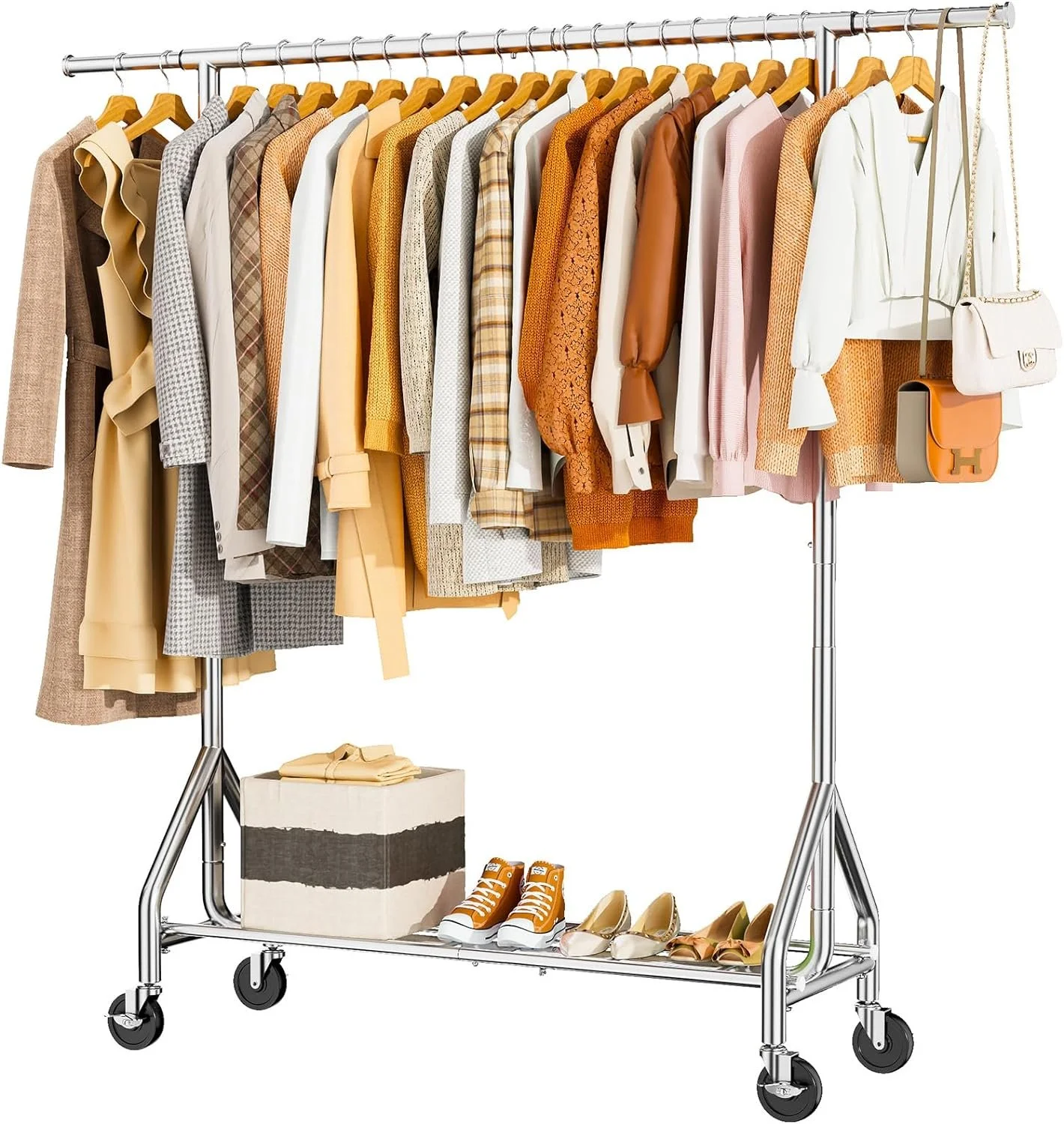
Garment racks aren’t just for storage — they’re powerful showroom tools.
Decorators often use racks to display finished sample pieces for customers, creating a simple in-shop merchandising space. Racks can be used to:
Display showroom pieces for walk-in customers
Present sample designs for sales conversations
Showcase specialty finishes and premium garments
Stage completed orders before packaging
A clean rack of finished garments instantly elevates the professionalism of a shop and makes it easier for customers to browse ideas. Some decorators even rotate seasonal samples on display racks to highlight new designs or product offerings.
Best for: Shops with showroom space or customer walk-ins
Impact: Improves product presentation and supports merchandising conversations
+ Job Ticket Sleeves
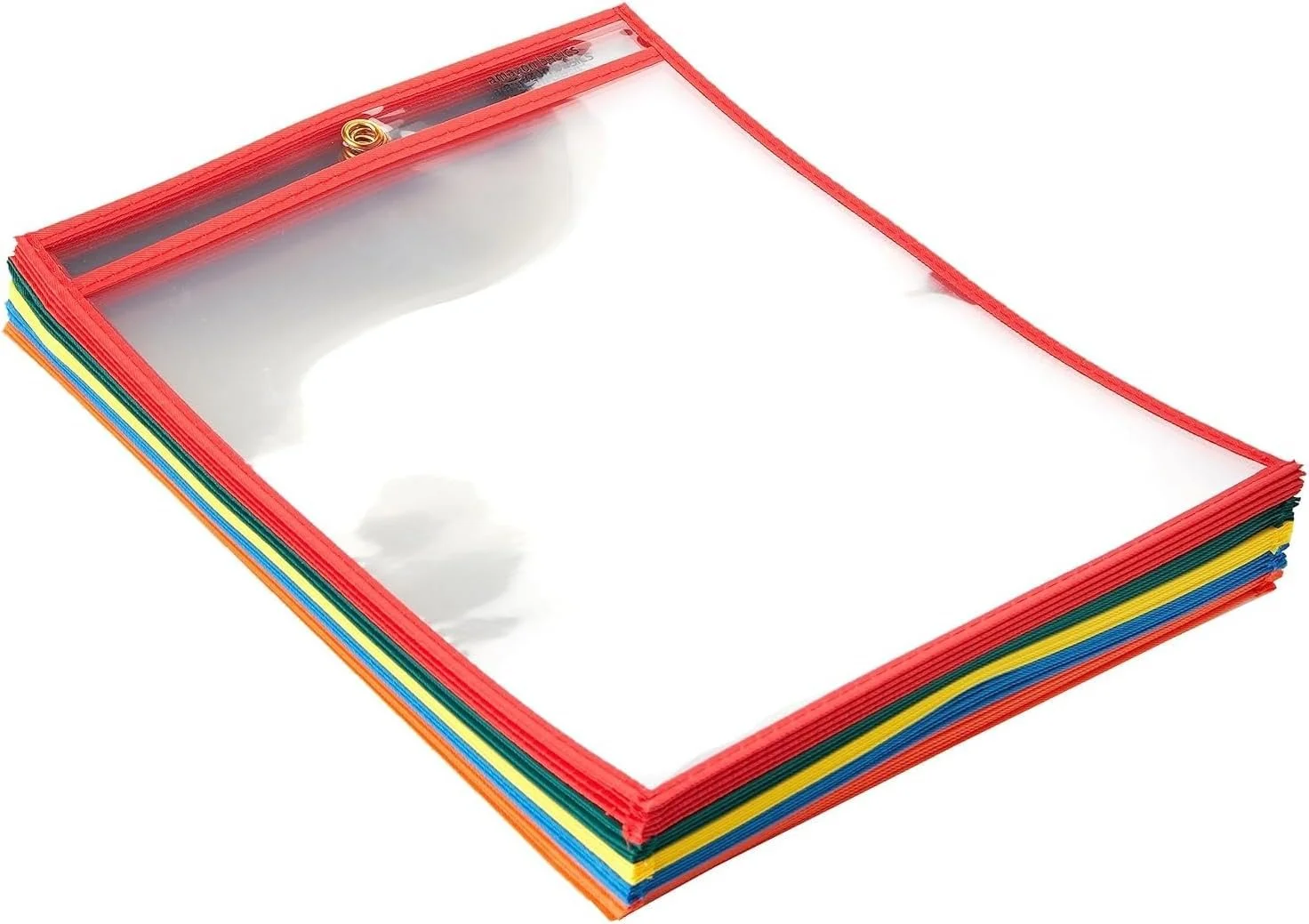
Job ticket sleeves protect order details during production. Color-coded sleeves add another layer of organization by allowing decorators to visually separate:
Rush orders
Completed orders
Orders awaiting garments
Orders ready for shipping
Keeping job details protected and visible reduces communication errors between operators.
Best for: Shops running multiple orders simultaneously
Impact: Improves order tracking and communication
+ Clear Poly Bags
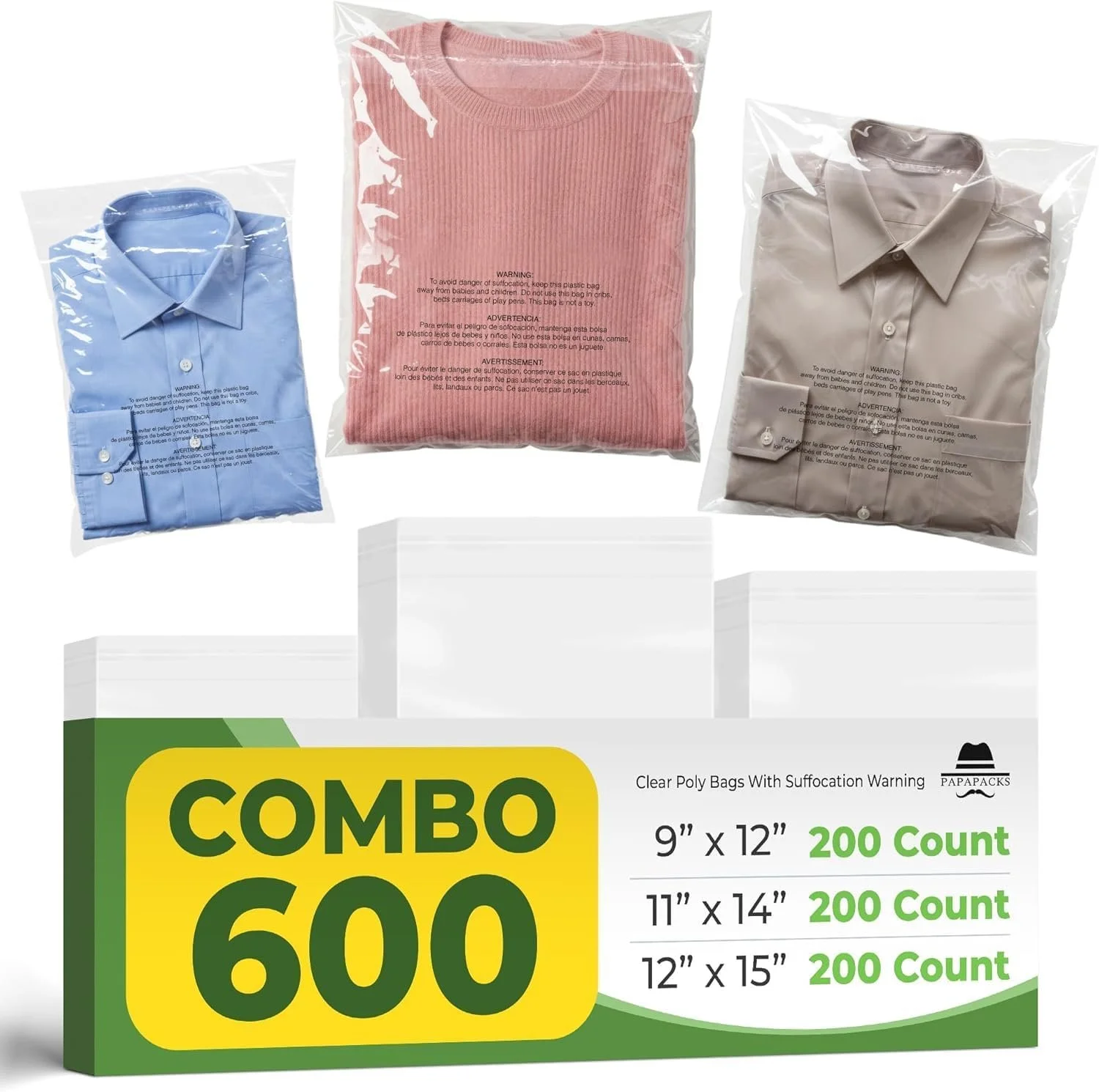
Clear poly bags protect finished garments while keeping designs visible. They are available in a wide range of sizes to accommodate:
T-shirts
Sweatshirts
Hoodies
Oversize apparel
Bagging garments immediately after pressing helps maintain cleanliness and presentation before shipping or delivery.
Best for: All decorators packaging finished orders
Impact: Protects garments and improves presentation
+ Dry Erase Production Boards
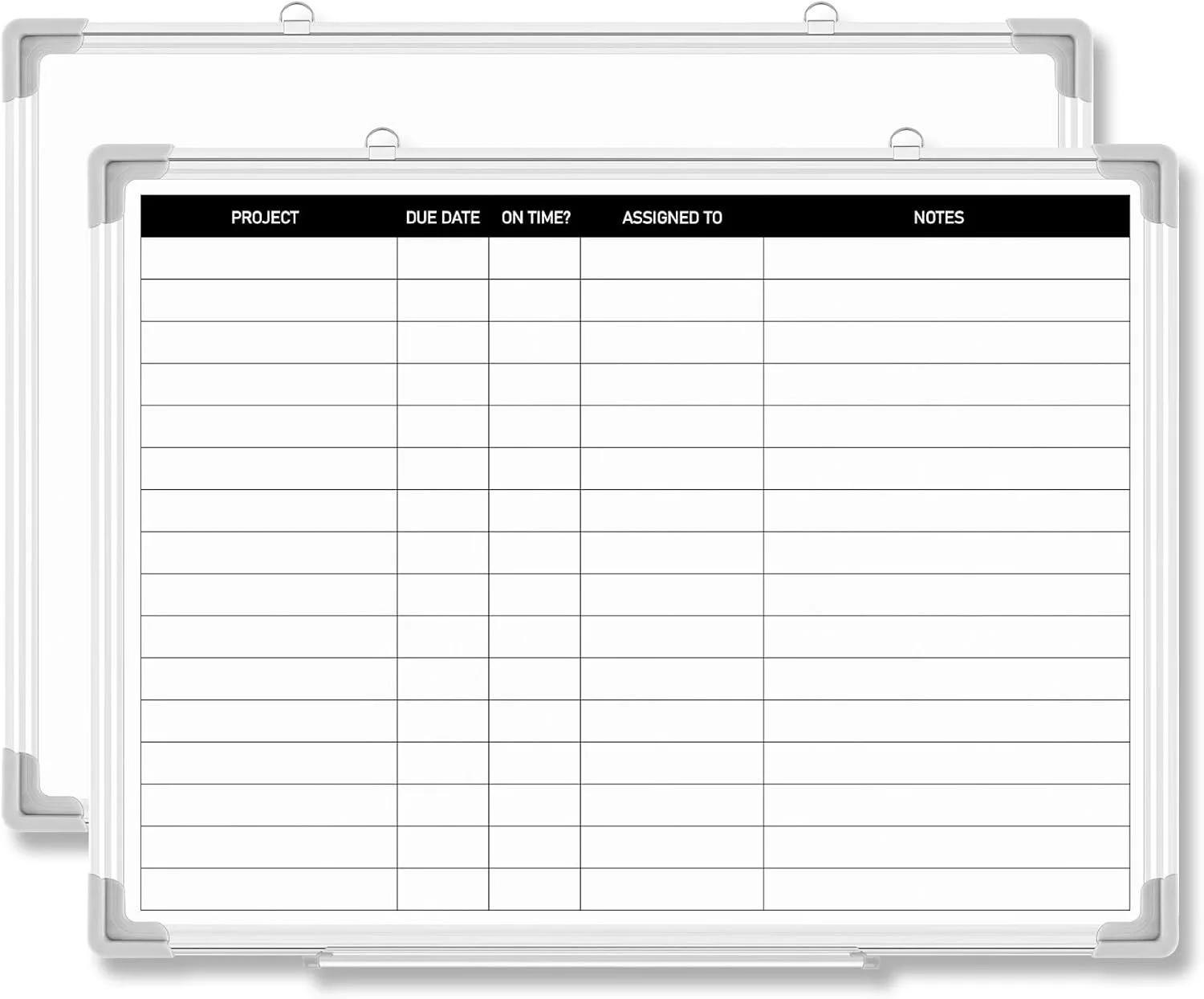
A dry erase production board provides a visual overview of active jobs. Decorators often use them to track:
Orders in production
Priority jobs
Operator assignments
Daily production targets
Small boards work well for home shops. Larger boards support multi-operator environments. Production visibility helps teams stay aligned and reduces missed deadlines.
Best for: All decorators managing multiple jobs
Impact: Improves scheduling awareness and production coordination
+ Folding Table
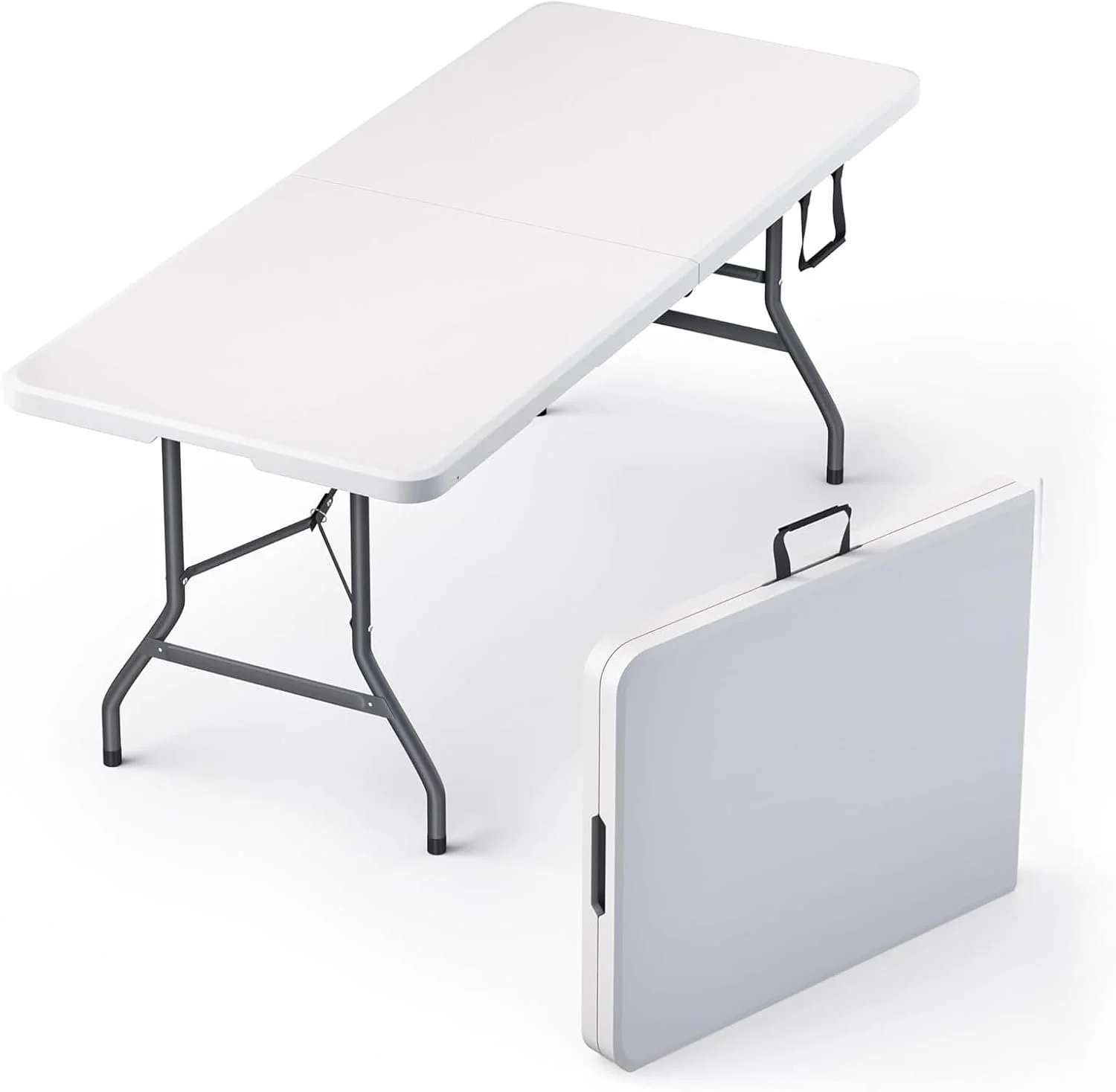
A dedicated folding table creates a clean space for finishing garments before packaging. It provides room for:
Folding shirts
Quality checks
Applying size stickers or tags
Separating folding and packing from the press area keeps production stations uncluttered.
Best for: All decorators packaging finished orders
Impact: Improves presentation and workflow separation
Shipping & Fulfillment
The Final Step in the Production Process
Printing the garment is only part of the job.
Every decorated order eventually needs to be folded, packaged, and delivered — whether it’s being shipped across the country or handed directly to a customer.
Efficient fulfillment systems help decorators:
Protect finished garments
Maintain professional presentation
Ship orders quickly and accurately
When packaging is organized and consistent, the final stage of production becomes just as smooth as the pressing process.
+ Shipping Scale
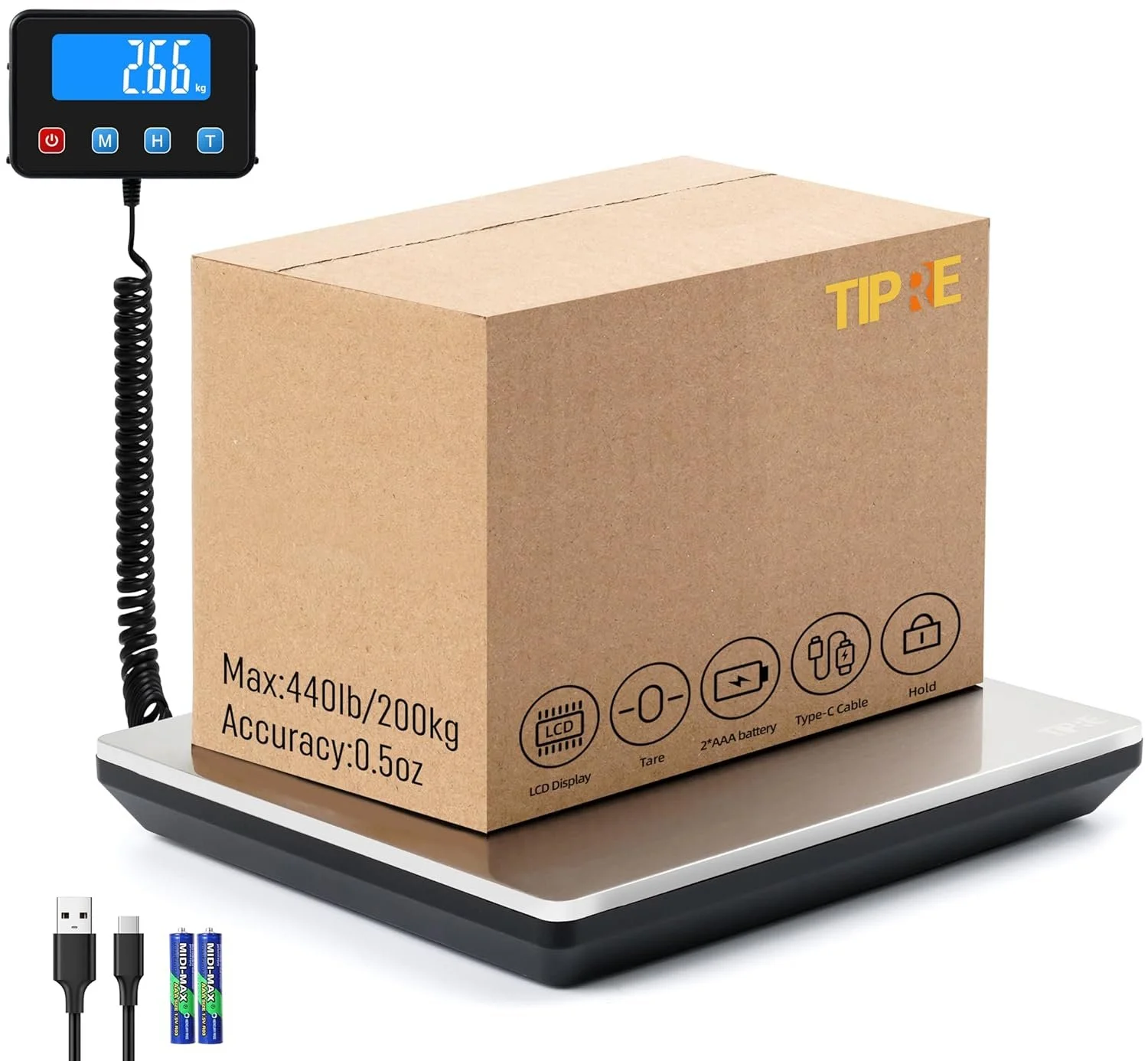
A reliable shipping scale eliminates guesswork when calculating postage. It allows decorators to:
Accurately weigh orders before purchasing labels
Avoid overpaying for shipping
Prevent underpaid postage delays
As order volume increases, a dedicated scale quickly becomes a standard part of the packing station.
Best for: All decorators shipping orders
Impact: Improves shipping accuracy and reduces postage errors
+ Packing Tape Dispenser
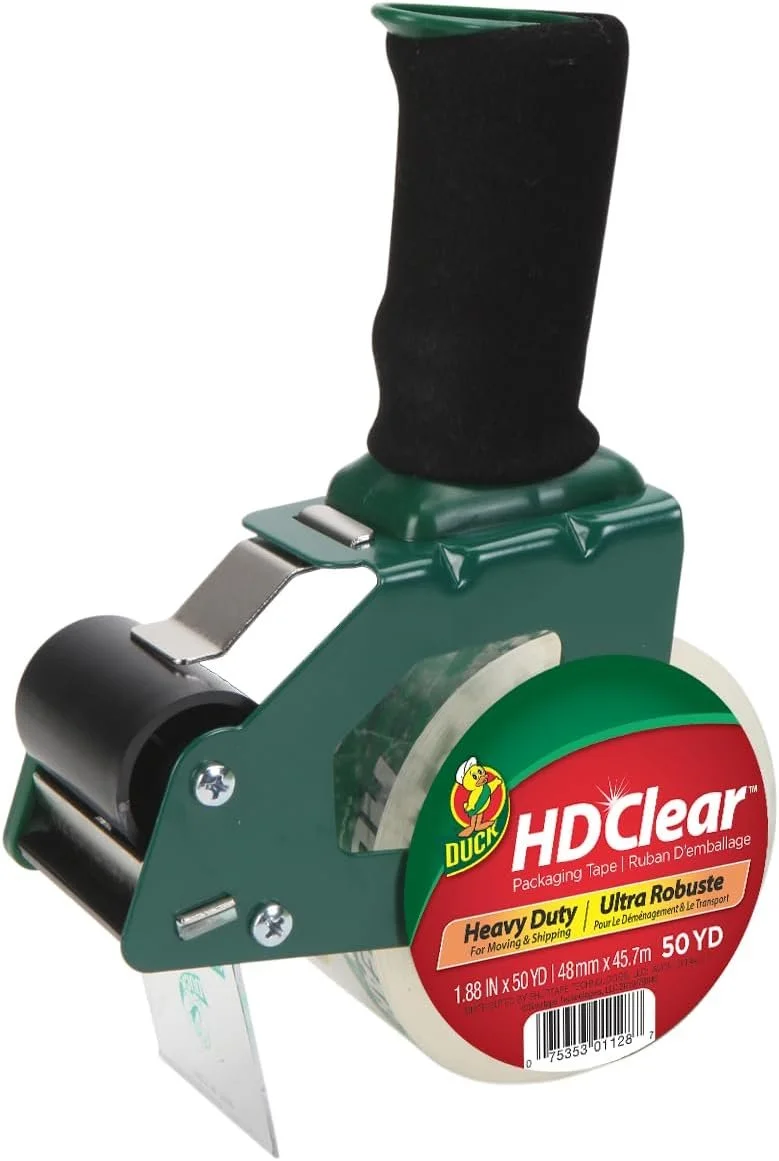
A quality tape dispenser speeds up box packing and reduces frustration during fulfillment. Compared to handheld tape rolls, a dispenser:
Applies tape more cleanly
Improves packing speed
Reduces wasted tape
It’s a simple upgrade that makes the packing station far more efficient.
Best for: All decorators packaging boxes
Impact: Improves packing speed and consistency
+ Packing Tape
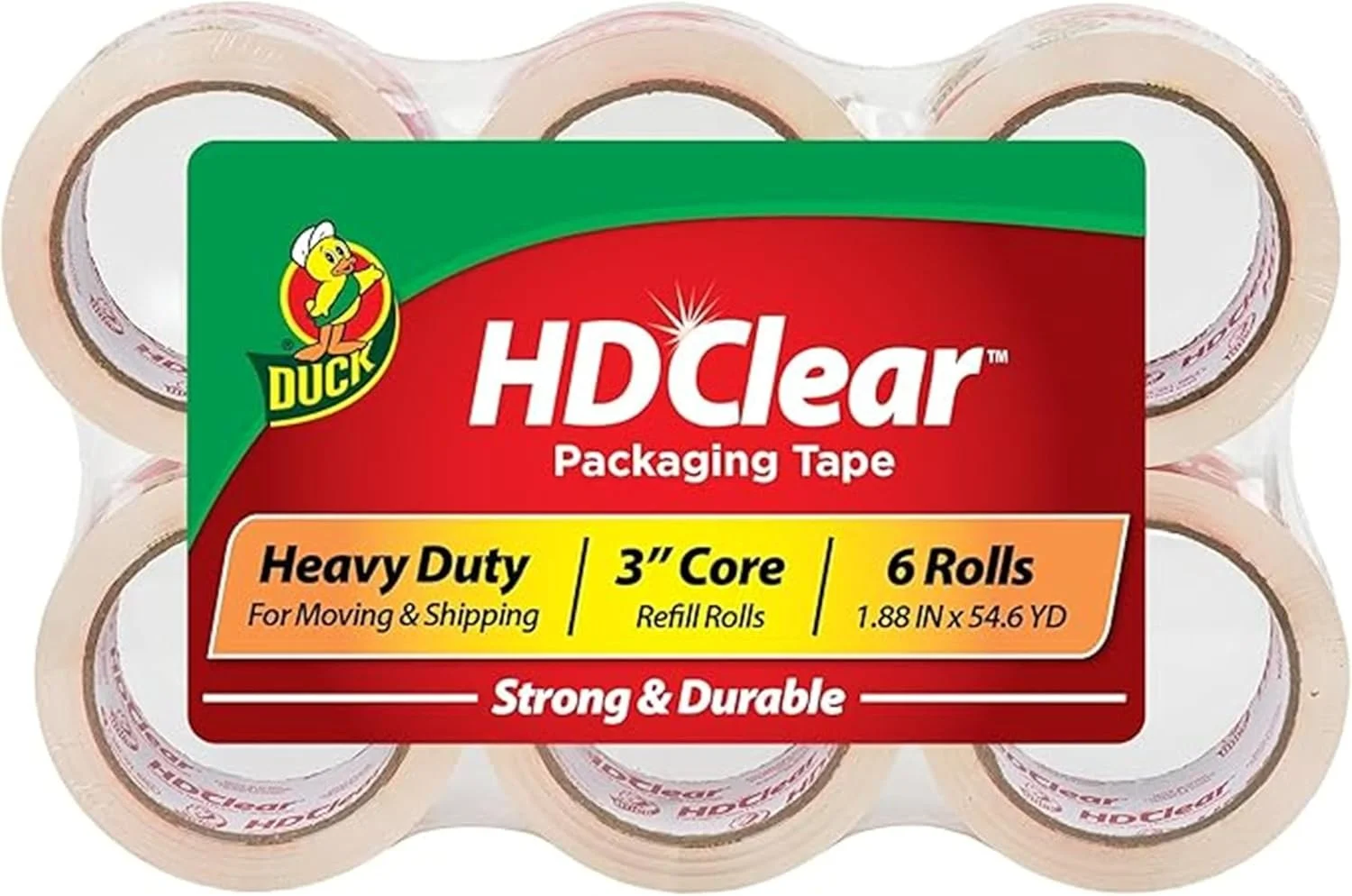
Strong packing tape protects shipments during transit.
Quality tape ensures boxes stay sealed throughout handling and delivery. Using consistent tape application also creates a more professional-looking package.
Many decorators eventually move toward branded tape, but a reliable standard tape is the foundation.
Best for: All decorators shipping packages
Impact: Protects shipments and improves package durability
+ Poly Mailers
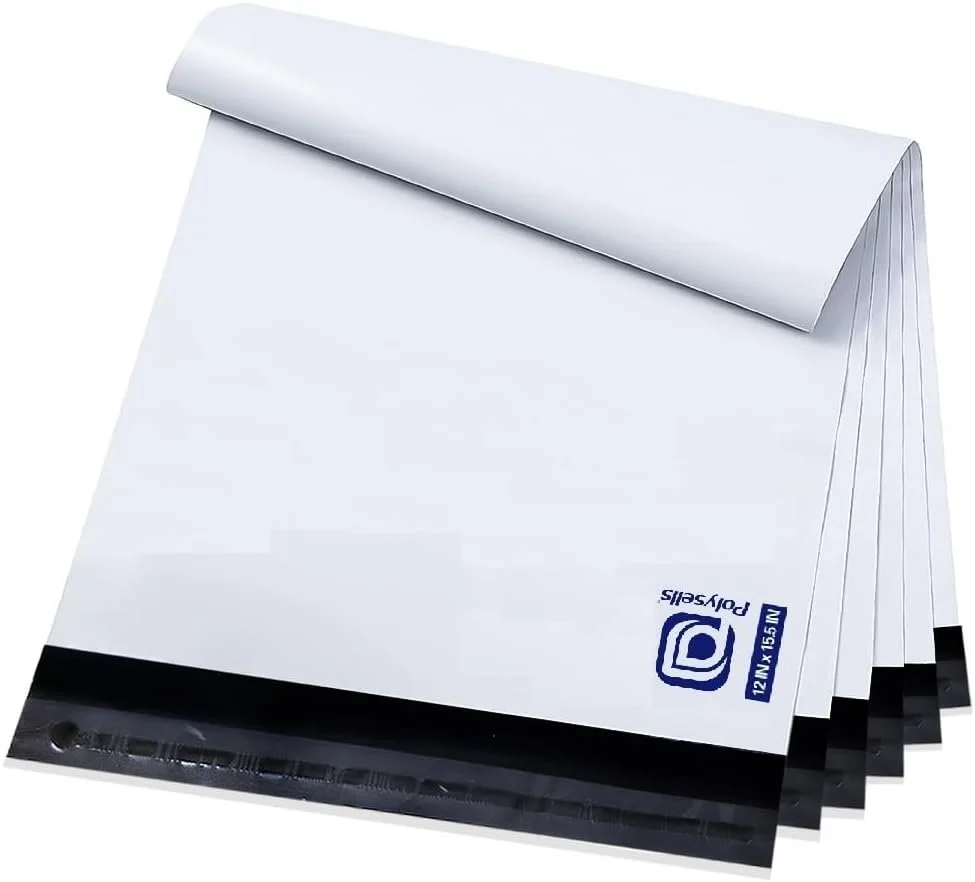
Poly mailers are one of the most common and cost-effective ways to ship decorated apparel. They are:
Lightweight
Durable
Moisture resistant
Easy to store in bulk
Mailers come in a wide range of sizes to accommodate different garment types, including t-shirts, long sleeves, sweatshirts, and hoodies.
Choosing the correct mailer size helps prevent excessive compression and protects the garment during transit. Smaller orders can often ship securely in a single mailer, while larger or bulkier orders may require boxes instead.
Keeping multiple mailer sizes on hand allows decorators to match packaging to the order while controlling shipping costs.
Best for: All decorators shipping apparel orders
Impact: Reduces shipping cost while protecting garments during transit
+ Kraft Paper
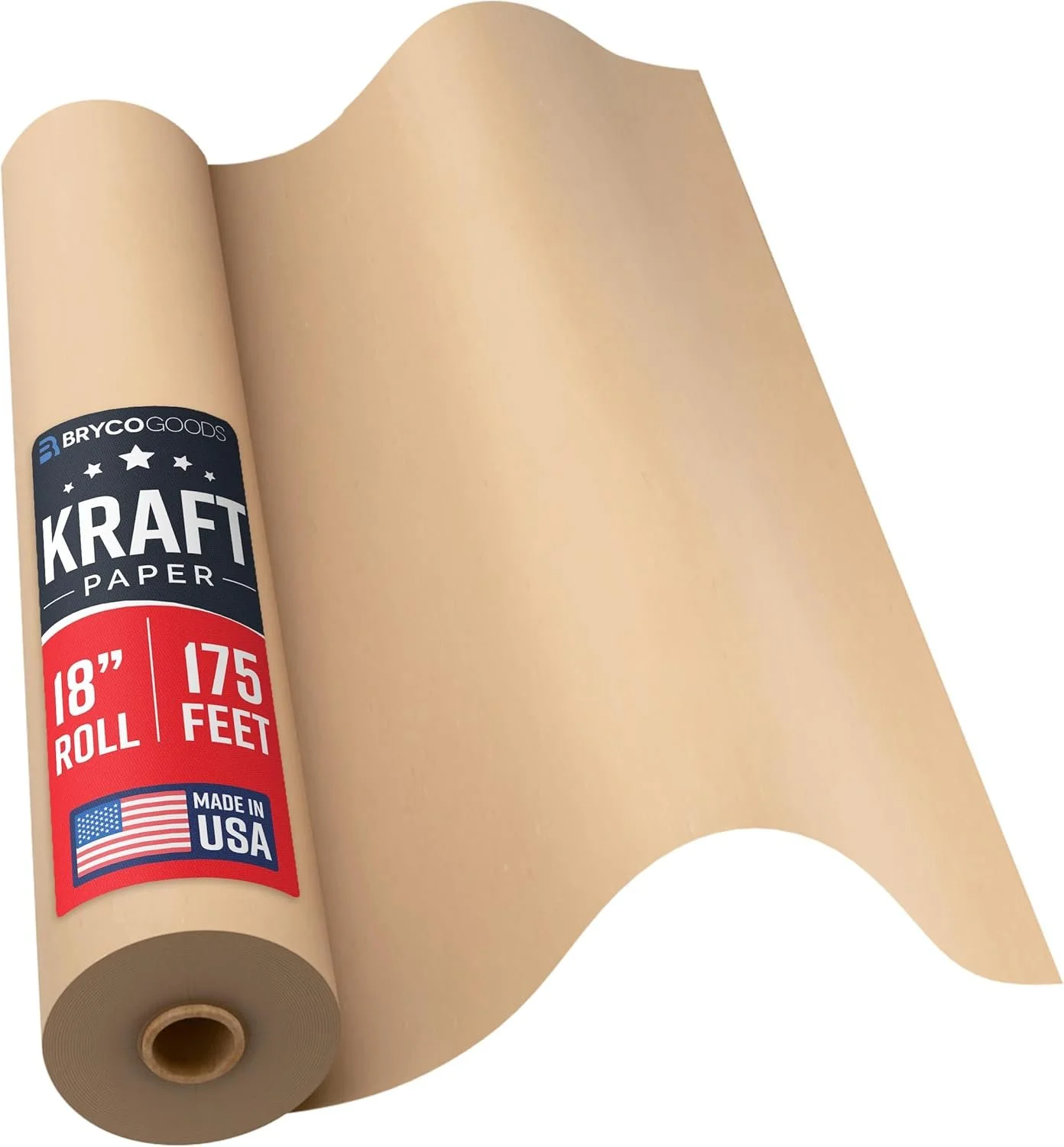
Kraft paper provides protective padding when shipping garments in boxes. It can be used to:
Fill empty space in packaging
Protect folded garments
Prevent movement during transit
For larger or multi-item orders, kraft paper helps keep garments organized inside the box.
Best for: Box shipments and multi-garment orders
Impact: Protects garments and stabilizes packages
+ Corrugated Boxes
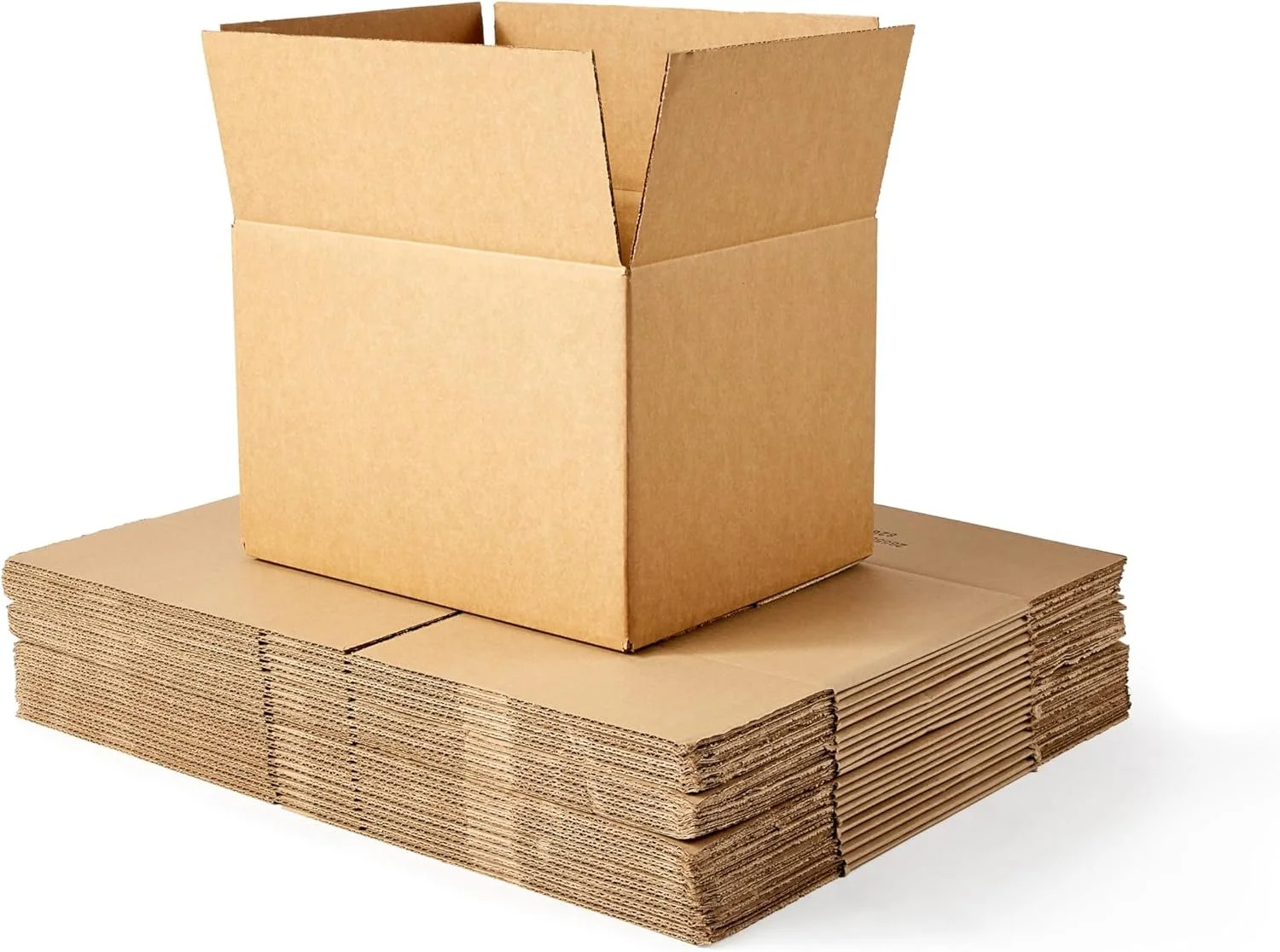
Boxes are essential when shipping larger orders or structured items. They provide:
Better protection for multiple garments
Improved stacking stability during shipping
A more secure option for bulk orders
Decorators often keep multiple box sizes on hand to match different order types.
Best for: Multi-item shipments and bulk orders
Impact: Protects orders and improves shipping reliability
+ Shirt Folding Board
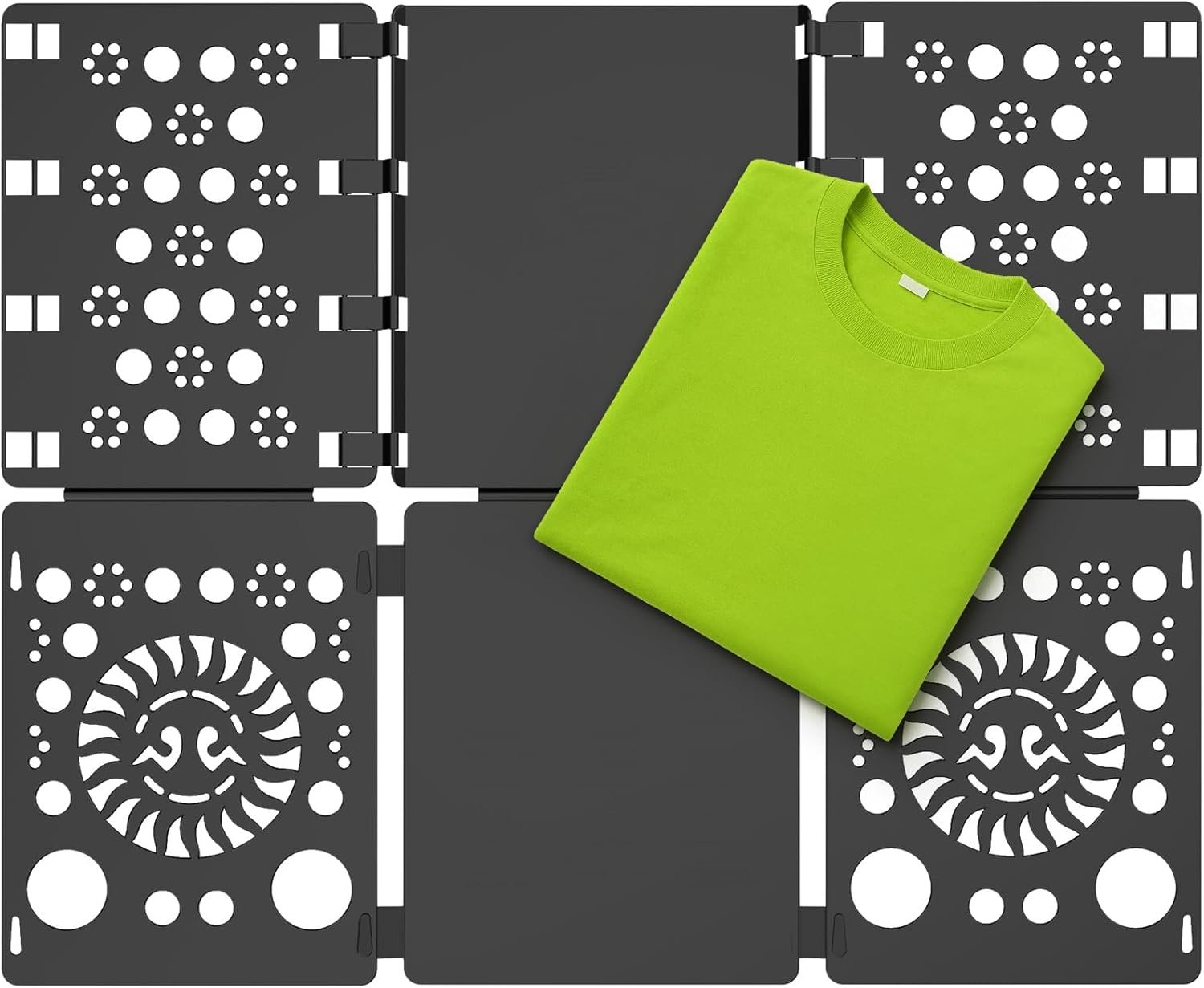
A folding board helps decorators create consistently folded garments for packaging. This tool:
Standardizes fold size
Improves packaging presentation
Speeds up the folding process
Cleanly folded garments create a more polished unboxing experience for customers.
Best for: All decorators packaging finished garments
Impact: Improves presentation and folding efficiency
+ Apparel Size Stickers
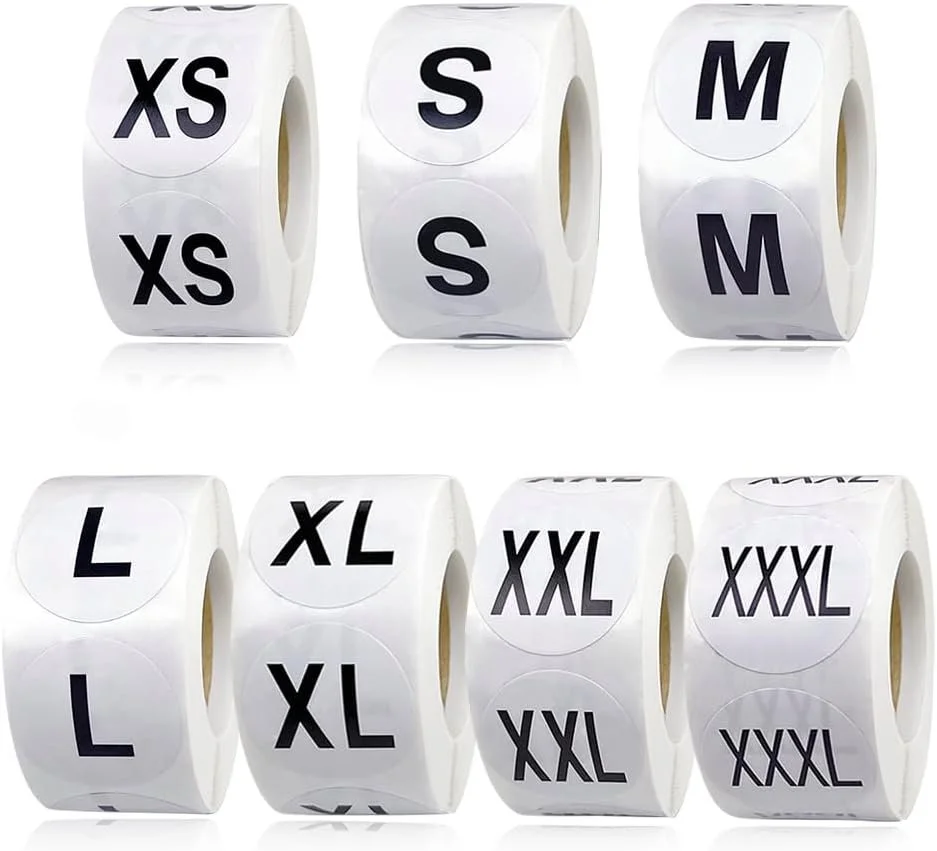
Size stickers are applied to folded garments so customers can easily identify sizes without unfolding each item. They are especially helpful when:
Packaging multi-size orders
Preparing retail-style merchandise
Shipping team or event orders
A simple detail that saves customers time and frustration.
Best for: Orders containing multiple sizes
Impact: Improves organization and customer experience
+ Tagging Gun
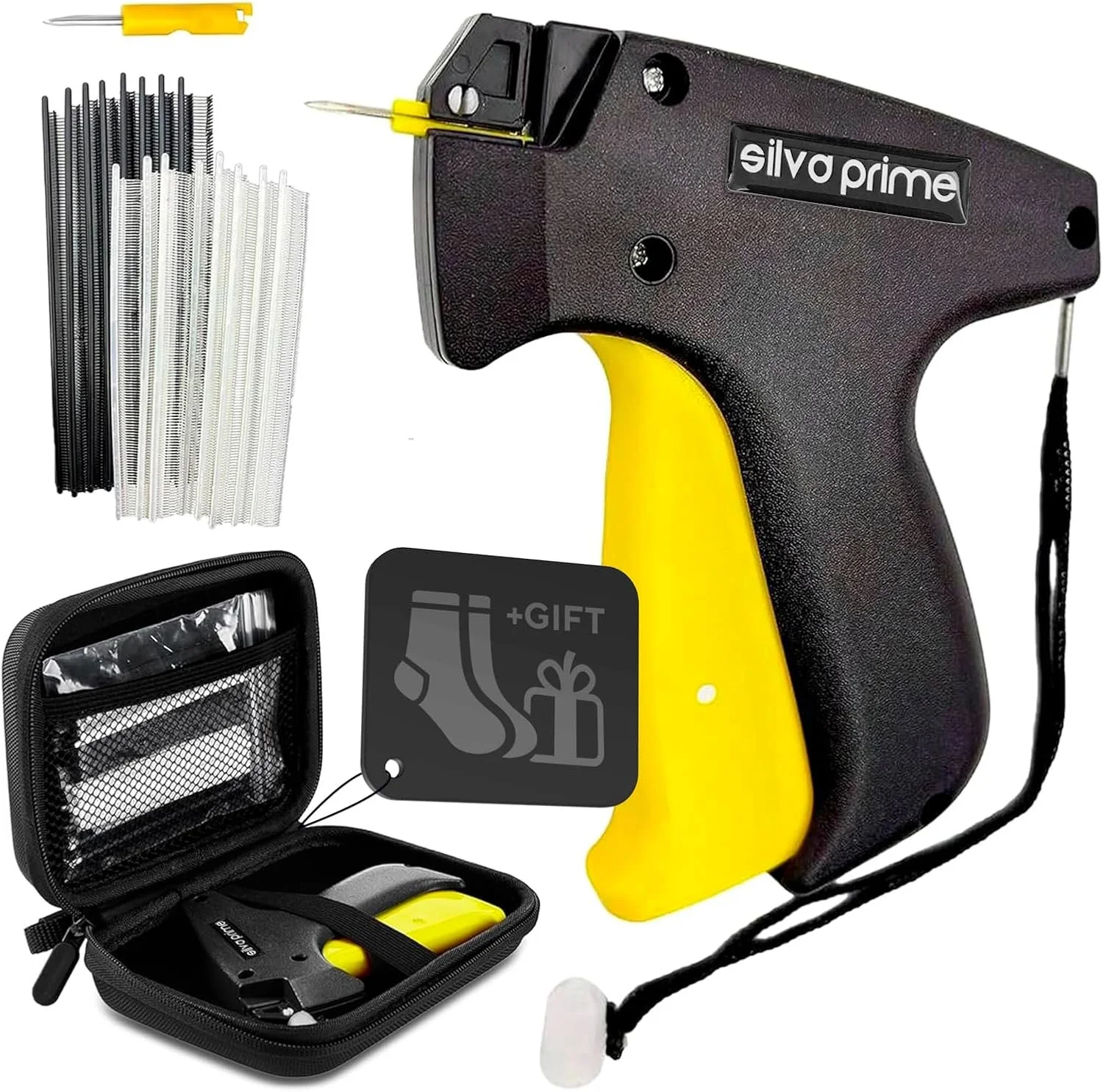
Tagging guns allow decorators to attach hang tags to finished garments. This is particularly useful when:
Preparing retail merchandise
Producing branded apparel
Creating showroom-ready samples
Adding hang tags instantly elevates the perceived professionalism of finished pieces.
Best for: Retail-focused decorators and branded merchandise
Impact: Enhances presentation and retail readiness
Photography Essentials
Good Photos Sell Better Merch
Most decorators spend hours perfecting their prints — but only a few seconds photographing the final product.
In today’s market, the way a garment is presented visually often determines whether it sells. Clean, well-lit photos make designs look more professional, more retail-ready, and more valuable to customers.
The good news is that you don’t need a full photography studio to create great product photos. With a few simple tools, decorators can build a small, reliable photo setup right inside their shop.
These tools help create consistent images for social media, online stores, catalogs, and customer approvals.
+ Backdrop Stand
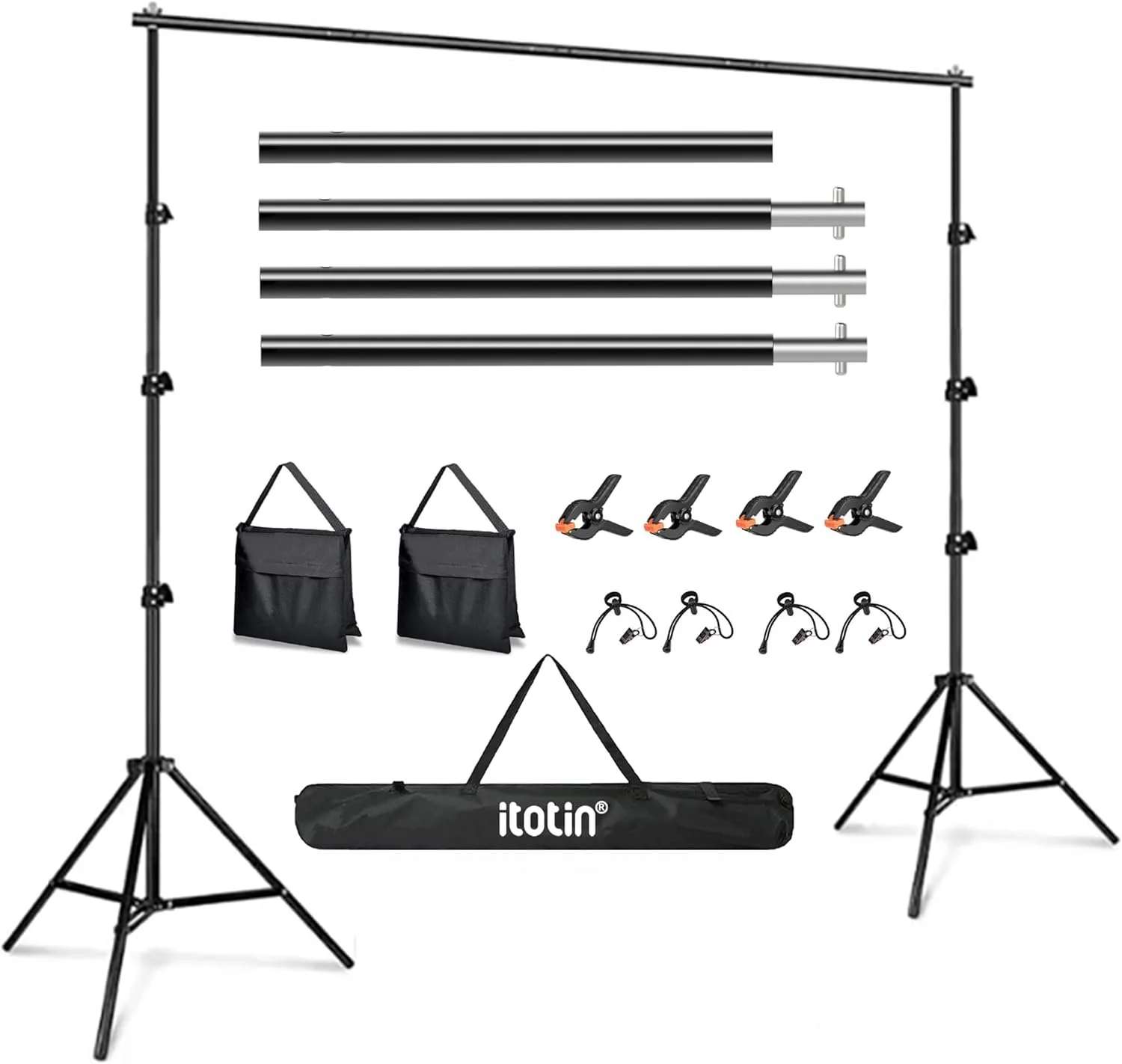
A backdrop stand creates a simple and flexible photography setup. It allows decorators to quickly hang background materials for product shoots without permanently dedicating space to a studio area. Backdrop stands can be adjusted for:
Hanging garments
Flat lay photography
Lifestyle-style product shots
Because they’re portable, the setup can easily be stored when not in use.
Best for: All decorators photographing garments for marketing or product listings
Impact: Creates a clean, consistent background for product photos
+ Backdrop
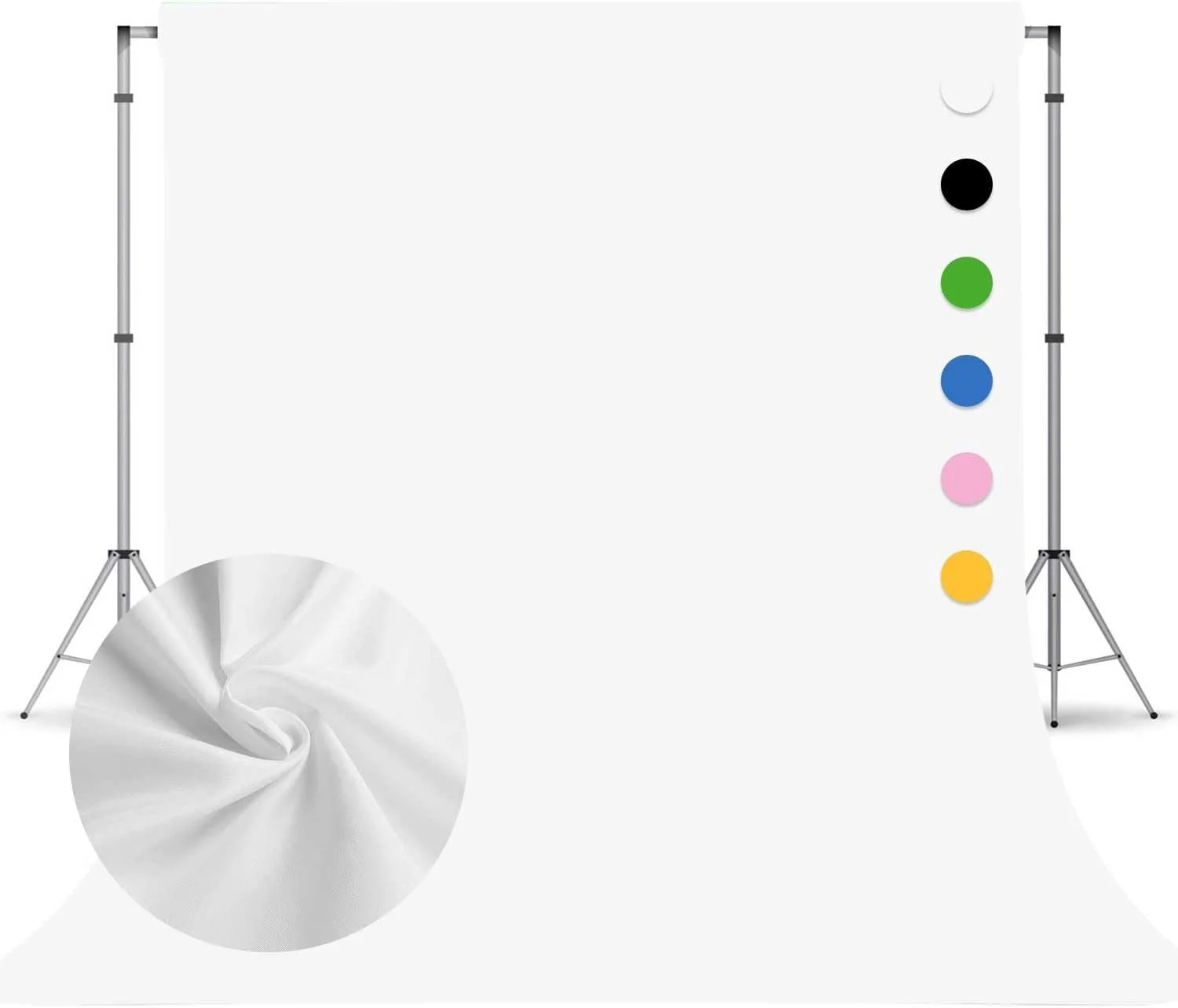
The backdrop itself plays a big role in how the garment appears in photos. Neutral backgrounds help the design stand out and reduce distractions in the image. Common choices include:
White backgrounds for clean product listings
Gray or neutral tones for lifestyle-style merch photos
Textured backgrounds for creative branding
Keeping backgrounds simple helps maintain focus on the design.
Best for: Decorators creating product listings or social media content
Impact: Improves visual clarity and product presentation
+ Lighting Kit
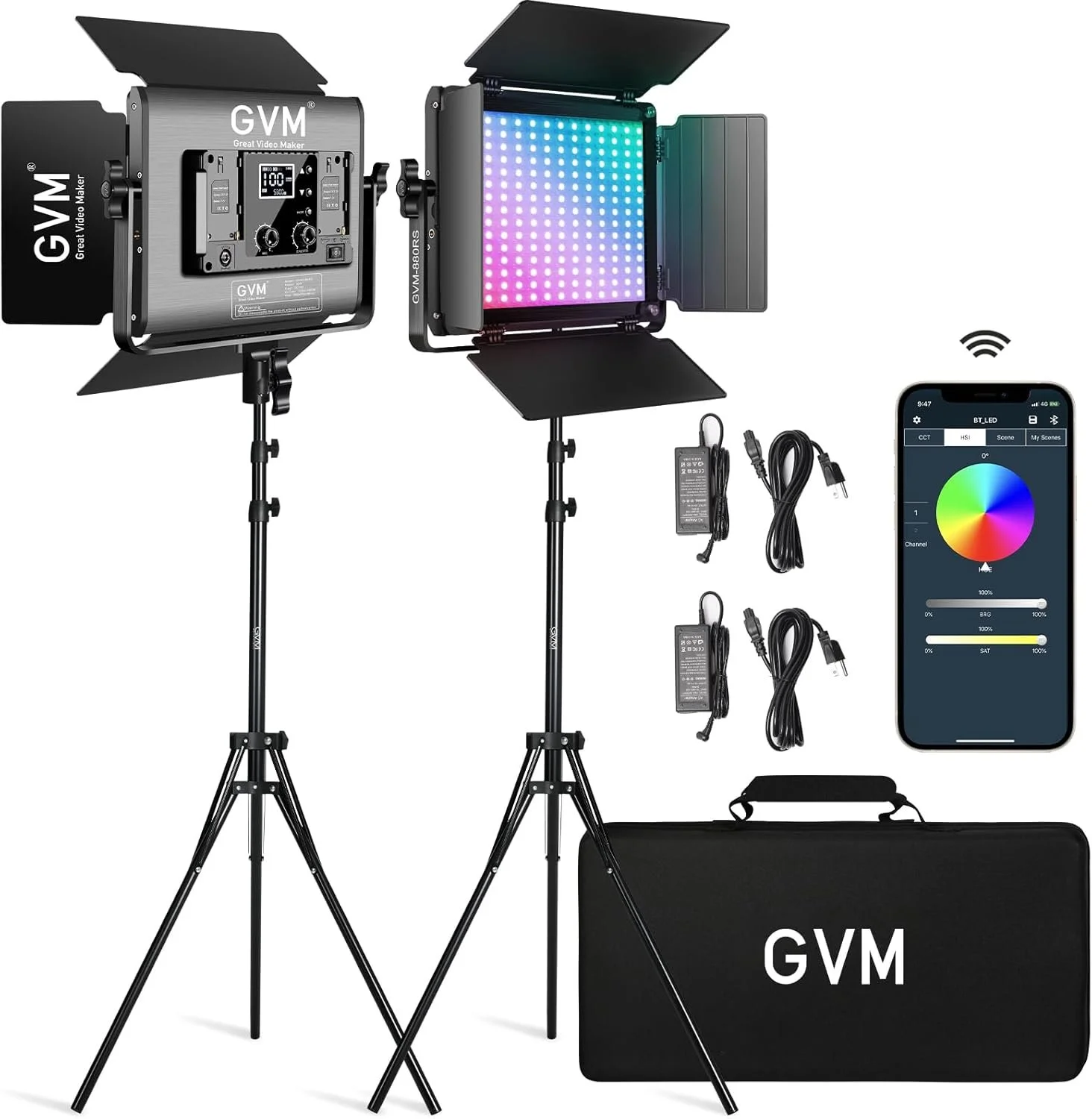
Lighting is the single biggest factor that determines photo quality. Even the best design can look dull or uneven under poor lighting. A basic lighting kit helps eliminate shadows and ensures the garment is evenly illuminated. Proper lighting allows decorators to:
Show true garment colors
Highlight ink texture and specialty finishes
Maintain consistent photo quality across different products
Most simple lighting kits include two adjustable lights that can be positioned around the product.
Best for: All decorators photographing merchandise regularly
Impact: Dramatically improves photo quality and color accuracy
+ Light Reflectors
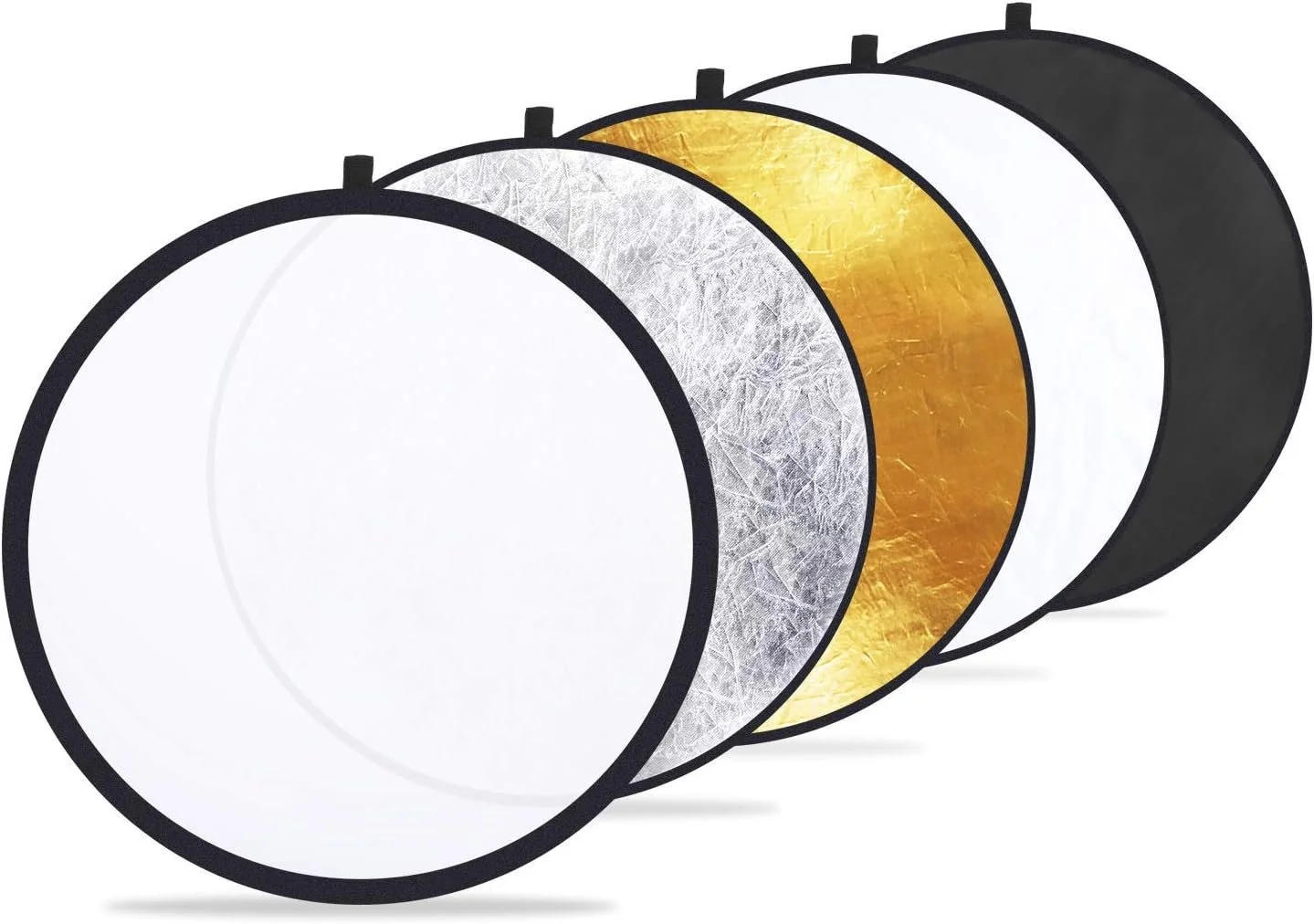
Reflectors help control shadows and bounce light back onto the garment. They are especially useful when photographing:
Dark garments
Specialty ink finishes
Textured fabrics
Reflectors soften shadows and help maintain detail in the design without requiring additional lights. Because they’re lightweight and foldable, they’re easy to store between photo sessions.
Best for: Decorators improving lighting balance in product photos
Impact: Reduces harsh shadows and improves overall image quality
Design & Art Development
Every Great Print Starts with Great Artwork
Before a transfer is printed, trimmed, staged, or pressed, it begins as artwork.
Clean, production-ready designs make every step of the decorating process easier — from accurate color matching to consistent placement and predictable print results.
Decorators who invest in proper design tools are able to produce better artwork, communicate more clearly with customers, and avoid costly production mistakes.
These tools support the design and approval process that happens before production begins.
+ CorelDRAW

Vector-based design software is essential for professional apparel decoration. Programs like CorelDRAW allow decorators to create artwork that can be resized without losing quality — which is critical when designs need to scale across different garment sizes or placements.
Vector software also allows for:
Clean line work
Proper text handling
Accurate design resizing
Consistent layout preparation
Production-ready artwork reduces back-and-forth revisions and ensures transfers are produced exactly as intended.
Best for: Decorators creating or modifying production artwork
Impact: Improves artwork quality and reduces production errors
+ Pantone Color Guide Book
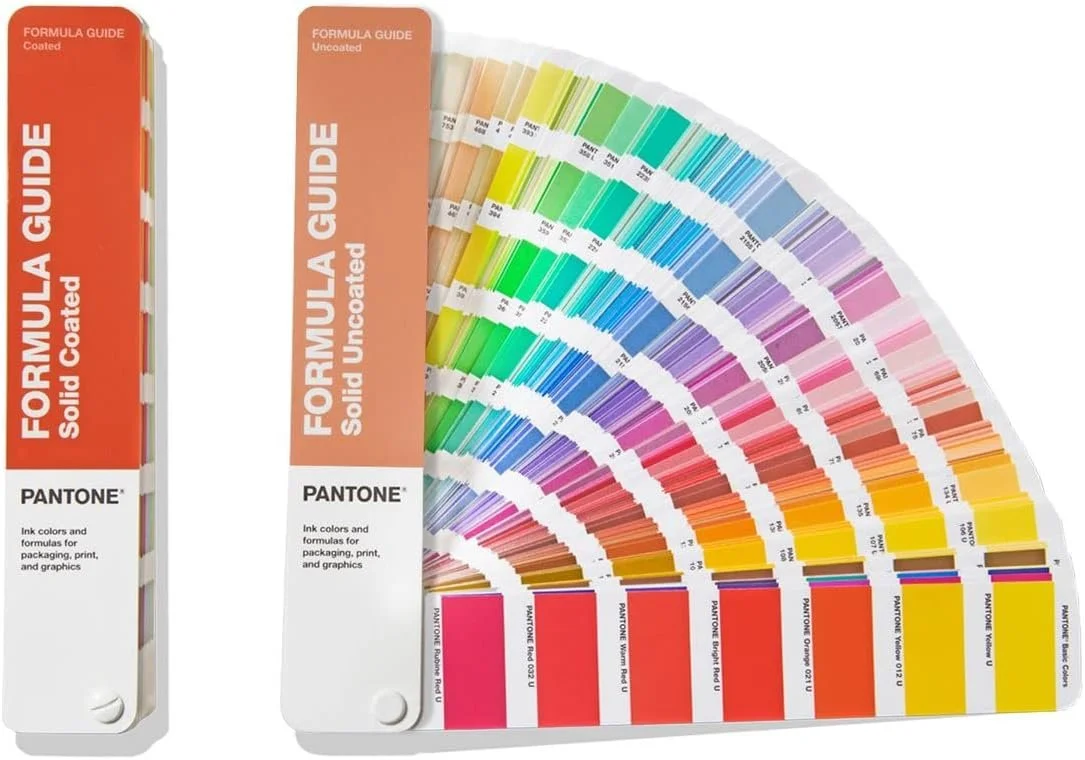
Color accuracy matters — especially when decorating for brands, schools, sports teams, and businesses. A Pantone color guide provides a standardized color reference system that allows decorators and customers to agree on specific colors before production begins.
For transfer production, the Pantone Solid Coated guide is the industry standard, particularly for screen print transfers. It represents how colors appear when printed with plastisol inks on coated surfaces, making it the most reliable reference when communicating color expectations with a transfer supplier. Using a Pantone guide helps:
Match brand colors more accurately
Avoid color disputes during approval
Communicate clearly with transfer suppliers
When everyone is referencing the same color system, the design process becomes far more predictable.
Best for: Decorators producing branded merchandise or corporate apparel
Impact: Improves color communication and approval accuracy
Frequently Asked Questions About Heat Transfer Shop Setup
What tools do you need to start a heat transfer business?
To start a heat transfer business, decorators typically need a heat press, garment preparation tools, alignment and temperature verification tools, transfer cutting equipment, and basic workflow organization supplies. Common starter tools include lint rollers, alignment rulers, infrared thermometers, pressing pillows, trimming tools, and packaging supplies for finished garments.
Building organized systems for staging garments, managing orders, and shipping products is just as important as the pressing equipment itself.
What supplies do you need for heat transfer printing?
Heat transfer printing requires supplies for several stages of production. These include garment preparation tools (lint rollers, fabric shavers), heat press accessories (temperature guns, heat tape, cover sheets), pressure management tools (pressing pillows, neoprene), cutting tools for transfers, and packaging supplies for finished orders.
Decorators also benefit from workflow tools such as storage containers, job ticket systems, and production boards to keep orders organized during production.
How do you prepare a garment for heat transfers?
Garment preparation helps ensure proper adhesion and a clean finished print.
Most decorators begin by removing lint and surface debris with a lint roller. Loose threads are trimmed with snips, and fleece garments may be lightly shaved to remove surface pilling. Some decorators also perform a short pre-press to remove moisture and flatten the garment surface before applying the transfer.
Proper preparation reduces adhesion problems and improves overall print quality.
How do you cut DTF or heat transfer gang sheets?
Gang sheets are typically trimmed using precision knives, rotary cutters, or guillotine cutters depending on production volume.
Small shops often use rotary cutters and cutting mats for flexibility, while higher-volume shops rely on guillotine cutters for faster, consistent trimming. Clean cuts make transfers easier to handle during production and help keep staging areas organized.
Efficient trimming workflows prevent bottlenecks before the pressing stage.
Why do decorators use pressing pillows with heat transfers?
Pressing pillows help create even pressure when applying transfers to garments with seams, zippers, or thick materials.
Without a pillow, raised areas such as hood seams or plackets absorb pressure, preventing the transfer from receiving consistent compression. A pressing pillow raises the print area above these obstacles so pressure is applied evenly across the design.
This improves adhesion and helps produce more durable prints.