HCT Blog
Learn more about the custom apparel decorating industry as a whole, with a focus in screen printed heat transfer application and techniques. We are sharing our best tips and tricks to help your t-shirt business thrive in today’s competitive market. Do you have a suggestion for a blog topic? Let us know HERE. Would you be interested in contributing to our blog? We’re looking for custom apparel companies to share their success stories! Apply HERE.
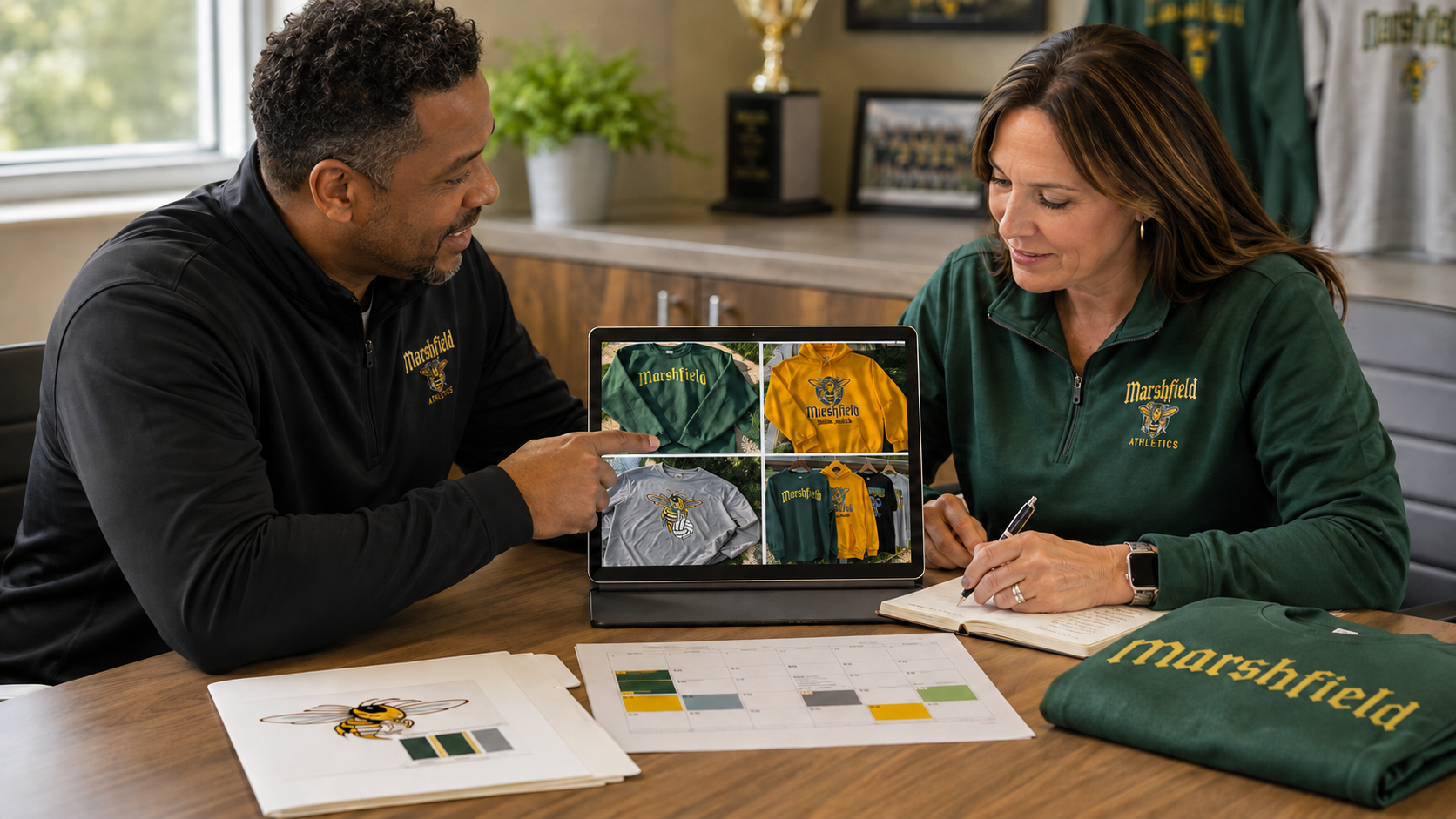
The best pitch to an athletic director may have very little to do with shirts. Behind every apparel conversation is a packed schedule, a pile of decisions, and one pressing question: How much more work will this create? Discover how proactive communication, clearer processes, and fewer loose ends can turn “another vendor” into the partner who makes the whole program easier.
More products can make a school store feel more complete, but when too many options serve the same purpose, shoppers are left comparing instead of buying. Learn how to replace an overcrowded catalog with a focused collection that gives every product a role, every supporter a clearer choice, and schools more confidence in what they promote.
Winning the same school account season after season should make the work easier, but too many decorators rebuild the artwork, store, product mix, and marketing from scratch every time. Discover how turning disconnected spirit wear campaigns into a repeatable program can reduce rework, preserve momentum, and make each account more valuable over time.
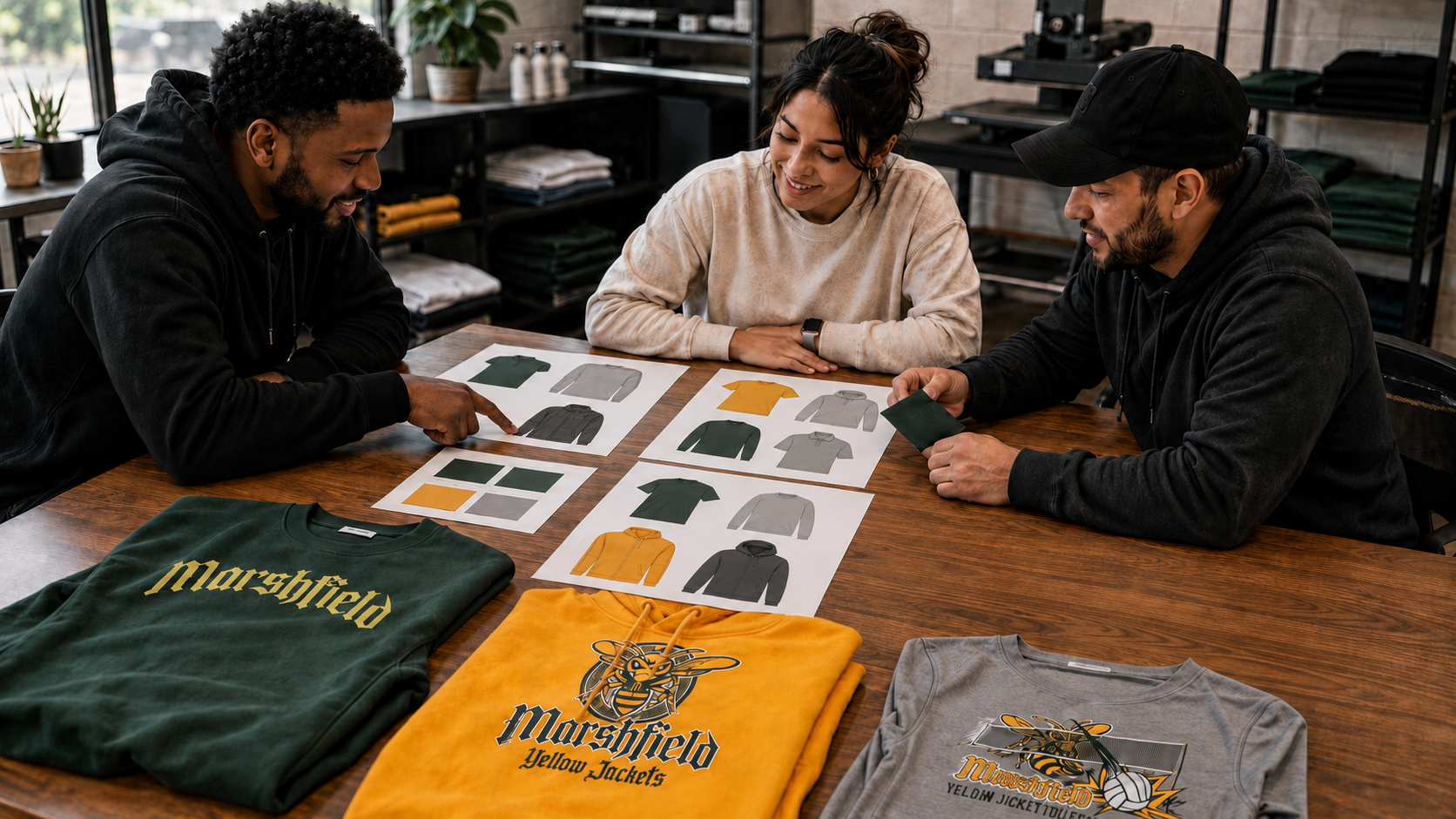
Three schools. Four collections. One decorator who showed up with a plan instead of a catalog — and walked out with programs that reorder every season. See exactly how Legacy Athletic, Modern Performance, Student Lifestyle, and Event Drop each solve a different school apparel problem — from heritage design to event drops built around real rivalry nights — with garment choices, transfer strategy, and pricing logic you can take straight into your next school meeting.
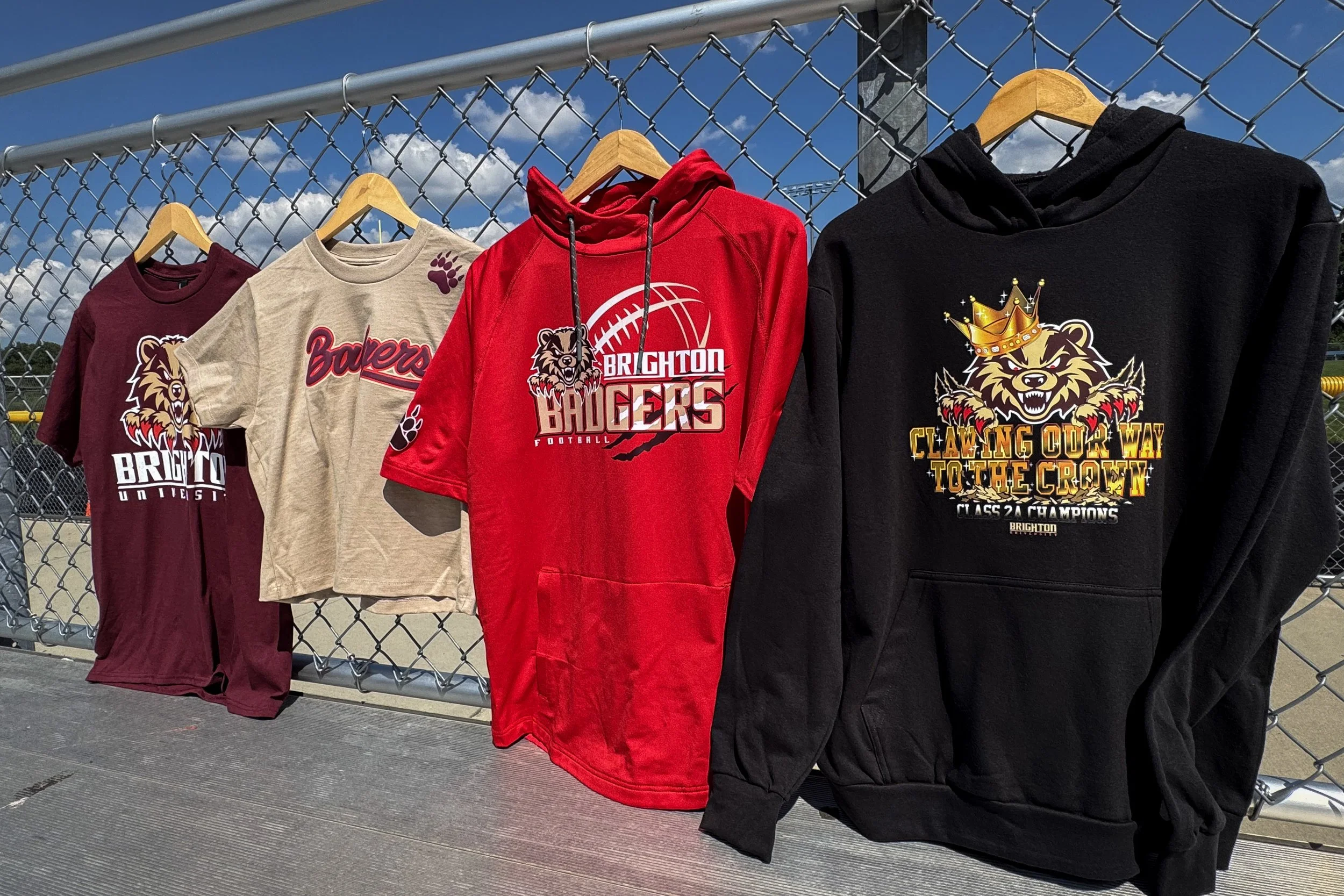
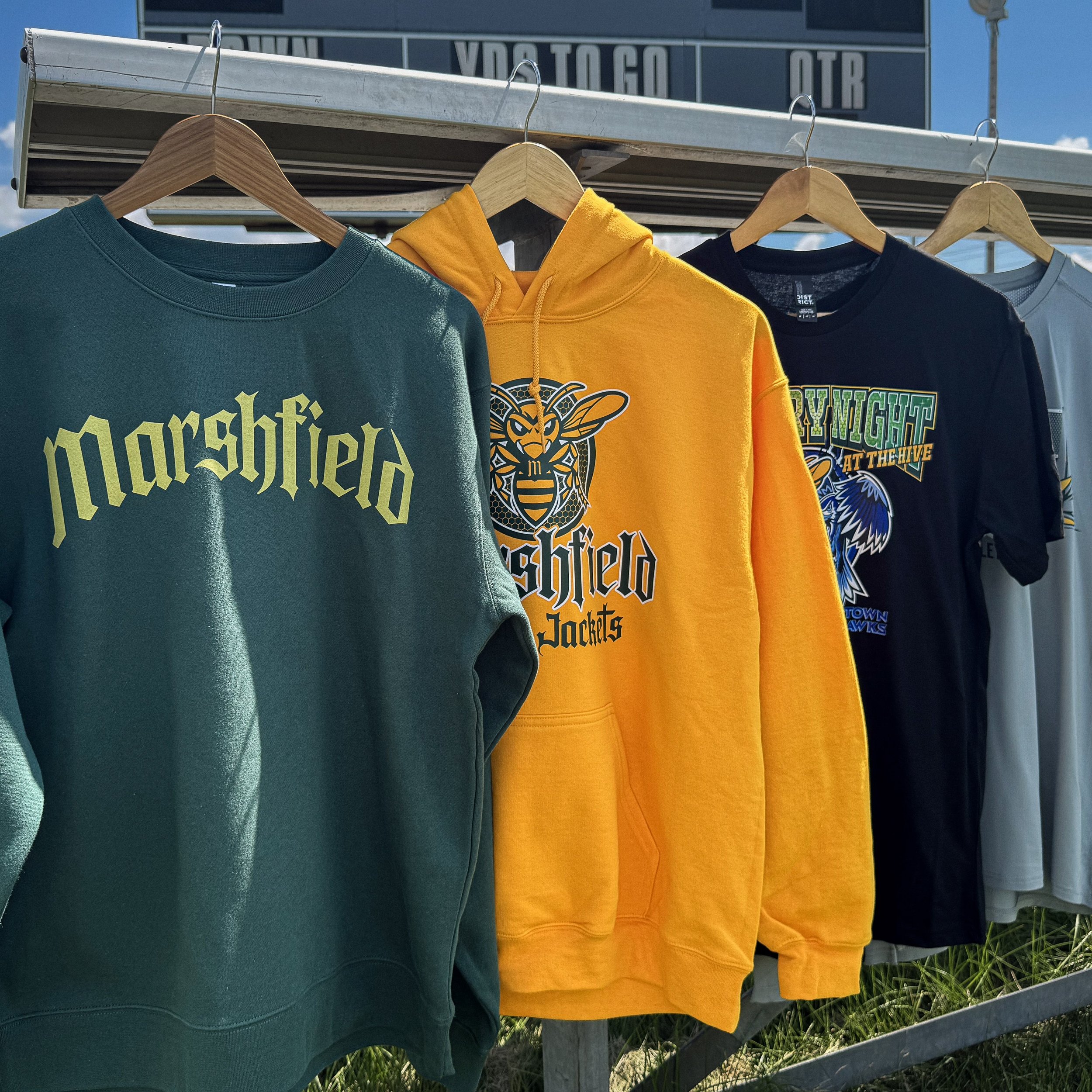
Students haven't stopped caring about school spirit. Spirit wear just hasn't kept up. Learn why outdated merchandise programs lose momentum and how decorators are using better garments, smarter collections, and retail-inspired merchandising to build school accounts that grow year after year.
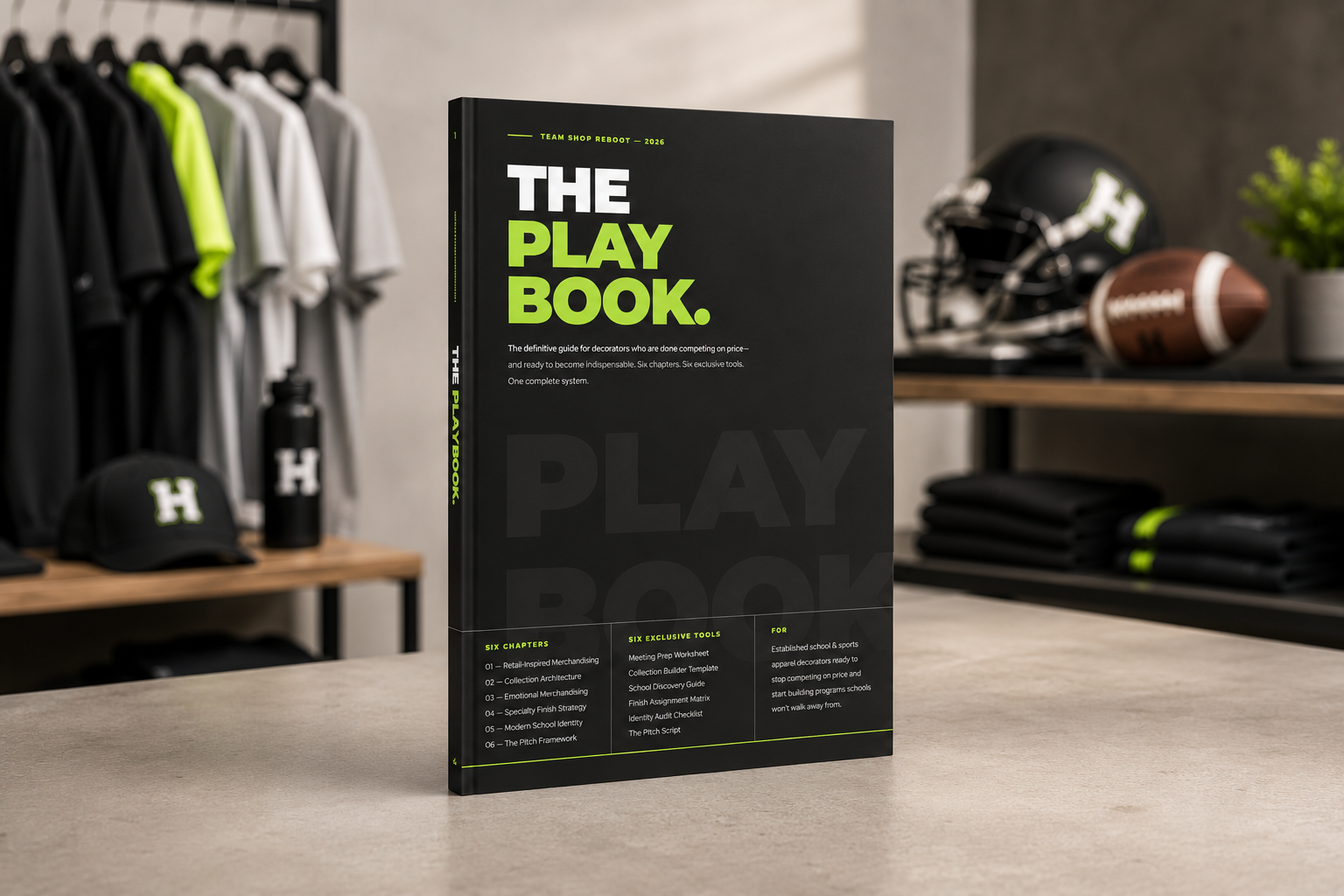
School and athletic apparel is one of the most relationship-driven markets in decoration. The 2026 Team Shop Reboot Playbook gives decorators the tools, frameworks, and worksheets to build school accounts that grow year over year. Six chapters. Six exclusive tools. One complete system to work from.
For many, July feels quiet, but the decorators who use it well show up to Q4 ready while everyone else is still catching up. From shooting fall content to building systems, reaching out early, and exploring specialty finishes, here's exactly how to make the most of the window before fall arrives.
The window between summer and fall is shorter than it feels. Before the last summer event wraps up, back to school is already underway and fall sports programs are spinning up. Here is how to close the summer season with intention, clear inventory with purpose, strengthen client relationships, and walk into fall merch season already ahead of the conversation.
Summer demand is fast, unpredictable, and tied to moments. Trips, events, markets, tournaments, camps. Most decorators try to guess what will sell and print ahead of it. This article makes the case for doing it in reverse: present the merch, collect the orders, then produce exactly what sold. See how pre-orders, limited runs, and event-driven demand let decorators protect their margins and sell smarter all season without touching a box of leftover shirts.
Most merch does not fail because of print quality or production. It fails because the thinking behind the design was never aligned with how people actually buy, wear, and experience apparel in real life. This article gets into the real reasons designs stop selling: designing for yourself instead of your customer, ignoring seasonal context, building isolated pieces instead of cohesive collections, and playing it too safe with scale and finish. See how fixing the approach, not just the artwork, is what actually moves merch.
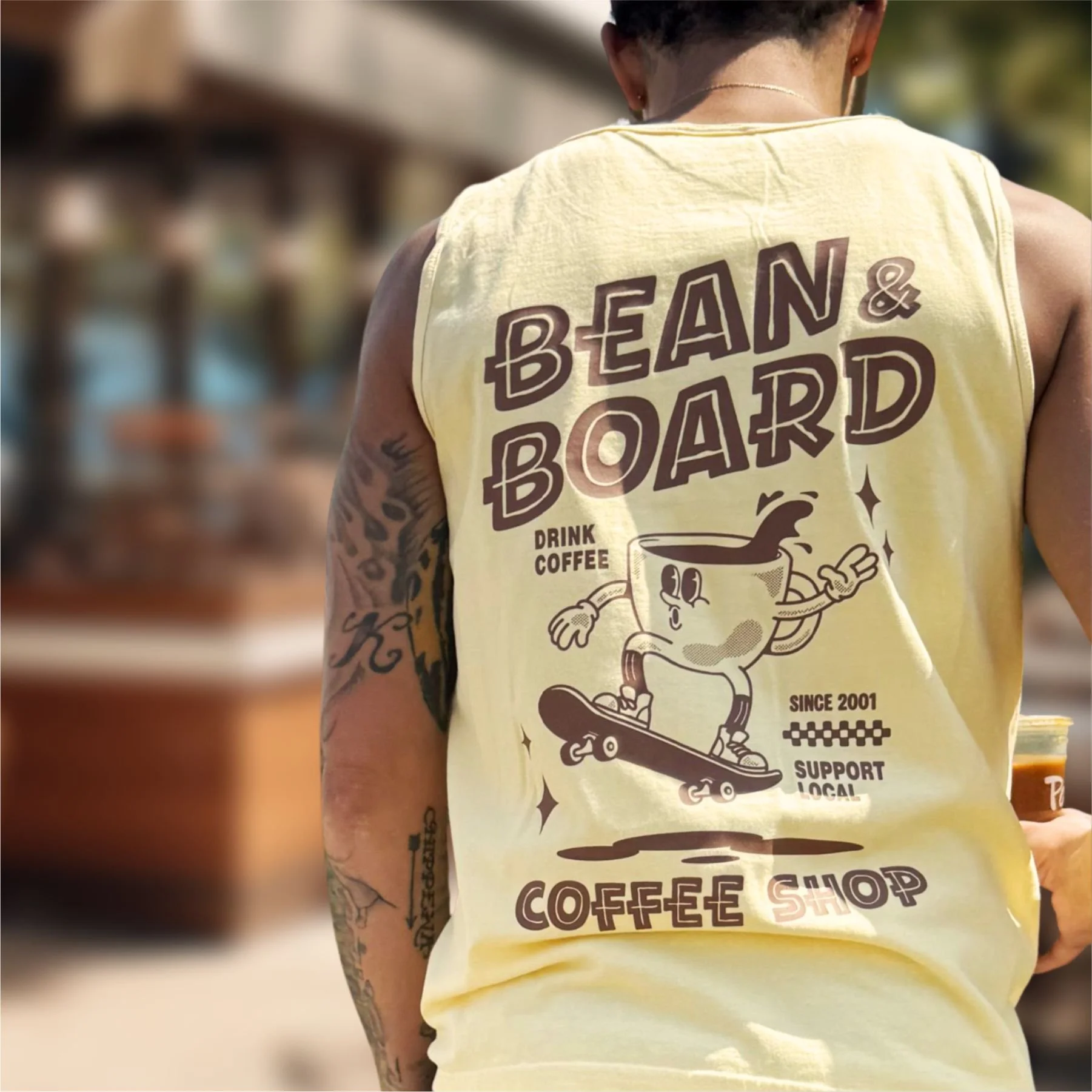
Every industry does summer differently. A brewery needs merch that feels collectible and seasonal. A gym needs pieces people actually choose to wear. A landscaping crew needs apparel that works as hard as they do. This article breaks down the product, fabric, and design direction that works across the industries that move the most merch in warm weather. See how industry-specific thinking turns a standard summer order into a merch program clients actually reorder.
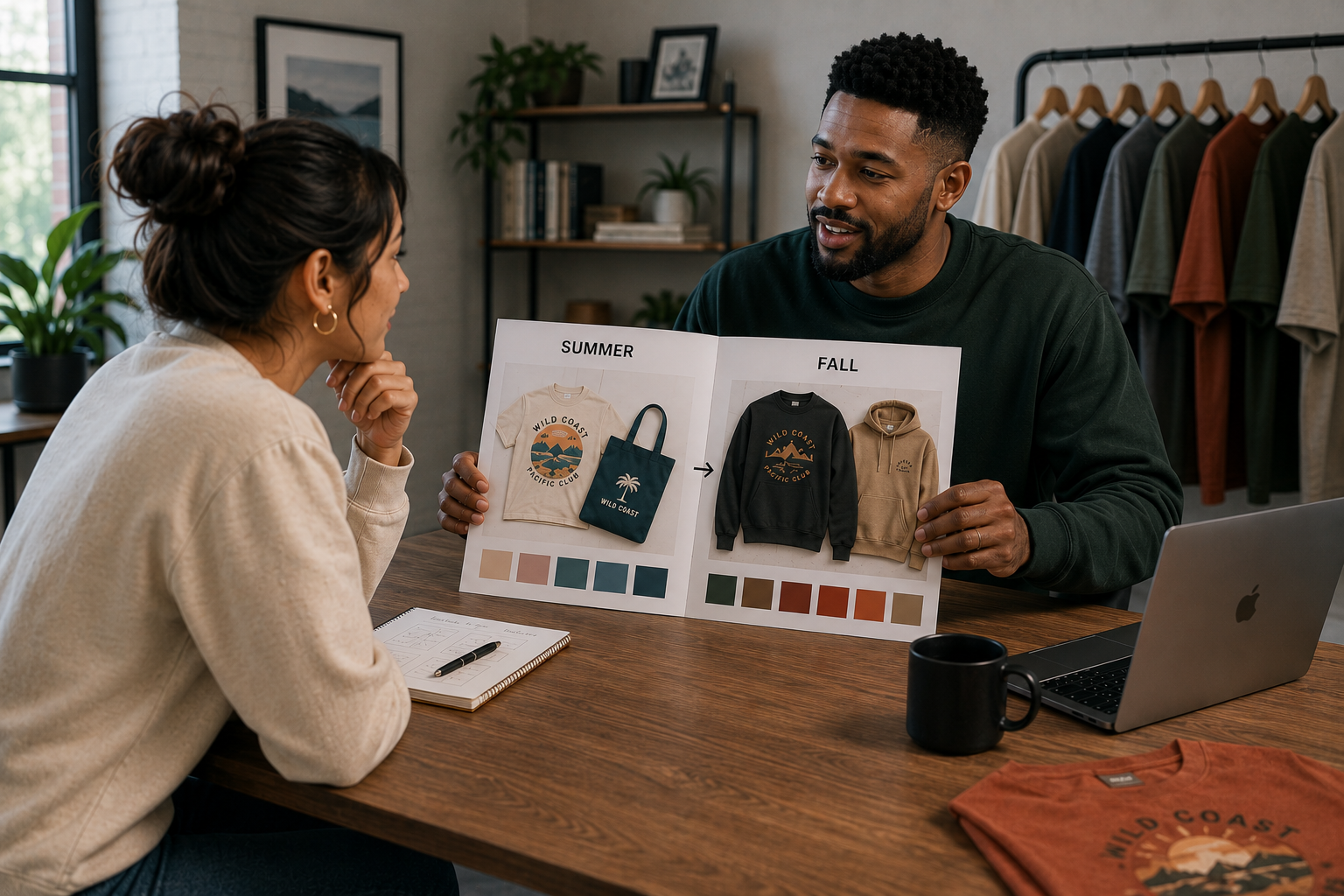
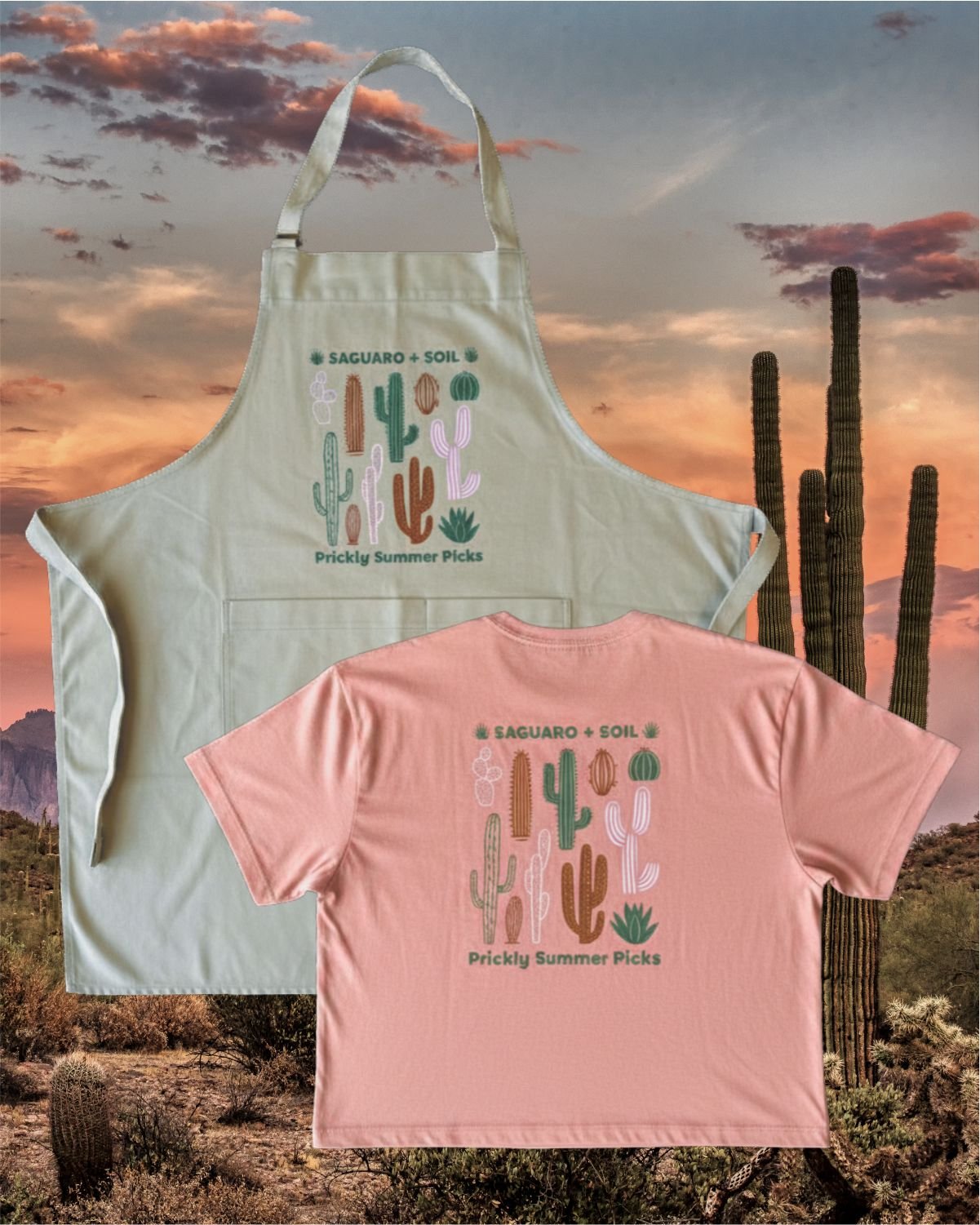
Summer changes how people shop, dress, and move, and merch that doesn't account for that gets left on the rack. This article covers the color palettes, fabrics, print styles, and placements that actually work when garments are worn outside, photographed in real light, and judged in motion. See how the right decisions across every stage build summer merch that moves.
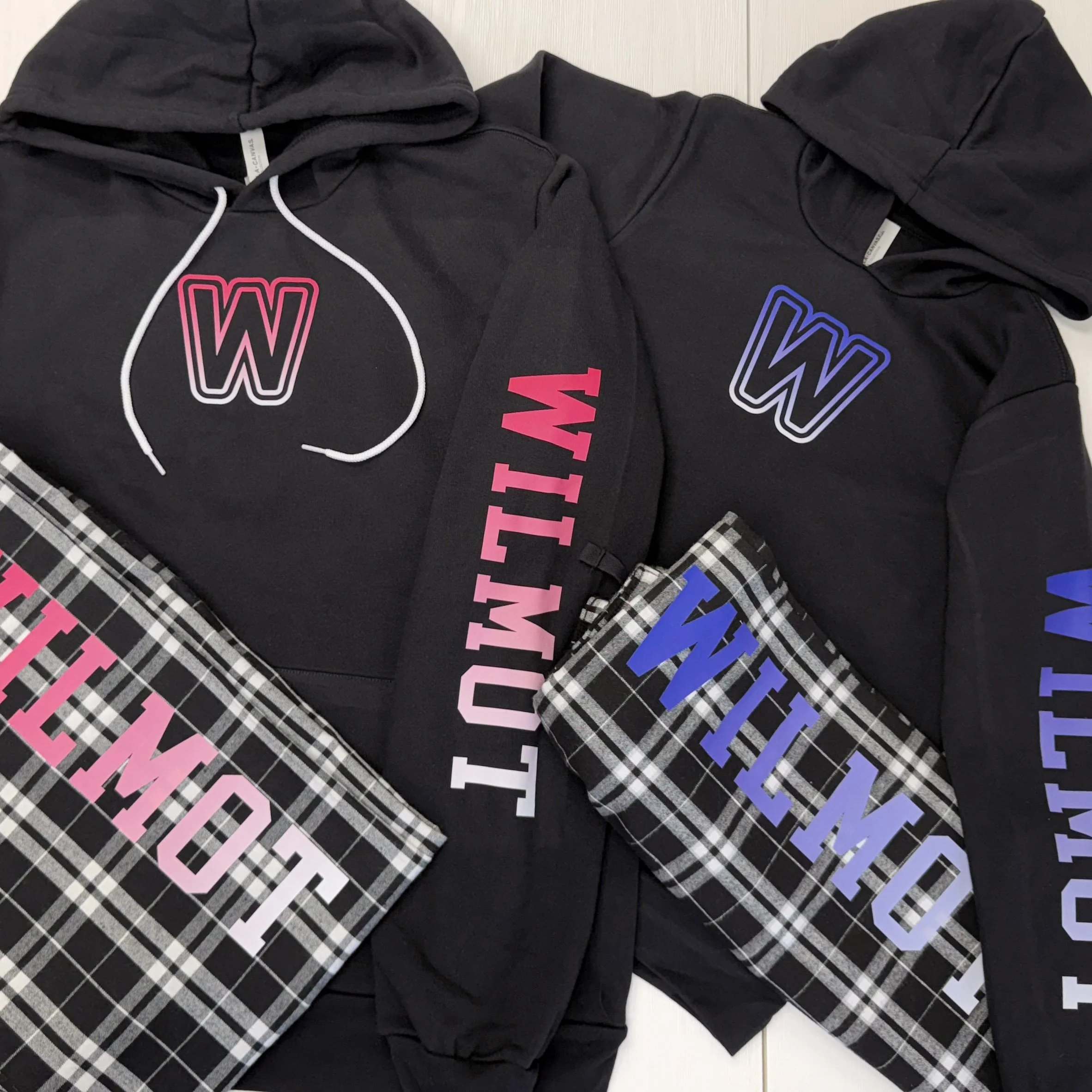
Personalization has a reputation for slowing shops down. That is about to change. A new way to handle names and numbers makes per-piece orders faster to quote, simpler to produce, and wide open in full color. Discover how this shift can turn one of the most frustrating jobs into one of the easiest to profit from.
As part of our Small Business Month series, we feature SNFLR Swag, a custom apparel business serving schools and teams through steady, relationship driven growth. Their story shows how trust, community involvement, and a focus on customer experience can scale a business in ways visibility alone cannot.
Summer is the most profitable season in custom apparel. Graduation runs, family reunions, beach town boutiques, sports camps, farmers market totes, café staff uniforms — the demand is there. The question isn't whether decorators can be busy. It's whether they're building the kind of merch programs that generate real revenue, strong margins, and clients who reorder.
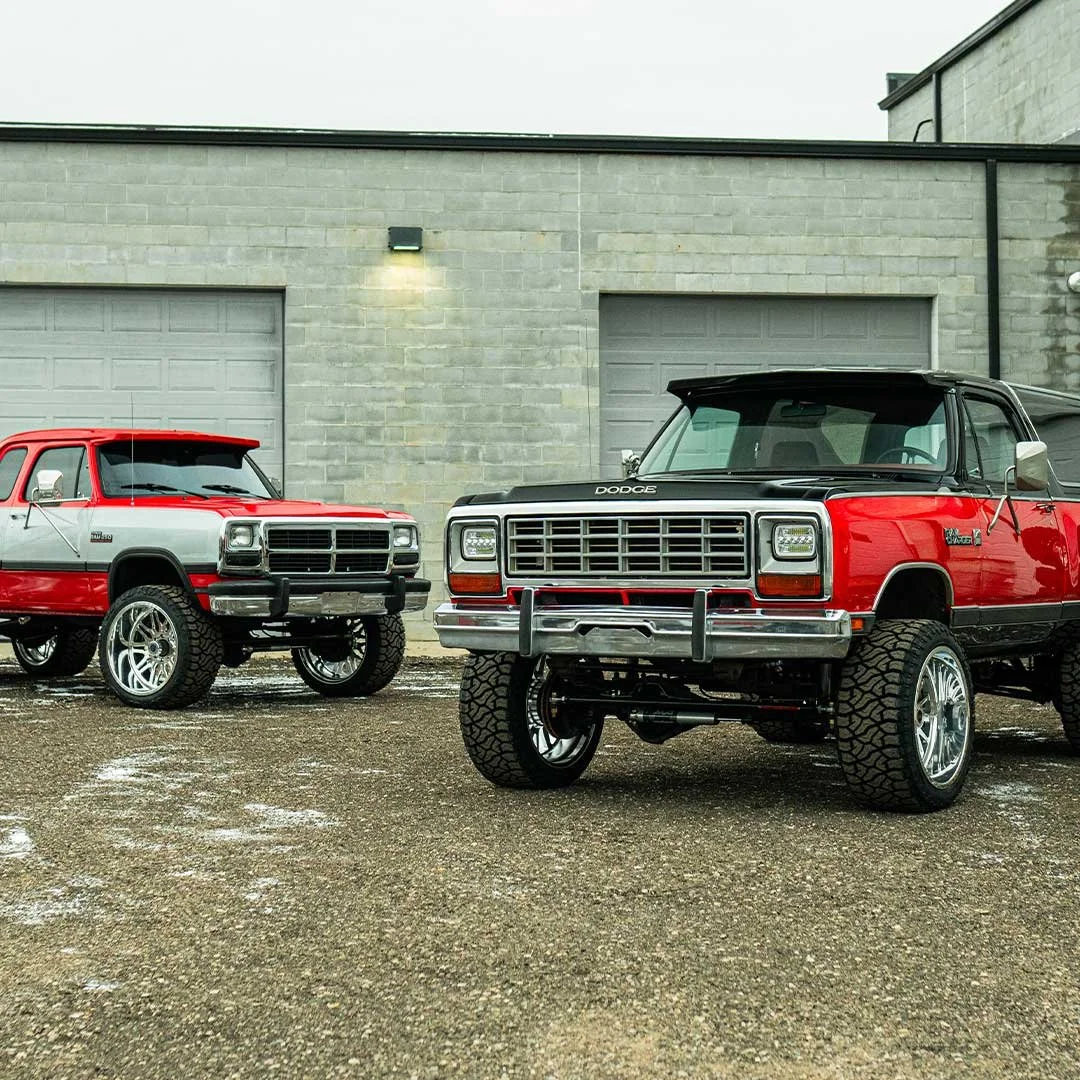
As part of our Small Business Month series, we feature Far From Stock, an aftermarket truck parts brand that turned merch into a core part of its business model. Their story reveals how product, content, and community work together, and why treating apparel like a real product line, not an afterthought, can change how a brand grows.
As part of our Small Business Month series, we’re featuring DJM Designs, a hybrid design and apparel business built on decades of consistency, relationships, and getting the job done right the first time. Their story shows what long haul reliability really looks like for decorators, and why product knowledge, flexibility, and trusted partnerships often make the difference between stress and success.
As part of our Small Business Month series, we feature Colors of Grey, a graphic tee brand built to move at the pace of modern trends without losing its identity. Their story offers a behind the scenes look at how speed, intention, and consistency come together to create real momentum, and why what happens behind the press matters more than most decorators realize.
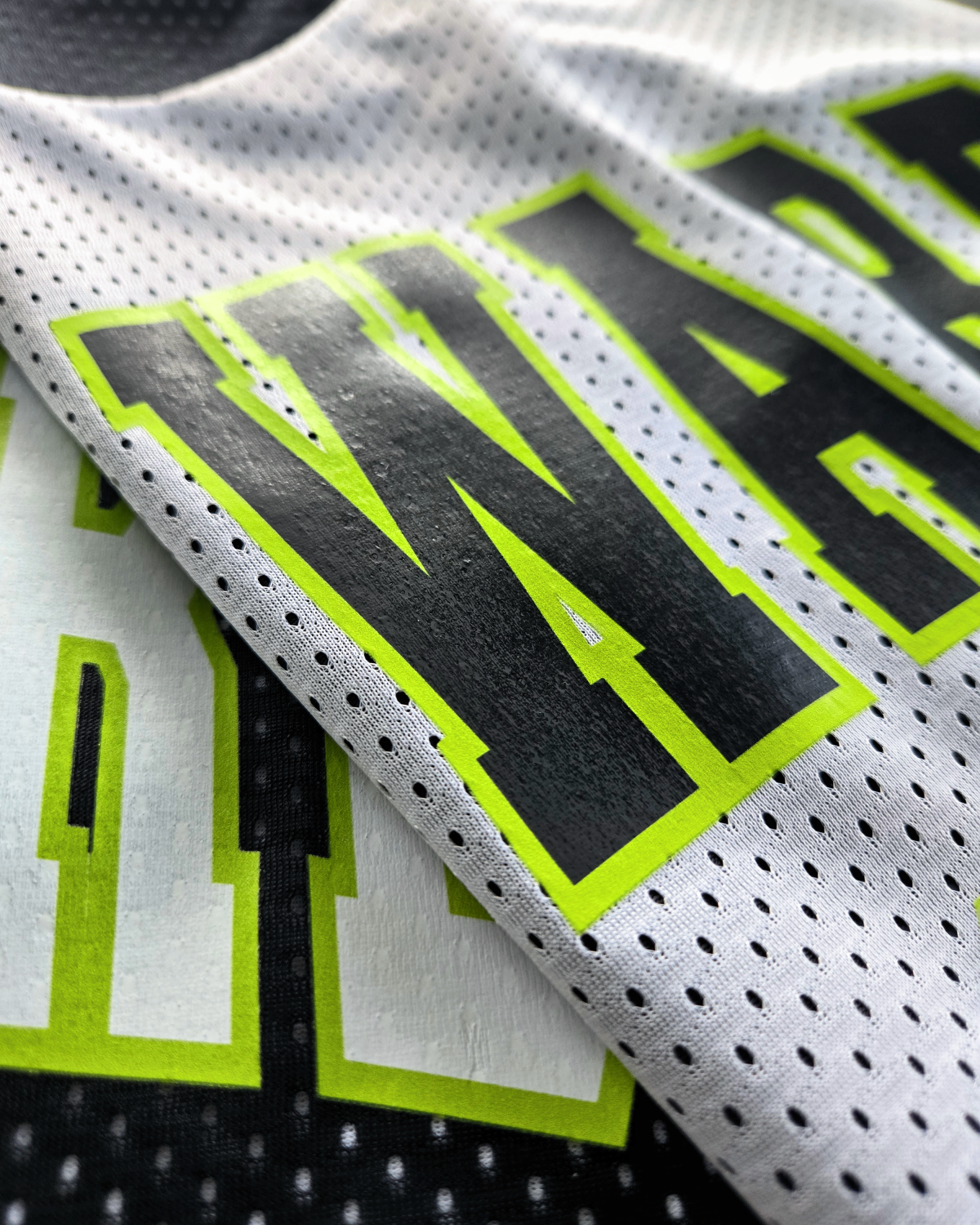
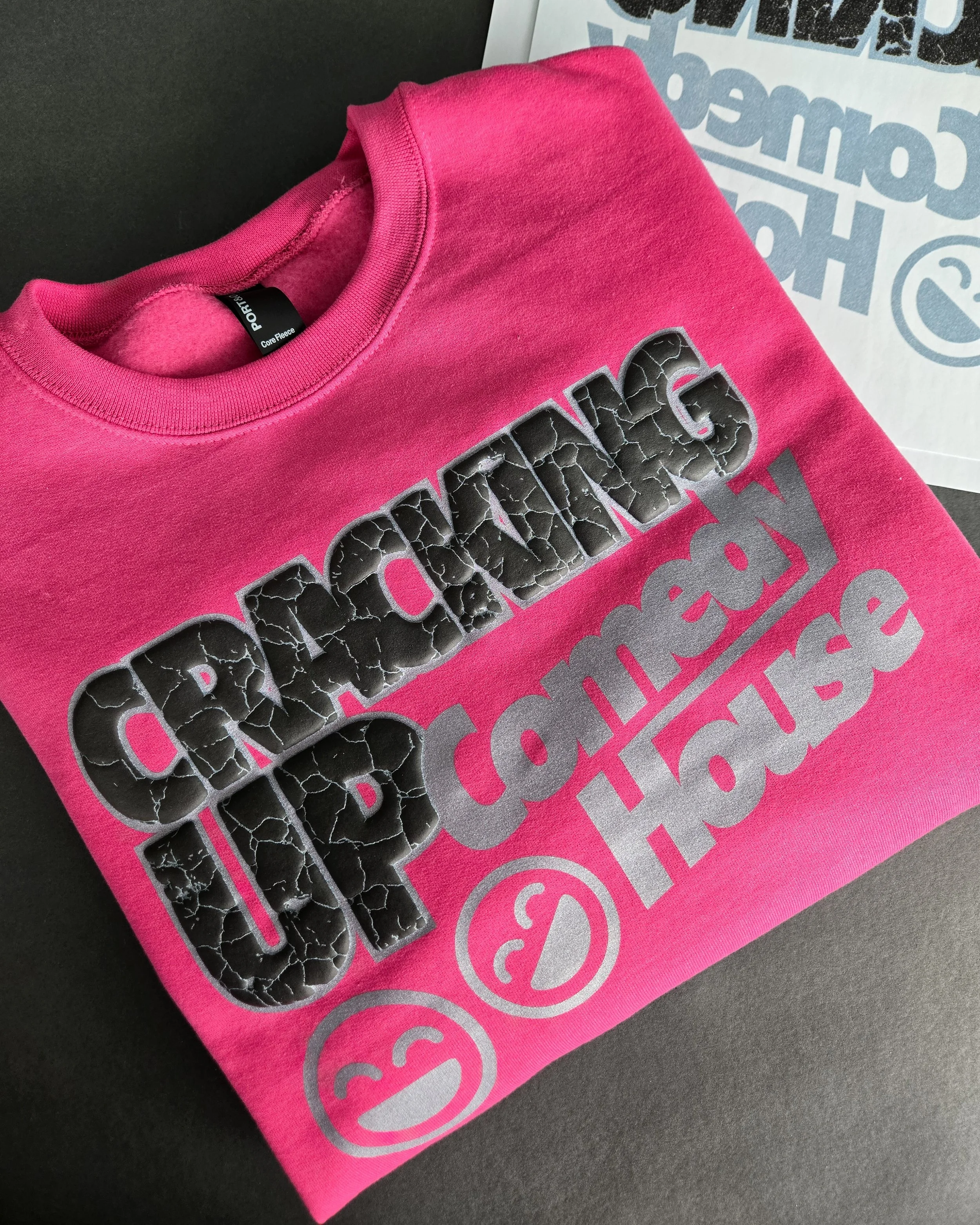
Mastering specialty finishes starts with smart design. In this article, a former production artist shares insider tips on designing for Puff, Glow, Shimmer, Glitter, and Vintage Wash transfers. Learn how to align artwork with each finish to create merch that feels intentional, eye-catching, and strategically positioned for higher perceived value.
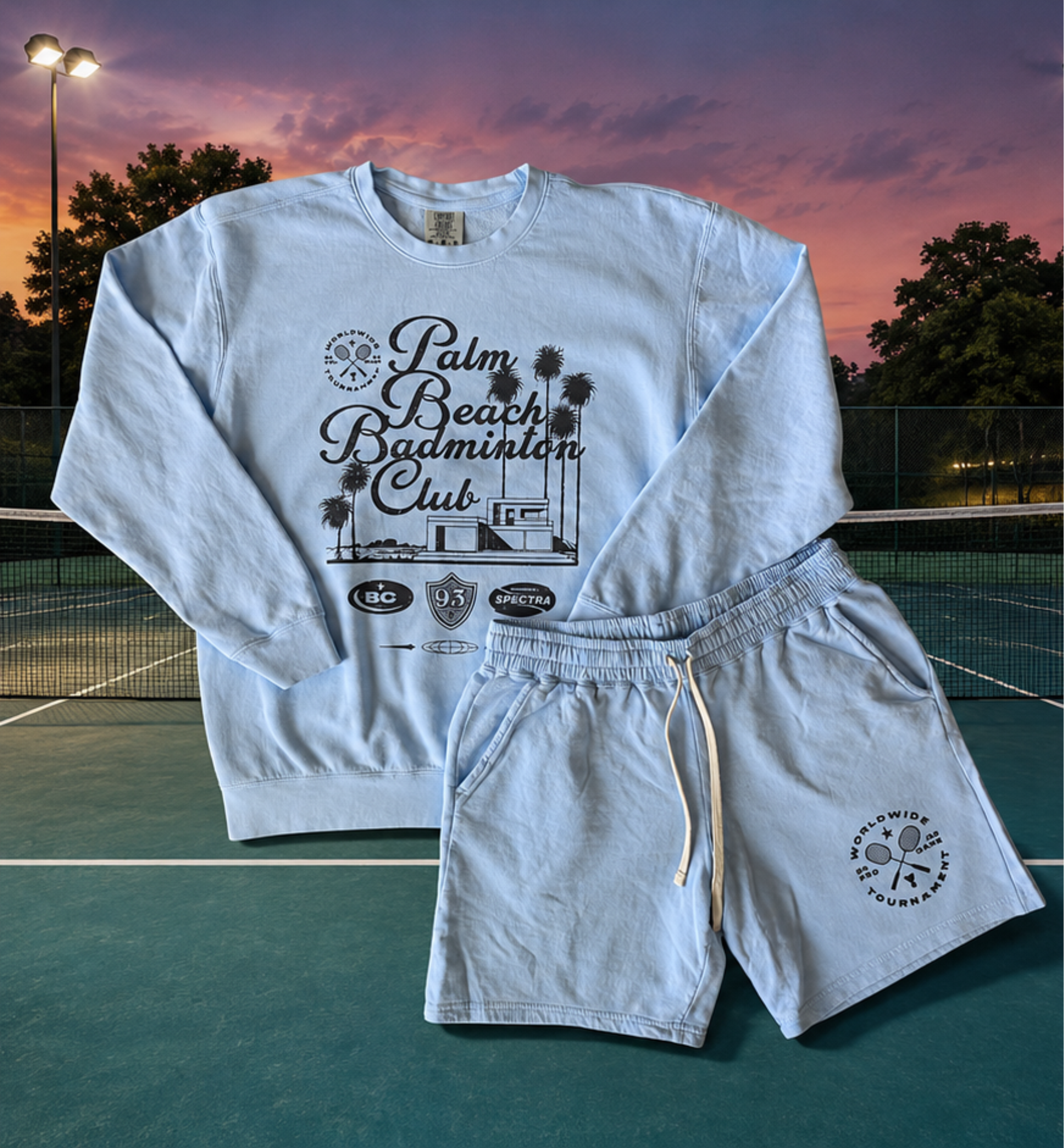
Not every specialty finish shouts. Vintage Wash works quietly, letting garment color blend with semi-transparent ink to create soft-hand, sophisticated designs. This article explores how subtlety, texture, and intentional placement turn everyday apparel into pieces that feel curated, thoughtful, and ready for retail.
Glow isn’t just a finish—it’s an experience. This article explores how glow in the dark screen print transfers create interactive, memorable merch that shines when the lights go down. Learn how strategic placement, thoughtful design, and event-driven timing turn ordinary apparel into keepsakes that command attention and justify premium pricing.
Shimmer adds subtle sophistication, Glitter delivers bold impact. This article shows how these specialty heat transfer finishes influence perception, guide customer decisions, and support premium pricing. See when to use shimmer for elegance, glitter for energy, and how strategic placement turns finishes into high-value upgrades that protect margins.
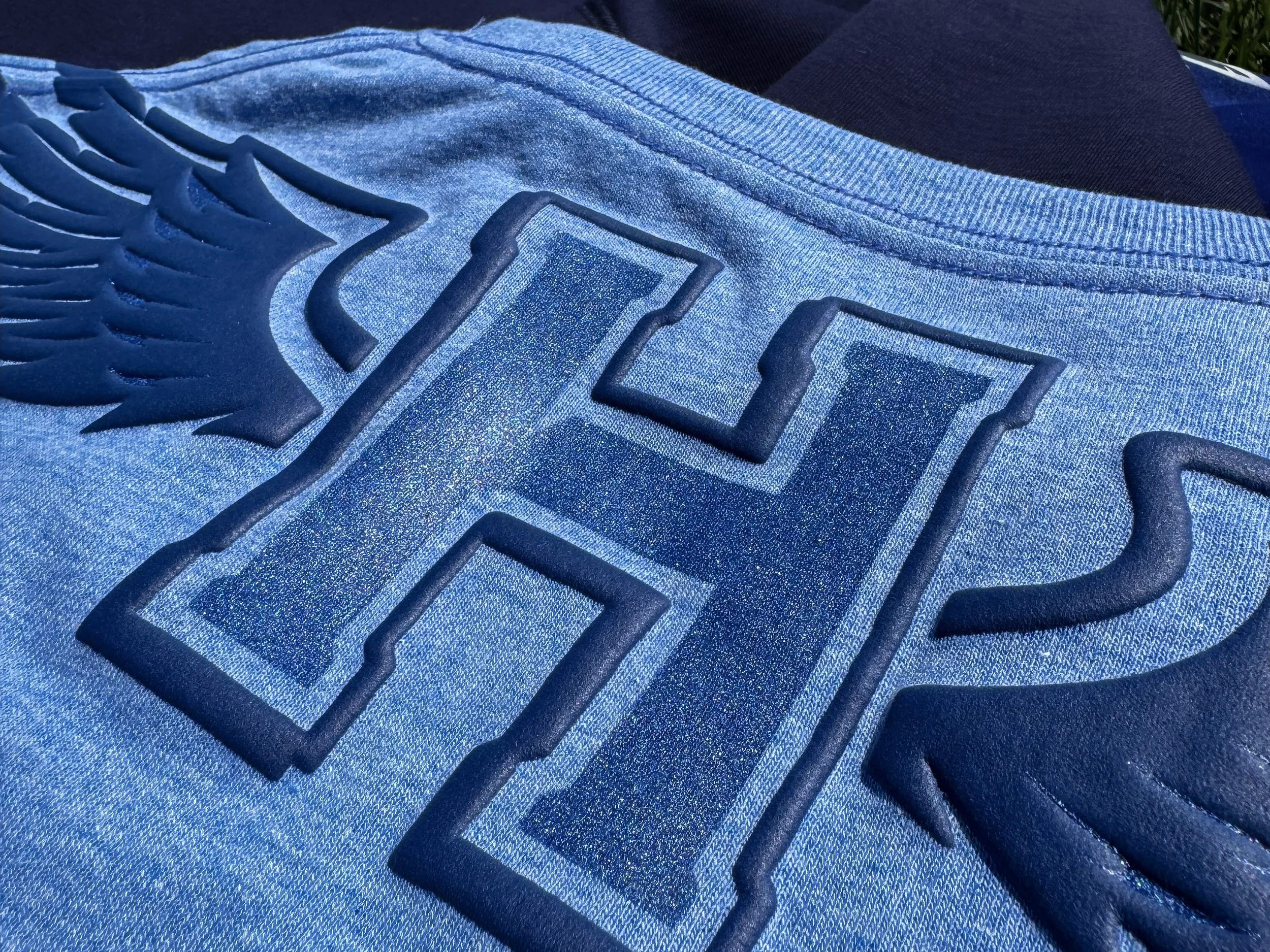
Adding dimension changes perception. This article explores how puff screen print transfers elevate garments, create tactile experiences, and help decorators strategically position products for higher perceived value without relying on extra colors or complex artwork.
High-impact samples are meant to stand out, but too many can dilute their effect. This article explores why using WOW pieces sparingly preserves contrast, strengthens perceived value, and keeps premium upgrades feeling intentional. Learn how strategic restraint helps your showroom guide decisions instead of overwhelming them.
A curated showroom is only as effective as the way it’s structured. This article introduces the Rule of 3. Base, Specialty, and WOW. A simple framework for organizing apparel samples to guide customer decisions, reduce overwhelm, and naturally lead to higher-value upgrades. See how intentional structure turns your displays into powerful selling tools.
Fewer samples can make a bigger impact. This article unpacks how intentionally selecting and arranging your apparel samples turns walls into powerful sales tools, reinforces good, better, best pricing, and helps customers make confident, value-driven choices.
A crowded showroom can confuse customers and make price the default decision. This article explains how a story-driven approach guides visitors through use cases, upgrades, and outcomes, turning apparel samples into a powerful sales tool that builds trust and drives higher-value orders.
If pricing conversations feel exhausting, the problem usually is not your numbers. It is your structure. This article explains how a pricing menu helps apparel decorators guide decisions, reduce negotiation, and sell value with confidence.
Discounting does not have to mean sacrificing profit. This article explains how to scale pricing for volume and repeat clients using clear thresholds, value-based tiers, and loyalty incentives that protect your margins while making it easier for customers to reorder.
A competitor can copy your product mix, challenge your pricing, and promise a faster turnaround. What they can’t copy is years of knowing the school’s brand, approval process, pressure points, and product history. Here’s how decorators can put that hard-earned context to work, deliver more value with every season, and build a relationship that another quote can’t easily replace.