
How to Sell Custom T-Shirts in Summer Without Holding Inventory
Part of The Summer Merch Playbook series, helping apparel decorators create seasonally relevant, retail-ready summer merch.
In the previous guide, we broke down how summer changes the way merch is designed and experienced. This article shifts into how to actually sell that merch without holding inventory, by using pre-orders, limited runs, and event-driven demand.
Summer creates fast buying moments. Trips. Events. Weekends. Pop-ups. Tournaments. Markets. People make quick decisions tied to real-world activity, not long-term planning.
Think about the merch you see at festivals, camps, beach towns, markets, and tournaments. Most of it is sold before it is ever printed. That is not accidental. It is a response to how unpredictable and fast summer demand can be.
For apparel decorators, this is an advantage if you know how to approach it.
Why Summer Is the Best Season to Sell Shirts Without Inventory
Summer buying behavior is emotional and situational. People are not shopping for long-term wardrobe staples. They are buying for a trip next weekend, a camp their kids are attending, a tournament they are playing in, or a market they are visiting.
Because of this, demand is tied to moments instead of ongoing stock. This makes summer uniquely suited for pre-order selling.
Instead of guessing what customers might want and hoping it sells, you present merch that fits a specific situation and let customers opt in first. You are reacting to confirmed interest instead of gambling on inventory.
Pre-Selling T-Shirts Instead of Holding Inventory
Traditional thinking says you print shirts, then try to sell them. Summer works better in reverse.
You show the design. You show the garment it will be printed on. You explain why it fits the event or season. Then you collect orders before anything goes into production.
This approach eliminates leftover sizes, leftover colors, and boxes of unsold shirts. It also gives you the freedom to recommend better garments and more interesting print styles because you are not worried about being stuck with stock that needs to move.
Pre-selling allows you to be more intentional with both design and product choice.
Using Limited Runs and Pre-Orders to Sell Event Merch
Summer buyers respond strongly to time limits. When merch feels connected to a date, an event, or a season, it feels more relevant and more exciting.
Position merch as something that is only available for a short time or tied directly to an upcoming event. This shifts the perception from “something for sale” to “something happening.”
In practice this means setting a hard close date on every pre-order window — typically five to ten days — and communicating it clearly from the first touchpoint. “Orders close Friday” is more compelling than “limited availability.” Tie the window to something real: the event date, the end of the season, the last day of camp. When the deadline has a reason behind it, buyers feel it.
Limited runs work the same way. A seasonal colorway, a single-event graphic, or a summer-only design tells the customer this is not something they can come back for later. That urgency does not need to feel manufactured — in summer merch, it usually is not.
Where This Works Best
This strategy becomes even more powerful around live summer environments where demand is high but unpredictable.
Festivals, camps, tournaments, markets, charity runs, and tourism locations all create short windows of high interest. Quantities are hard to predict and no one wants leftover shirts.
In these settings, pre-selling and producing after orders are collected is not just helpful. It is the smartest way to operate.
How to Sell Shirts with Mockups Before Printing
You do not need printed samples to sell summer merch. You need visuals that help customers picture the product in real life — and that means being intentional about how those visuals are built.
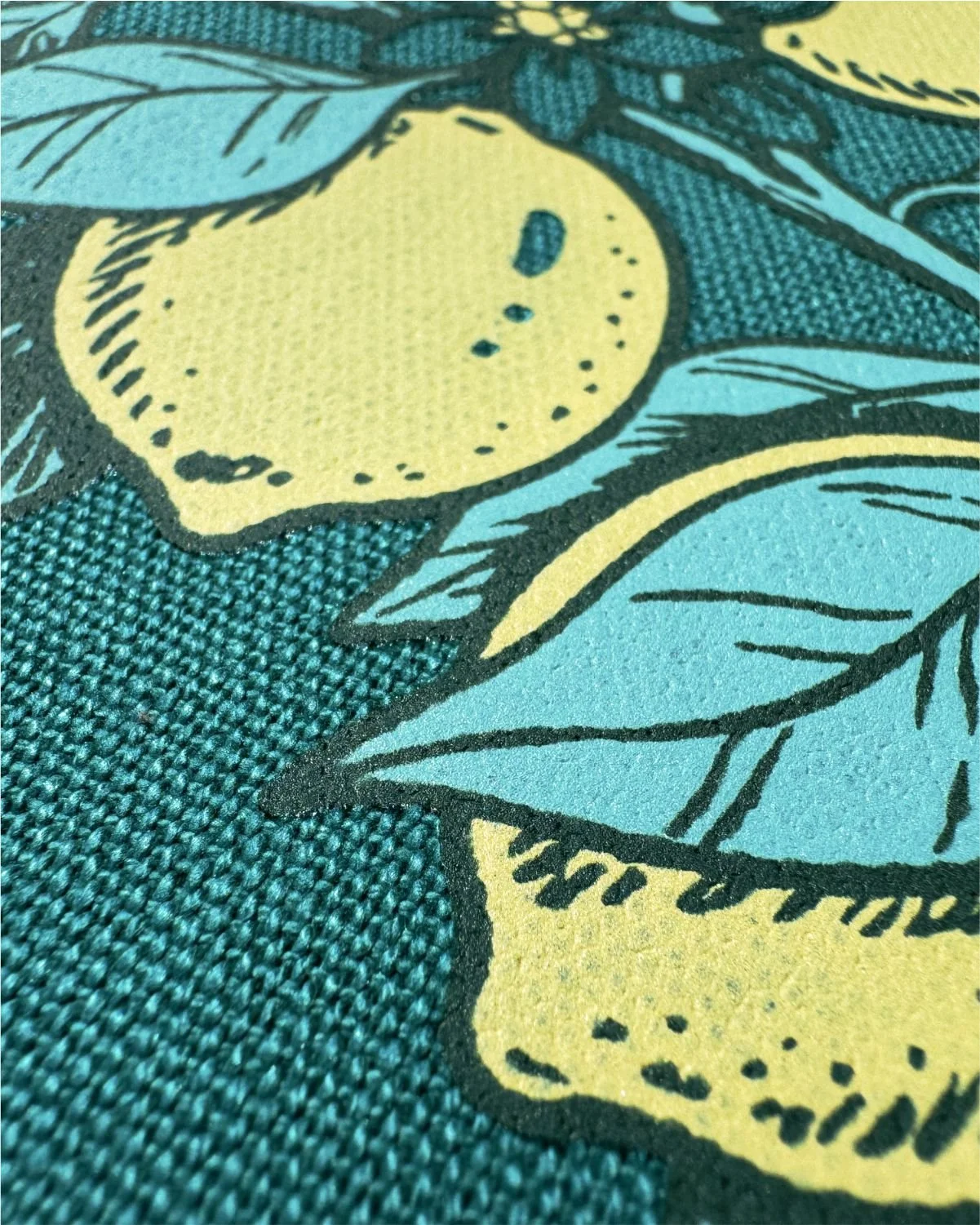
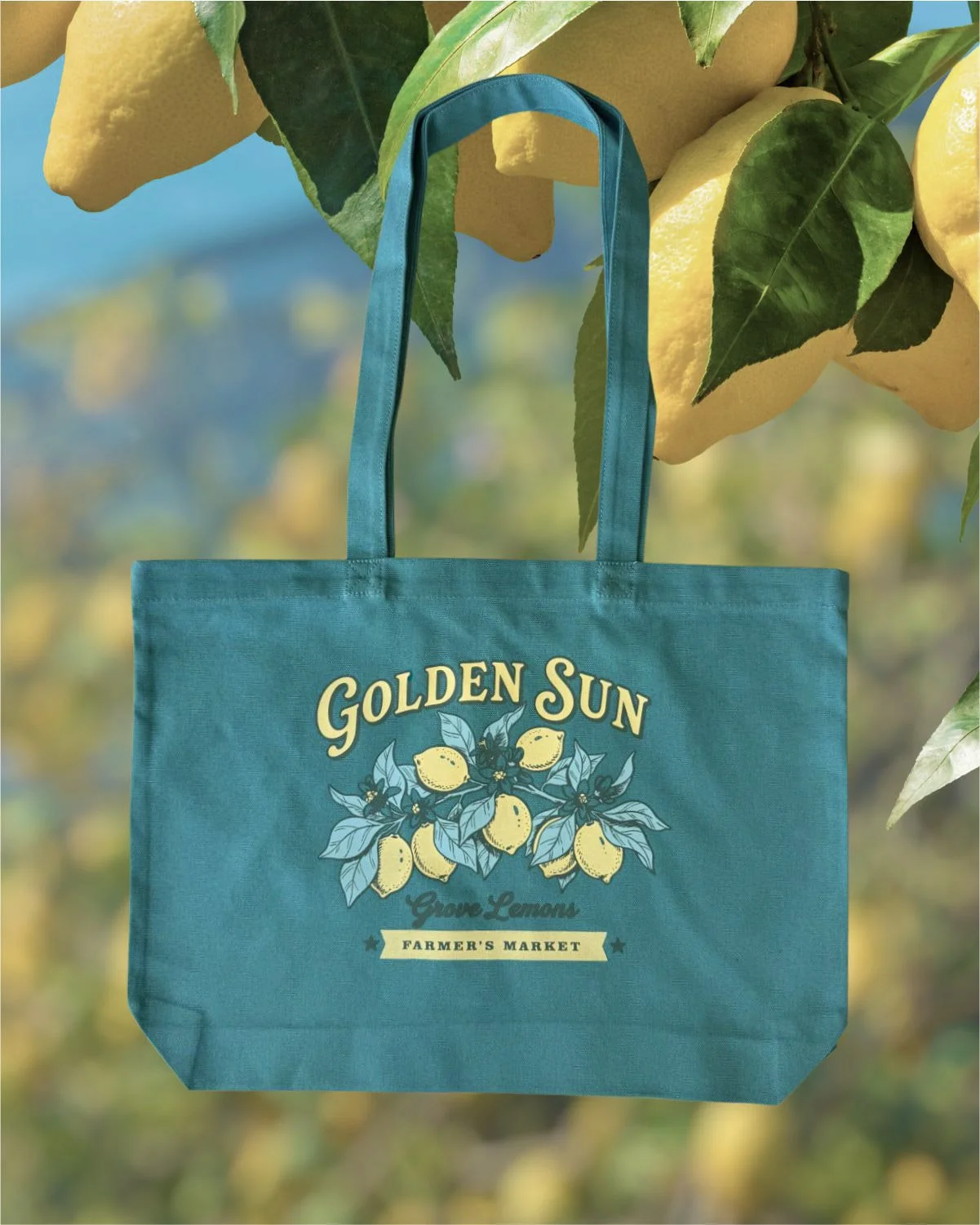
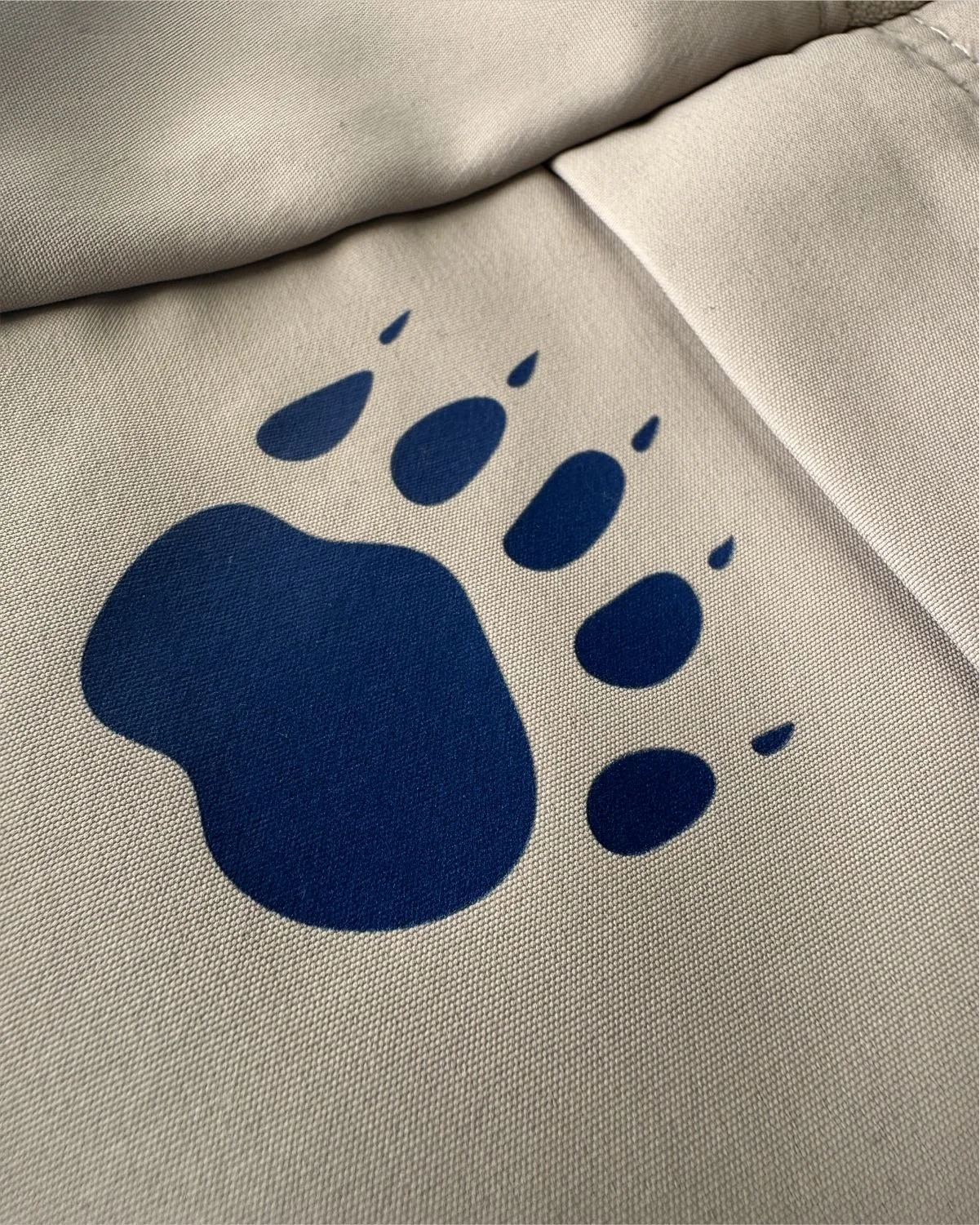
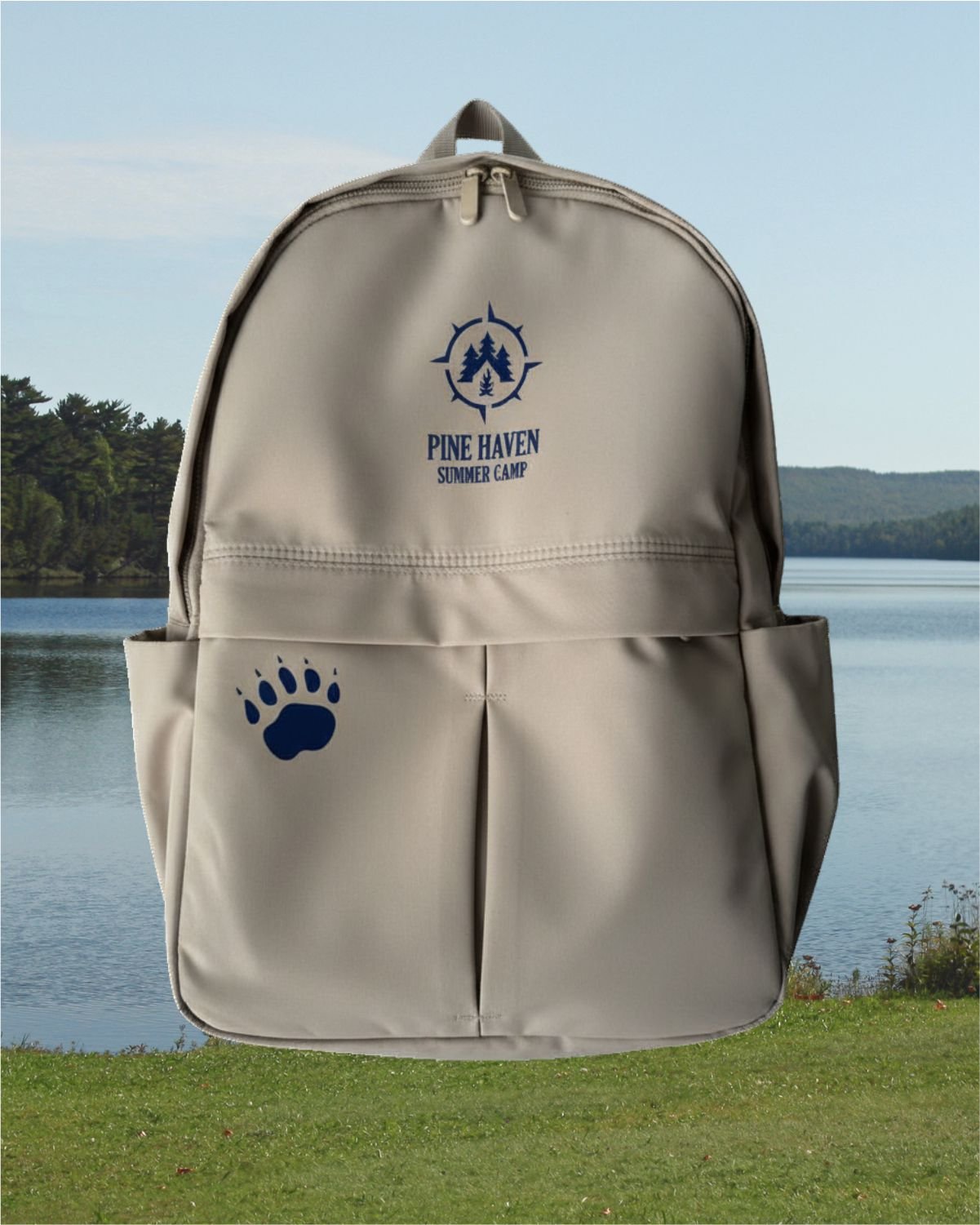
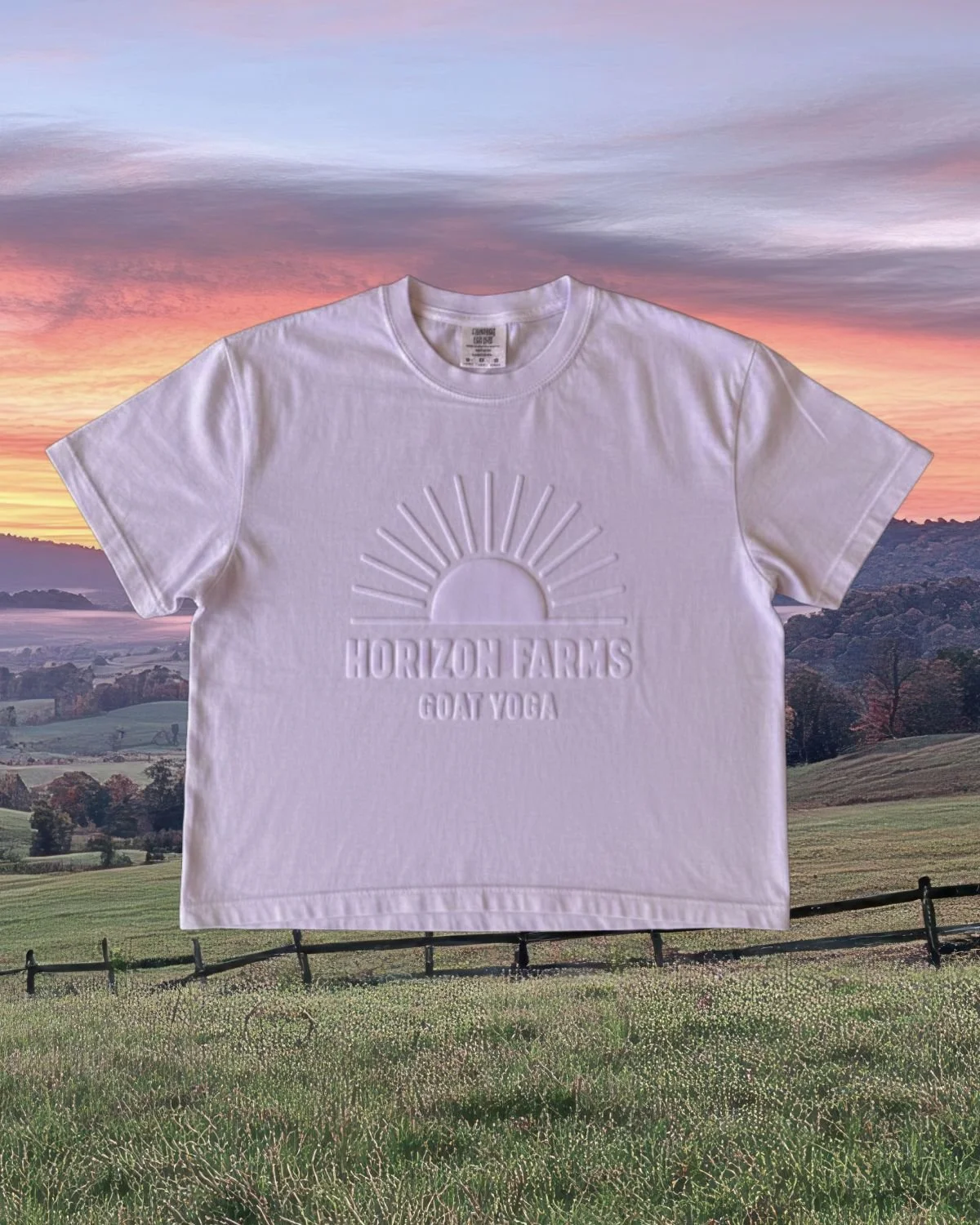
Show the garment color in natural light, not studio white. A butter yellow tank photographed outdoors reads completely differently than the same blank on a grey background. Show the design placed on the garment at the correct scale and placement, not centered by default, but where it would actually sit. Use lifestyle mockups that match the environment where the merch will be worn: a market tote on a wooden table, a festival tee on someone mid-crowd, a camp shirt on a kid heading into the woods.
The more specific the visual, the easier the decision. When a customer can picture themselves wearing the shirt at the event they are already planning to attend, buying before it physically exists feels like a no-brainer rather than a risk.
Strong content does not just replace the need for inventory. It replaces the need for a sales pitch.

Pricing Summer Merch for Profit Instead of Volume
When you are not holding inventory, pricing strategy changes. You are not trying to clear shelves. You are offering something limited, intentional, and tied to an experience.
This allows you to price based on value instead of volume. Customers buying summer merch are not comparison shopping; they are buying something connected to a specific moment, and that context does real work on perceived value. A garment-dyed tee with a vintage wash print sold as part of a festival drop carries more weight than the same shirt sitting in a bin.
In practice, this means you can hold your margin without discounting to move units. You produced exactly what sold. There is no leftover stock to clear. The price reflects the product and the experience behind it.
The Summer Selling Mindset
Selling without inventory requires a shift in thinking. You are not operating like a warehouse. You are operating like a seasonal merch curator.
You present ideas that fit real summer situations. You set clear timelines. You collect orders. Then you produce exactly what is needed.
Summer rewards decorators who sell first and print second.
To see how complete summer collections come together across tees, hats, and carry goods, explore The Summer Merch Lookbook which is built around this strategy.
FAQ: Selling Summer Merch Without Inventory
How do I sell shirts if I do not have anything printed yet?
Use mockups, garment photos, and lifestyle imagery to help customers visualize the product in a real summer setting. The more specific the visual — right garment color, right placement, right environment — the easier the buying decision becomes.
What types of customers work best for this model?
Events, camps, sports leagues, markets, tourism locations, and any business with seasonal foot traffic. Essentially any client whose demand is tied to a specific moment or season rather than ongoing stock.
How long should a pre-order window be?
Typically, five to ten days works well for summer events and limited runs. Tie the close date to something real — the event date, end of season, or last day of camp — and communicate it clearly from the start.
Is this more profitable than holding inventory?
Yes. You remove guesswork, reduce waste, and protect your margins by only producing what is already sold. It also frees you to recommend better garments and more interesting print styles because you are not worried about being stuck with stock that needs to move.
Do I need special equipment for this?
No. This is a sales and merchandising strategy, not a production change. The shift is in how you present and sell — not in how you decorate.