
Why Your T-Shirt Designs Aren’t Selling — And How to Fix Them
Part of The Summer Merch Playbook series, helping apparel decorators create seasonally relevant, retail-ready summer merch.
In earlier guides, we looked at how summer changes merch behavior and how sales strategies shift when you remove inventory from the equation. This article focuses on something more fundamental: why designs fail to sell in the first place.
Most merch does not fail because of print quality or production. It fails because the design was never aligned with how people actually buy, wear, and experience apparel in real life.
If your designs are not selling, the issue is usually not the artwork itself. It is the thinking behind it.
You Are Designing for Yourself, Not Your Customer
One of the most common problems in merch is assumption-based design.
Decorators often create what looks good to them instead of what fits the lifestyle, identity, or environment of the buyer. The result is work that may look strong in isolation but does not connect in a real-world setting.
A design might be detailed, creative, and technically strong, but if it does not match what the customer would realistically wear to work, events, travel, or daily life, it will struggle to sell.
The fix is not more creativity. It is more alignment.
Before designing, you should be able to answer:
• Who is actually wearing this
• Where are they wearing it
• What else do they already wear or buy
When those answers are clear, design decisions become easier and more focused.
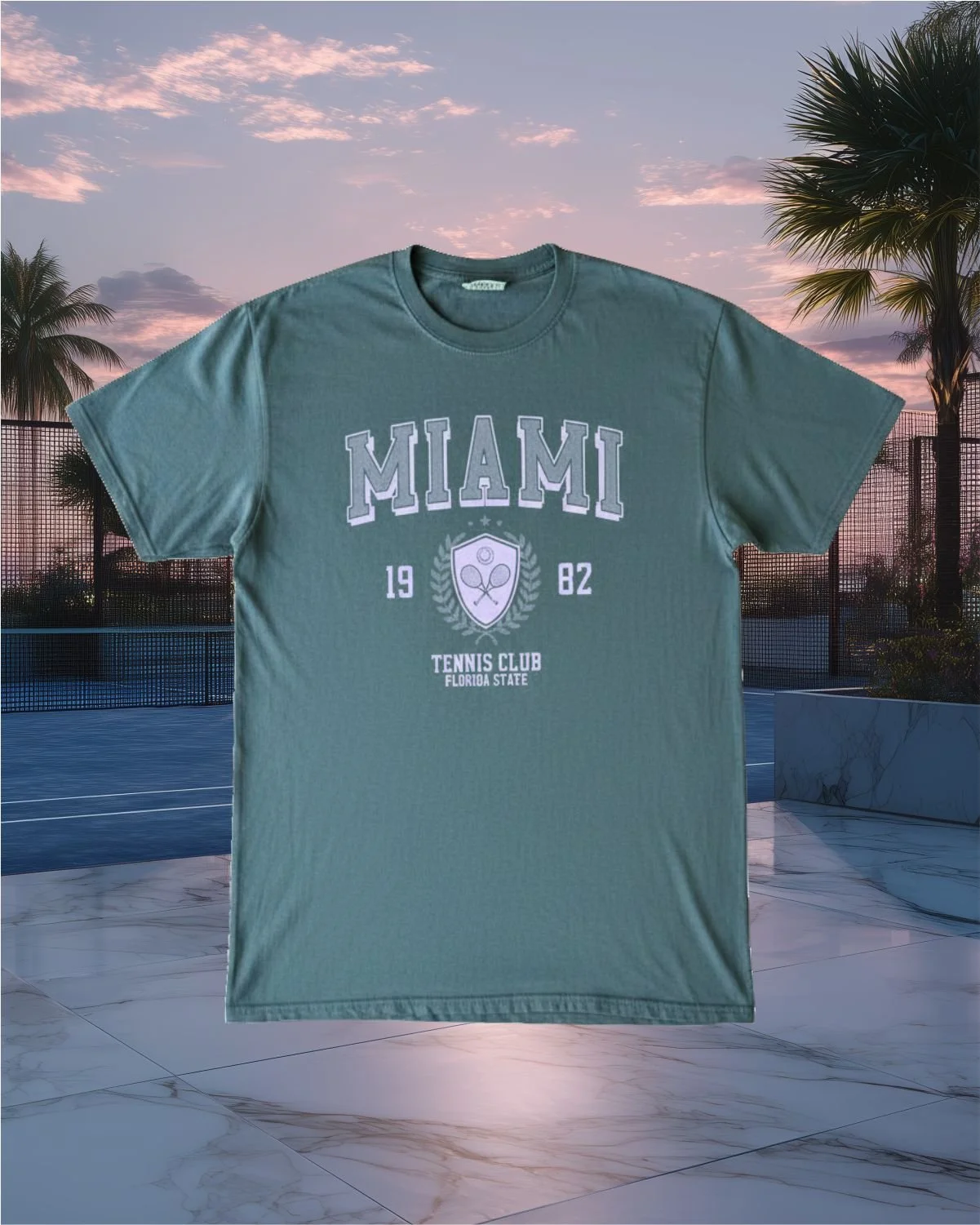
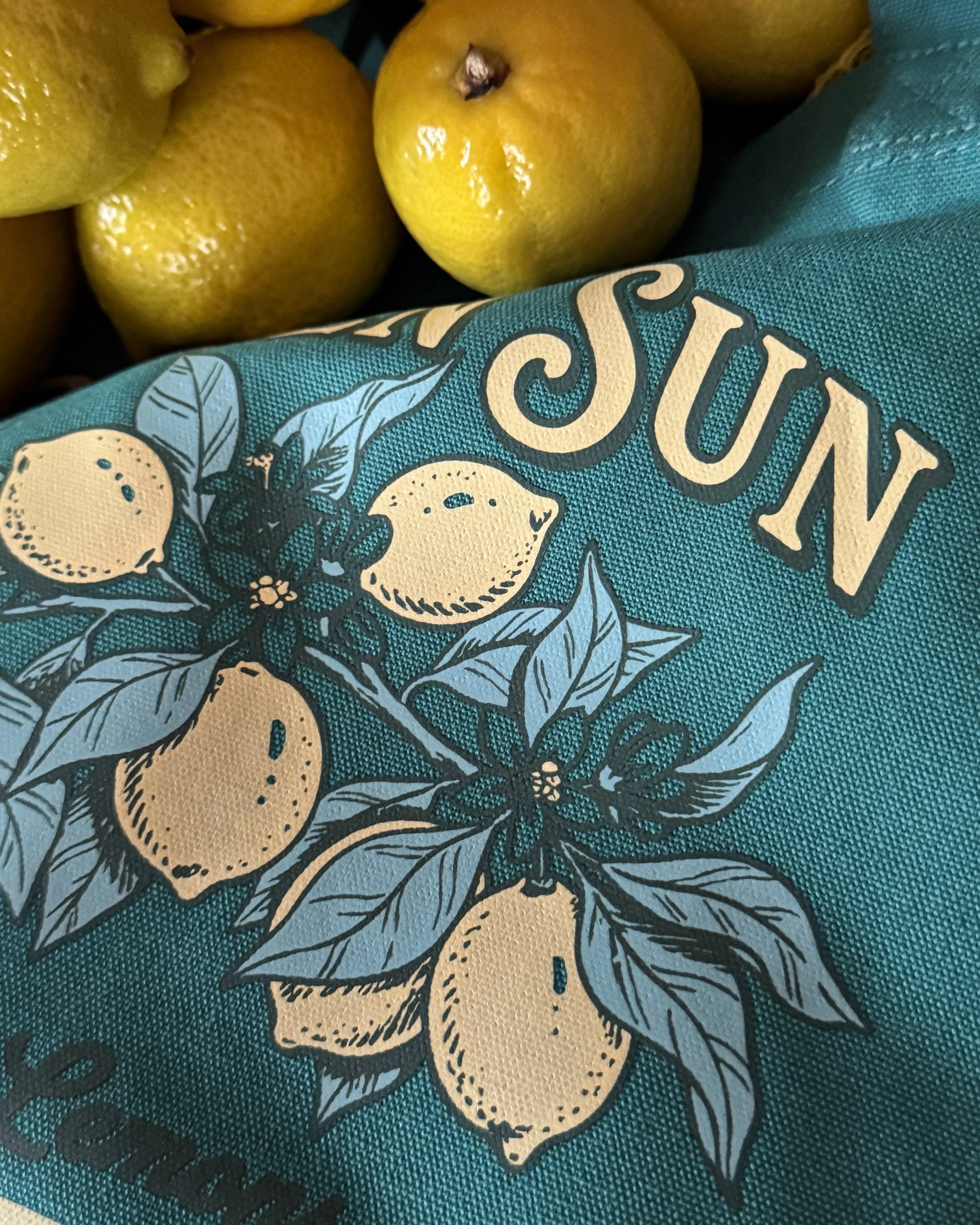
Howard Multi-Purpose with halftones on a Port & Company PC099 Beach Wash Garment-Dyed Tee in Nordic Green
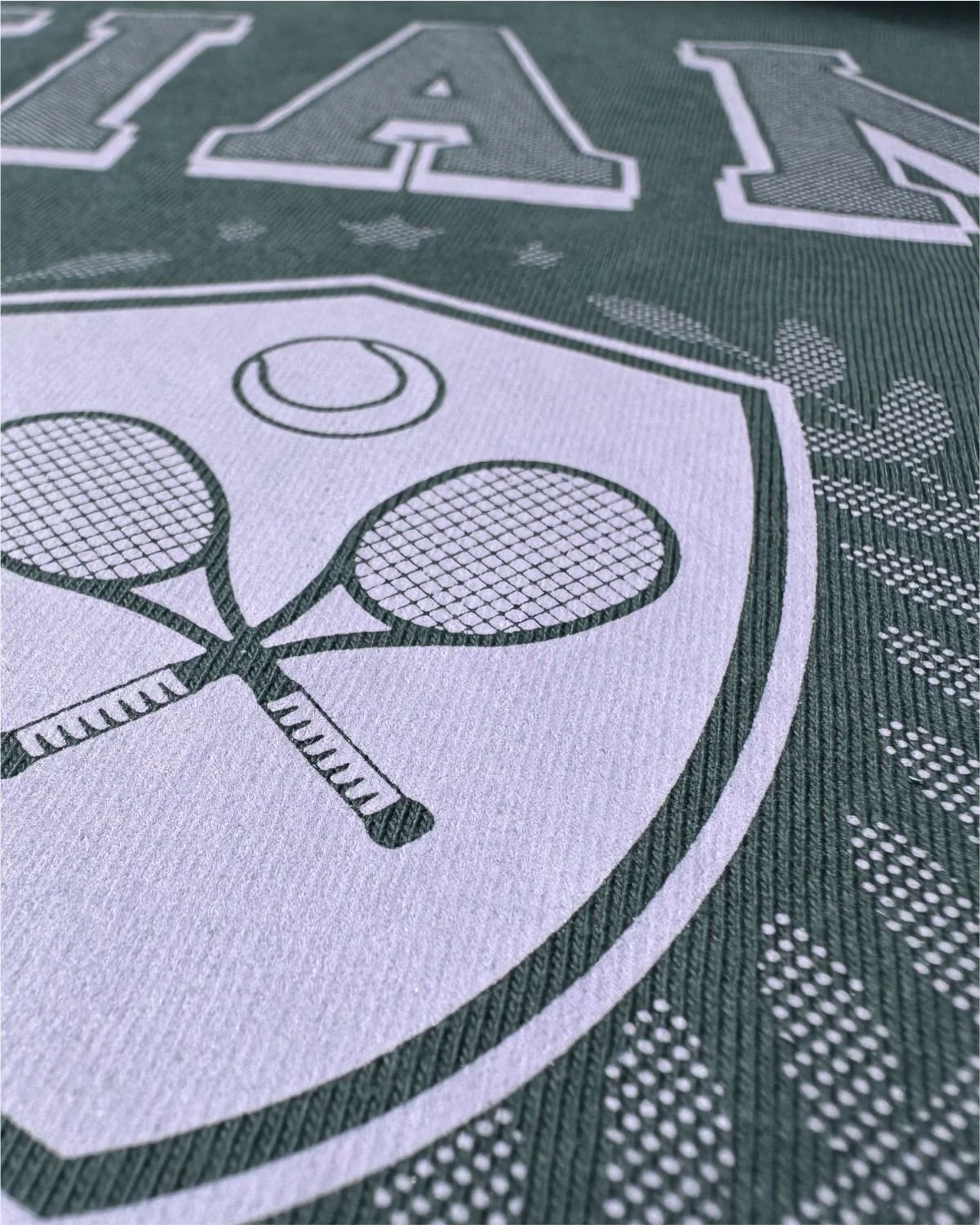
Howard Multi-Purpose with halftones on a Port & Company PC099 Beach Wash Garment-Dyed Tee in Nordic Green
Ignoring Seasonality — Especially in Summer
Seasonality is one of the most overlooked factors in merch performance.
A design that works in one season may feel completely wrong in another. Summer in particular changes everything. Bright outdoor light, heat, and increased activity all affect how merch is perceived and worn.
Heavy ink coverage, dark garments, and overly complex artwork often feel out of place in this environment.
Successful summer merch tends to use:
• Lighter garments with softer, sun-faded color palettes
• More breathable visual design; less solid ink, more garment showing through
• Simpler composition with clearer hierarchy
• Color choices that feel natural in outdoor light rather than under studio conditions
It is not about designing less. It is about designing in a way that feels appropriate for the conditions it will be worn in.
Your Merch Has No Cohesion
Another reason designs do not sell is fragmentation.
Instead of feeling like part of a system, most merch is treated as individual pieces. Different styles, different color directions, and unrelated themes create a disconnect for the buyer.
When merch feels disconnected, it feels less intentional. And when it feels less intentional, it feels less valuable.
Stronger collections share:
• A unified color direction across every piece
• A consistent mood or aesthetic that carries through the range
• Design elements that echo each other without being identical
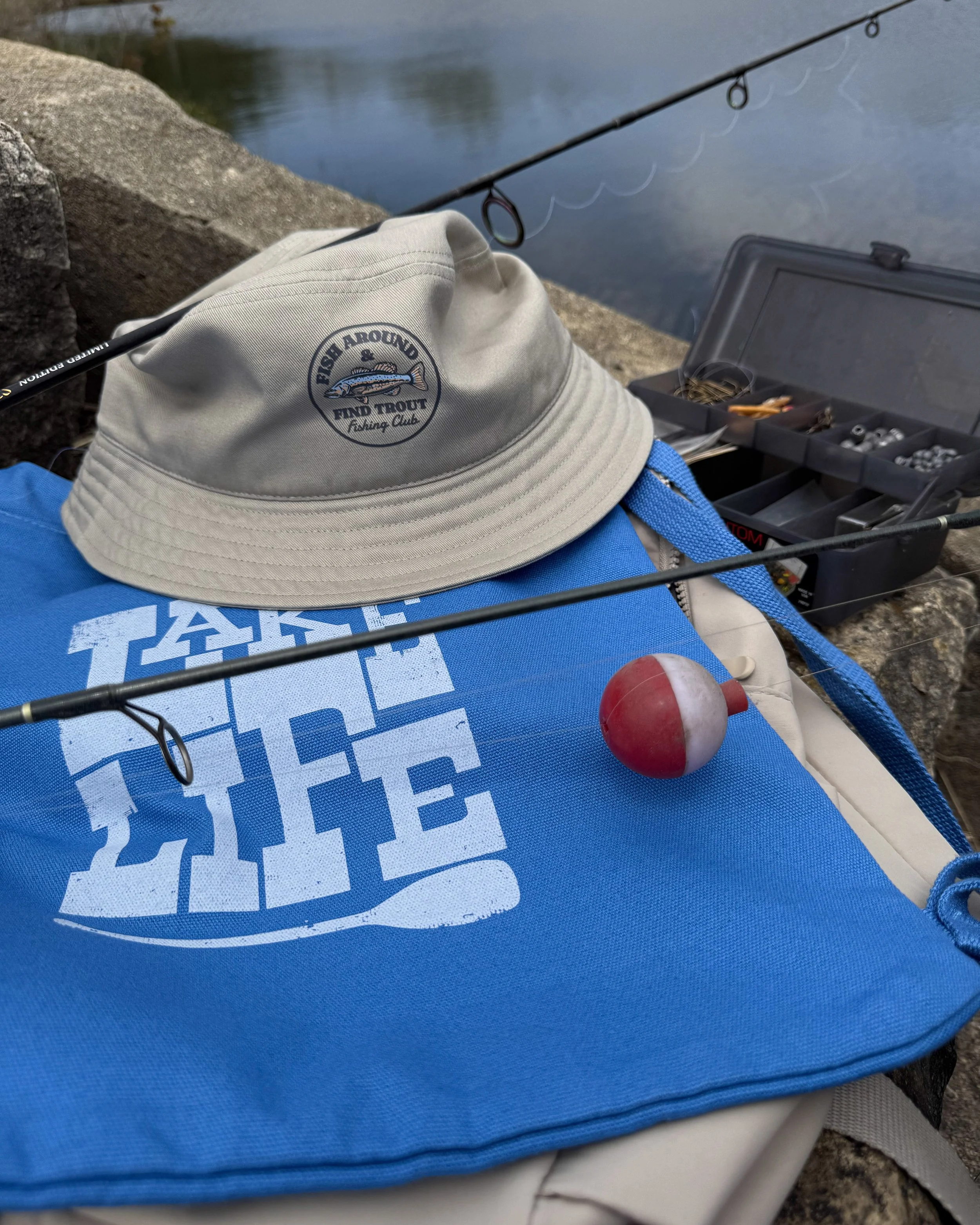
• Intentional product pairing across tees, hats, and carry goods
Even simple cohesion across pieces can dramatically increase perceived value.
Playing It Too Safe
Safe design rarely stands out.
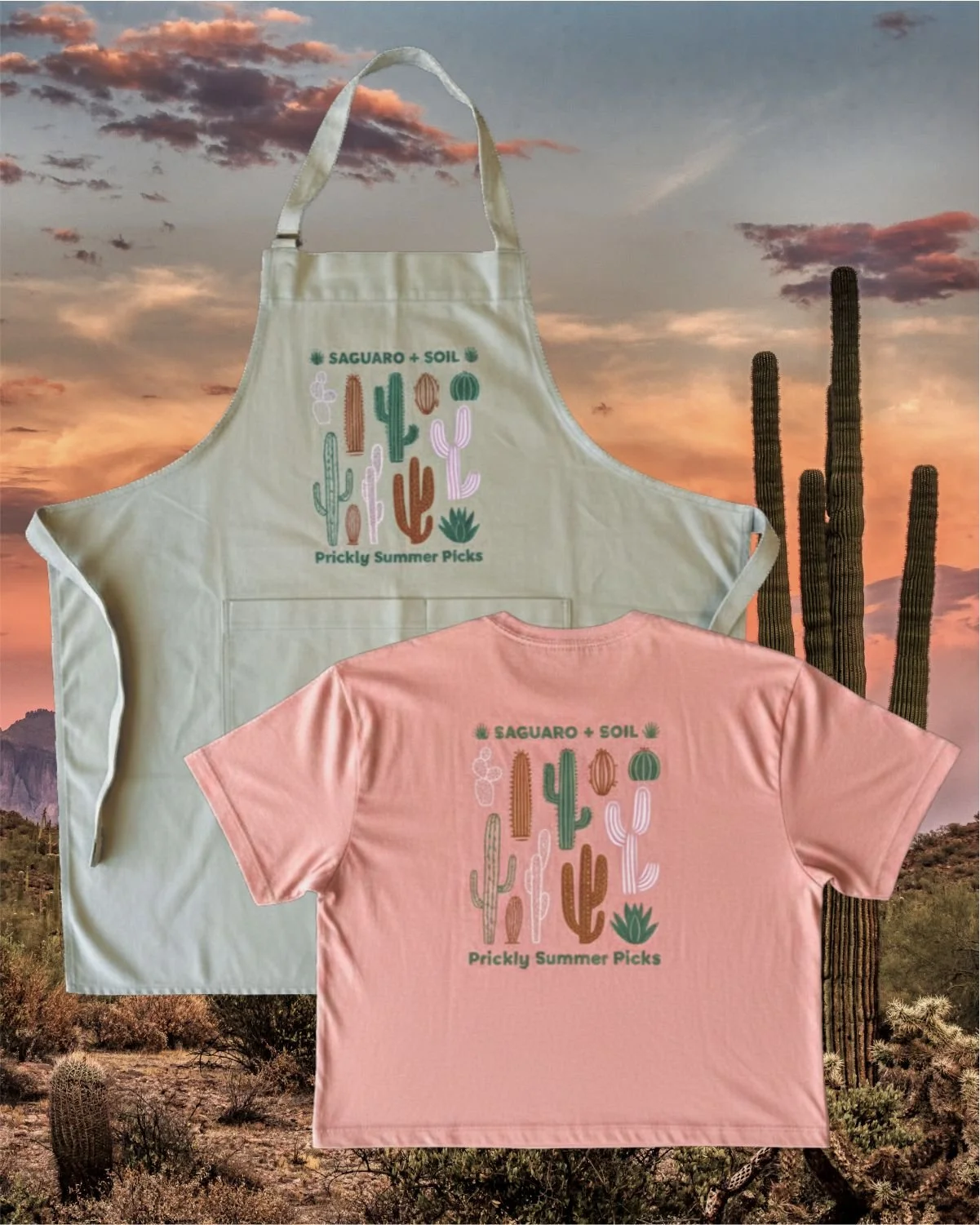
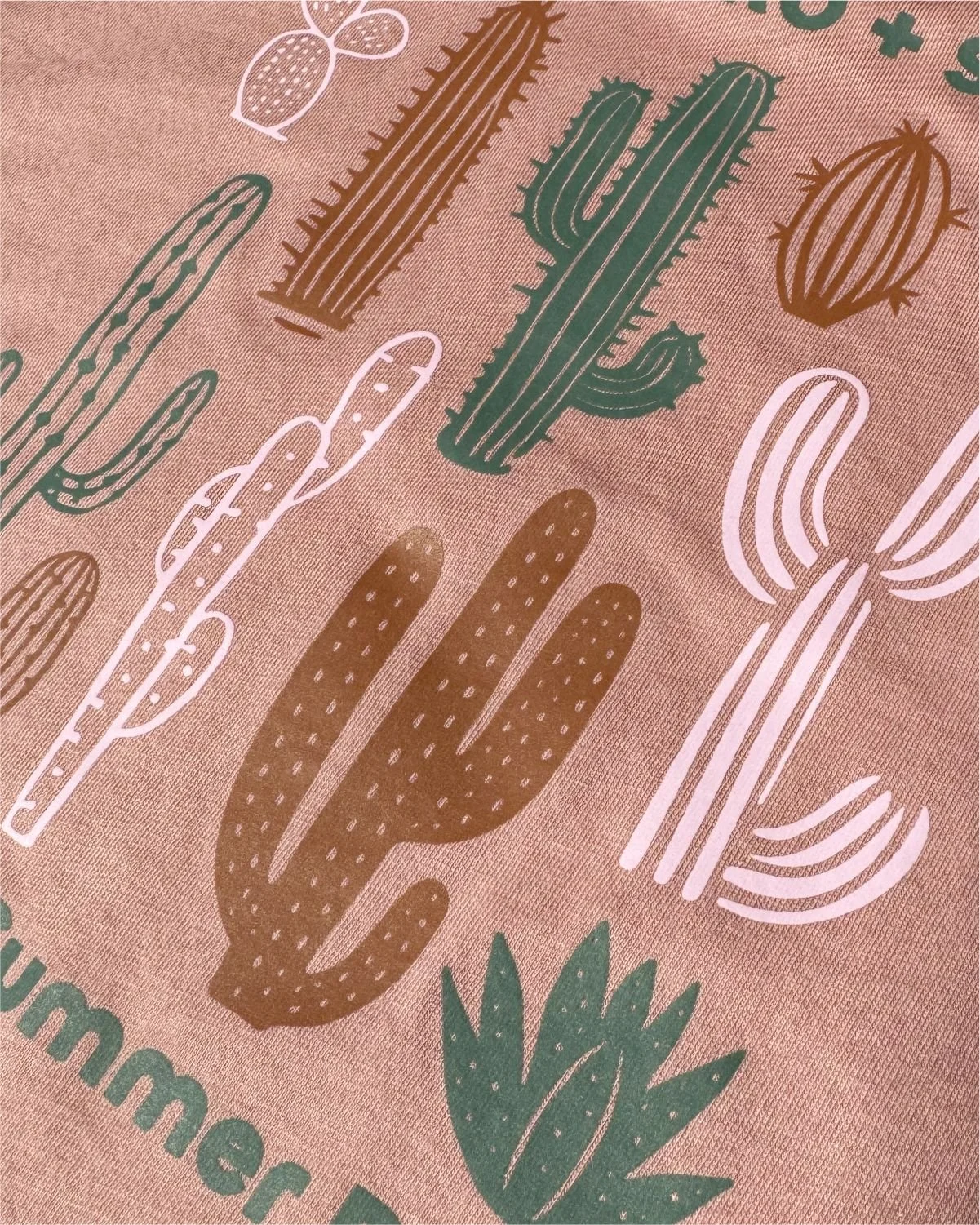
Many underperforming pieces fail because they are designed to avoid risk. Small graphics, generic placements, and overly minimal execution might feel safe, but they also feel forgettable. The same is true for finish choices. Defaulting to a standard print when a vintage wash or puff finish would have elevated the piece is the same kind of missed opportunity. The artwork might be right. The thinking behind the execution was not.
In real-world summer environments, merch is competing with noise. Festivals, events, travel, and social settings all demand visibility.
Safe design disappears in that context.
The fix is not to overcomplicate artwork. It is to use scale, placement, and contrast with intention so the design has presence without becoming heavy or cluttered. A small left chest logo on a mid-tone blank disappears in a festival crowd. The same artwork scaled across the back of a garment-dyed tee with open space around it stops people. The design did not change; the thinking behind it did.
Not Thinking Like a Retailer
Decorators often think in terms of production. Retailers think in terms of presentation.
Retail thinking changes everything. Instead of asking how a design looks on a blank shirt, you start asking how it looks:
• On a rack
• In a photo
• In a collection
• Next to other items
Merch is rarely sold in isolation. It is sold as part of an experience.
When you think like a retailer, you start designing for how people encounter the product, not just how it looks when finished.
That shift alone improves decision making across color, placement, and structure.
Selling the Product Instead of the Story
Most customers do not buy ink or fabric. They buy meaning.
A design that is only visually interesting has limited emotional pull. A design that connects to a place, event, identity, or lifestyle gives people a reason to care.
When merch is presented as just a product, it competes on appearance alone. When it is tied to a story, it competes on relevance.
The strongest designs usually answer a simple question: why does this exist, and who is it for?
A brewery tee that exists because it is summer, it is tied to an outdoor taproom series, and it is built for the regulars who show up every Friday. That is a design with a reason. That reason is felt before the customer reads a single word.
If that answer is clear, the design becomes easier to sell even if it is visually simple.
Fix the Approach — Not Just the Artwork
If your designs are not selling, the instinct is often to add more. More detail, more color, more complexity.
In most cases, the opposite is true.
Better results come from:
• Designing for the customer, not yourself
• Respecting seasonal context across color, weight, and finish
• Building cohesive collections instead of isolated pieces
• Using scale and placement with intent
• Thinking in retail terms, not production terms
• Telling a clear story instead of just showing a graphic
When the approach improves, the design naturally improves with it.
Before creating your next collection, it helps to step back and look at how these ideas show up in real merch environments in the Summer Merch Playbook.
FAQ: Why T-Shirt Designs Don’t Sell
Is poor design the main reason merch does not sell?
Not usually. Most issues come from misalignment between the design and the customer, not the technical quality of the artwork. A design can be visually strong and still fail if it is not built for the right person, place, or season.
How important is seasonality in merch design?
Very important. Seasonal context affects color, weight, placement, finish choice, and how wearable a design feels in real environments. Summer in particular changes all of these at once.
Should I make simpler designs to sell more?
Not necessarily simpler, but more intentional. Clarity and relevance matter more than complexity. A bold, well-placed graphic with the right finish will outsell a detailed design that does not connect.
Why do some designs look good but still not sell?
Because visual appeal alone is not enough. Merch needs to connect to a customer, a use case, or a story. If a buyer cannot picture themselves wearing it somewhere real, the design stays on the rack.
What is the fastest way to improve selling performance?
Start designing for a specific audience and real-world situation instead of designing in isolation. Knowing who is wearing it, where, and why makes every design decision faster and more focused.