
Vintage Wash Heat Transfers for Retail-Ready Apparel
This article is part of our Print with Personality series, where we explore how specialty screen print transfers influence perception, positioning, and pricing in the decorated apparel industry.
Vintage Wash transfers aren’t just a soft-hand option—they’re a retail-level strategy. By letting the garment color subtly blend with semi-transparent ink, these specialty finishes signal premium quality, elevate perceived value, and give decorators a strategic tool to justify higher-tier pricing.
Why Vintage Wash Works as a Premium Retail Lever
Vintage Wash isn’t flashy. Its power comes from subtlety, tact, and intentional design. When applied thoughtfully, it transforms standard tees, hoodies, and totes into garments that feel carefully crafted and retail-ready.
Soft hand feel: The thin, bleed-through ink ensures garments remain comfortable and luxurious to the touch.
Color integration: Semi-transparent ink allows the shirt color to influence the final appearance, adding depth and sophistication.
Subtlety signals quality: Restraint communicates craftsmanship; garments feel considered, not mass-produced.
By positioning Vintage Wash as a premium finish, decorators can naturally move customers into Enhanced or Premium tiers without pushback.
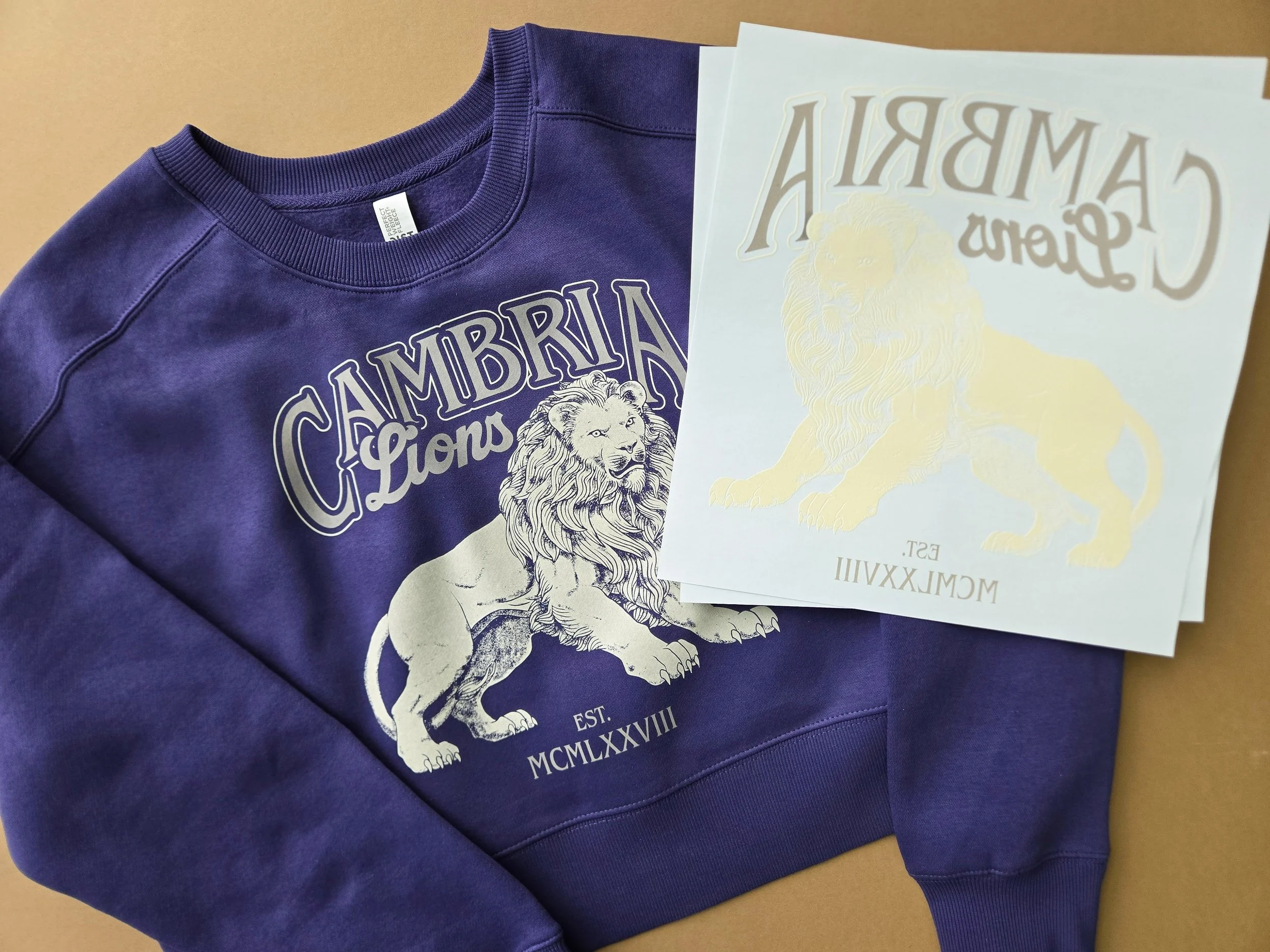
Vintage Wash printed on a Tanzanite District Women’s Perfect Weight Fleece Cropped Crew DT1105 by SanMar
Buyer Behavior and Market Segments
Understanding who gravitates toward Vintage Wash helps decorators frame upgrades strategically. This finish performs exceptionally well in markets where perceived quality drives decisions:
Boutique and lifestyle brands: Customers expect subtle, thoughtful design. Vintage Wash creates a tactile, high-end feel that aligns with boutique retail.
Corporate spiritwear: Professionals and corporate gifting programs value soft, comfortable garments that communicate quality without loud branding.
Specialty retail drops and limited editions: The understated look makes the garment feel exclusive, encouraging repeat purchases or premium pricing.
By recognizing these buyer behaviors, decorators can guide customers toward finishes that feel intentional rather than arbitrary, increasing conversion and average order value.
Strategic Tips for Artwork and Placement
Vintage Wash works best when designs are planned around its unique characteristics.
Design with openings: Allow areas of the garment to show through parts of the design to maximize soft-hand feel.
Layer thoughtfully: Pairing Vintage Wash with opaque Howard Multi-Purpose ink accents can create hierarchy and visual interest without heavy coverage.
Consider garment color: Dark and light garments both work—what matters is how the ink interacts with the shirt color to create a blended, retail-ready effect.
Use distress patterns intentionally: Incorporating distressed textures, worn edges, or vintage-style erosion in the artwork can enhance the bleed-through effect and reinforce the aged, lived-in look Vintage Wash is known for.
Keep details clear: Avoid intricate halftones or extremely busy artwork that can over complicate and reduce the elegance of the finish.
These principles ensure Vintage Wash transfers feel intentional, sophisticated, and consistent across product lines.
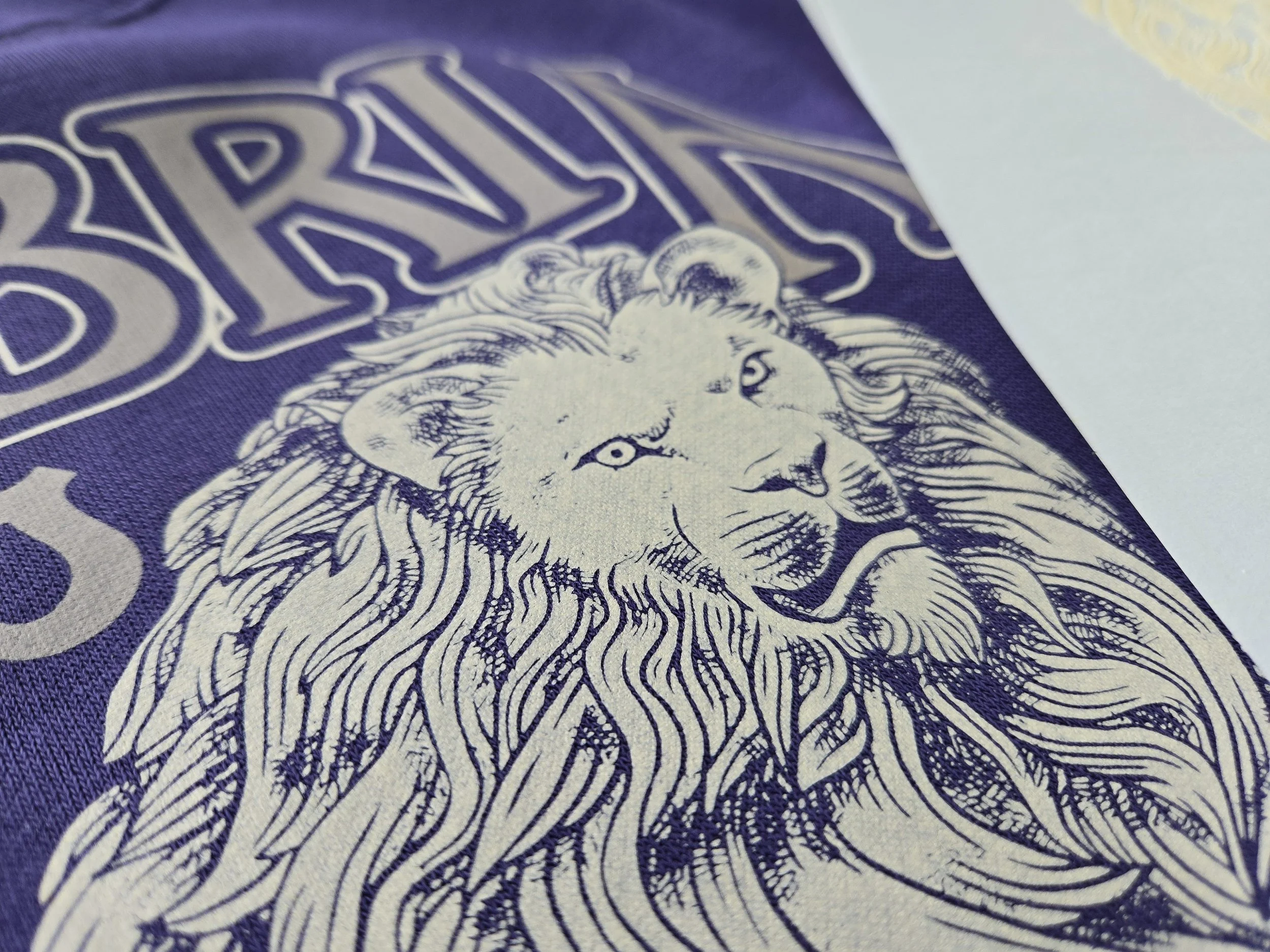
Vintage Wash printed on a Tanzanite District Women’s Perfect Weight Fleece Cropped Crew DT1105 by SanMar
When Vintage Wash Isn’t Ideal
Despite its versatility, Vintage Wash isn’t perfect for every order:
Extremely busy or intricate artwork
Budget-first promotional items where perceived value isn’t a priority
Projects requiring opaque, bright coverage
Recognizing these limitations helps decorators choose finishes strategically rather than defaulting to what’s trendy.
Pricing and Positioning
Premium baseline: Vintage Wash is positioned as a premium retail lever. The soft-hand, subtle finish allows decorators to price at a higher tier without appearing gimmicky.
Margin-friendly upgrade: Vintage Wash delivers a premium, retail-ready finish at no additional cost over standard Howard Multi-Purpose prints, giving decorators an instant lift in value—and an extra boost to profit margin.
Strategic upsells: Framing Vintage Wash as an intentional design upgrade reduces price pushback and naturally encourages higher-value purchases.
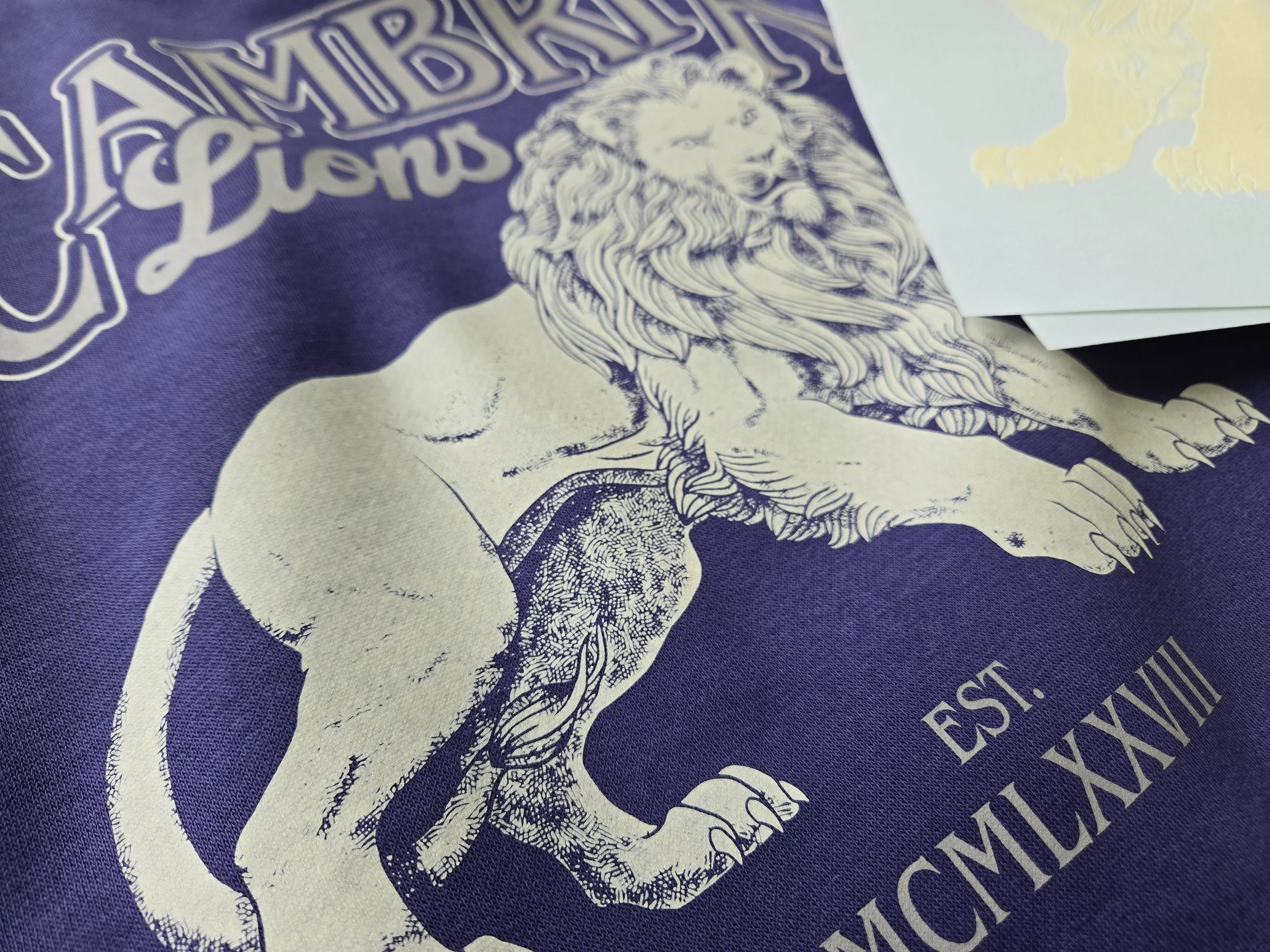
Vintage Wash printed on a Tanzanite District Women’s Perfect Weight Fleece Cropped Crew DT1105 by SanMar
The Strategic Takeaway
Vintage Wash isn’t about showing off—it’s about showing quality. By embracing subtlety, soft hand, and color integration, decorators can elevate the perceived value of garments, reinforce retail positioning, and confidently offer premium upgrades. When applied strategically, Vintage Wash transfers become a silent differentiator that communicates craftsmanship, exclusivity, and attention to detail—without needing extra colors, textures, or gimmicks.
Frequently Asked Questions About Vintage Wash Screen Print Transfers
What makes Vintage Wash different from standard plastisol transfers?
Vintage Wash uses semi-transparent ink that blends with the garment color, creating a soft hand and subtle, retail-level finish.
Are Vintage Wash transfers durable?
Yes. Despite the thin, soft feel, Vintage Wash transfers maintain durability comparable to standard plastisol when applied correctly.
Can Vintage Wash be ordered with standard or other specialty inks?
Absolutely. Layering finishes adds hierarchy and focus without sacrificing the aesthetic.
Which garments are best for Vintage Wash?
Tees, hoodies, and totes work especially well. Both light and dark garments can be used strategically to enhance subtlety and integration.
When shouldn’t I use Vintage Wash?
Avoid extremely busy or detailed artwork, heavily budget-driven projects, or designs needing fully opaque coverage.
Up Next in the Series
Next week, we explore Designing for Specialty Screen Print Transfers: A Q&A with a Former Production Artist—offering insider strategies to make every finish work smarter, not harder.