

5 Ways to Print Camo Without Fighting the Pattern
Every camo pattern changes how artwork reads, so a successful print starts with more than choosing a bright ink. Discover five practical ways to use contrast, opacity, artwork hierarchy, dimensional texture, and intentional show-through to create camo apparel with a clear visual strategy.
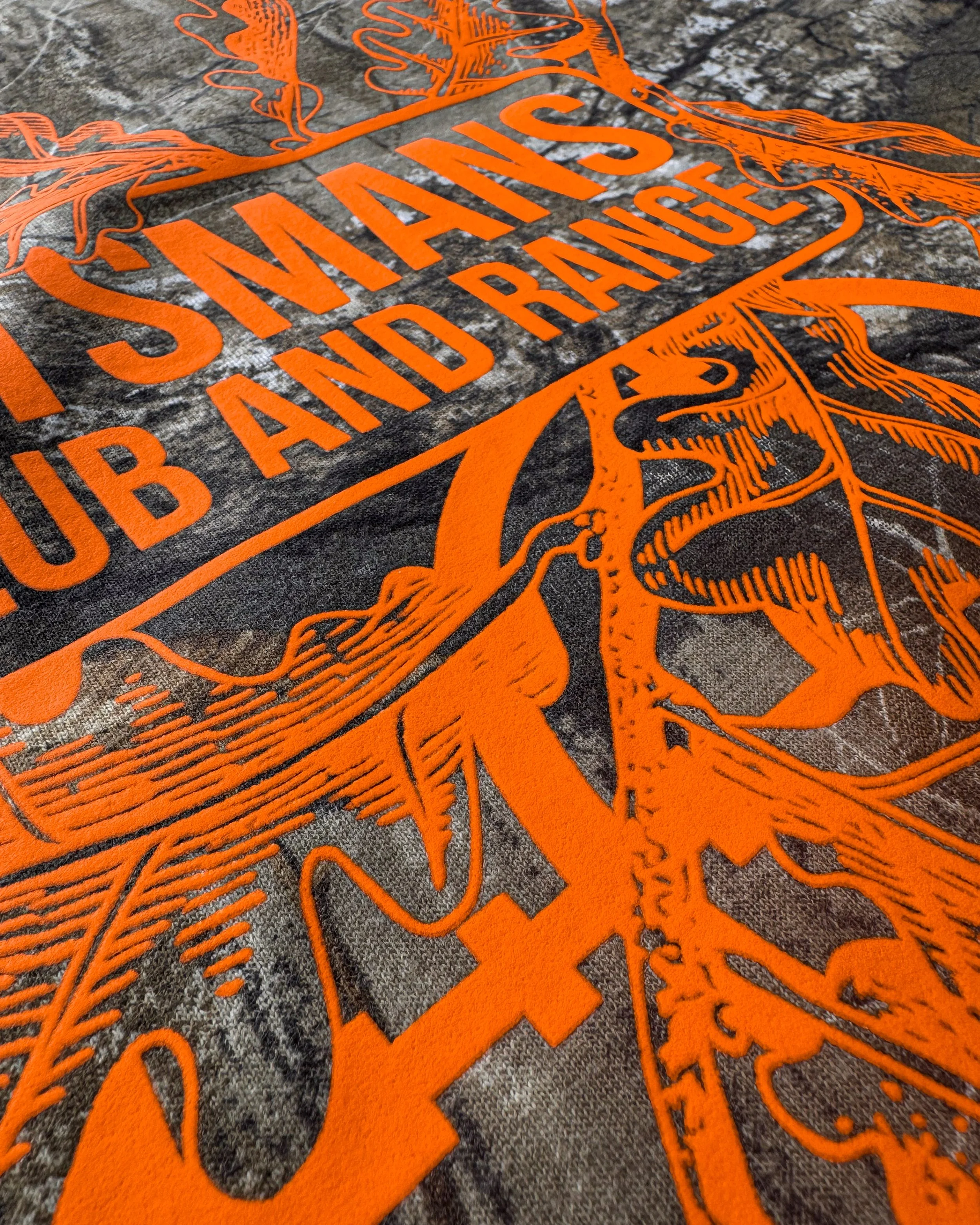
The Camo Collection: Four Merch Concepts and One Three-Finish Experiment
Four camo garments. Four markets. Four completely different directions. See how artwork, garment choice, and heat transfer finish shaped each concept, then compare what happens when the same design meets three different transfers.
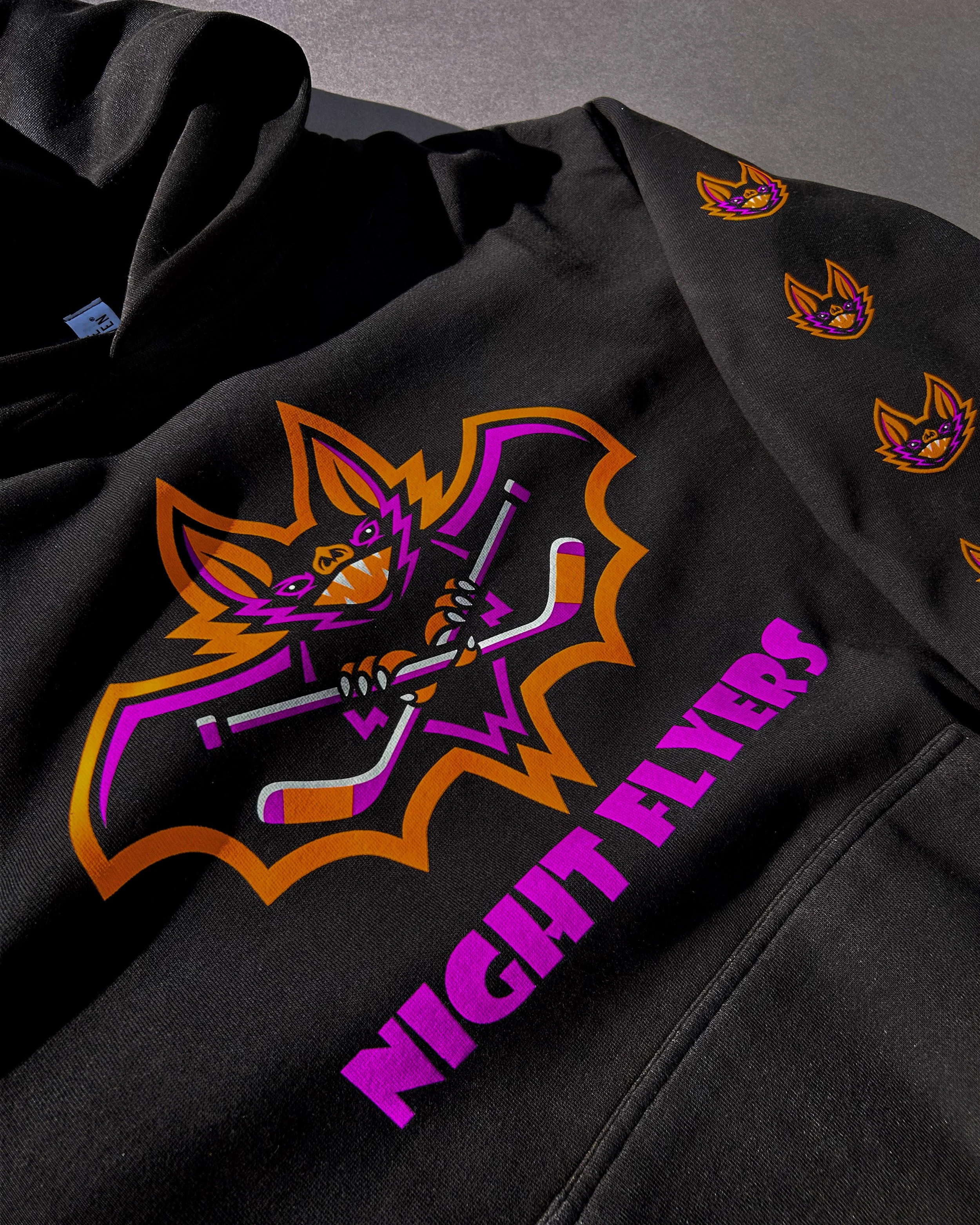
Choose the Right Transfers for Your Fall Merch
Fall merch deserves better than a one-finish-fits-all answer. The right heat transfer can change how a design hits on dark apparel, feels in hand and expands across a product collection. Here’s what apparel decorators should consider before choosing a transfer for seasonal merchandise.

A Different Take on Designing Fall Merch
Seasonal merch shouldn’t expire faster than the candy bowl. So why do some fall designs earn a spot in the weekly rotation while others disappear with the decorations? We’re looking past the expected pumpkins and predictable fall palette to uncover what gives seasonal artwork more personality, more staying power and a better chance of being worn again.

Introducing HCT Assist: You Sell It. We’ll Handle the Rest.
Introducing HCT Assist, a new way for apparel decorators to access additional production support when a project exceeds their available time, labor, or capacity. See how HCT can help with garment coordination, transfer application, finishing, packing, shipping, and approved web store programs.
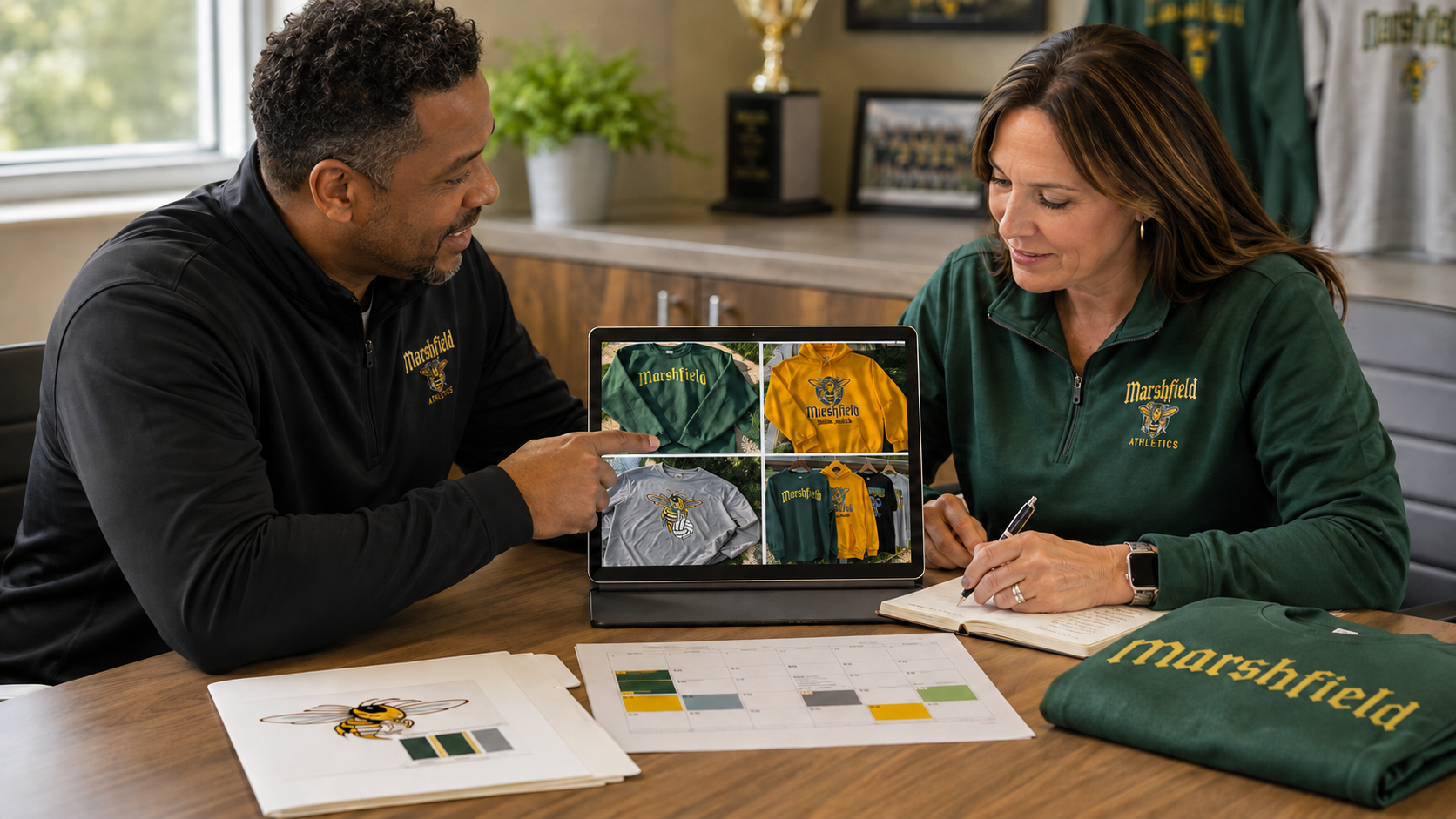
Why Established School Decorators Are Harder to Replace
A competitor can copy your product mix, challenge your pricing, and promise a faster turnaround. What they can’t copy is years of knowing the school’s brand, approval process, pressure points, and product history. Here’s how decorators can put that hard-earned context to work, deliver more value with every season, and build a relationship that another quote can’t easily replace.
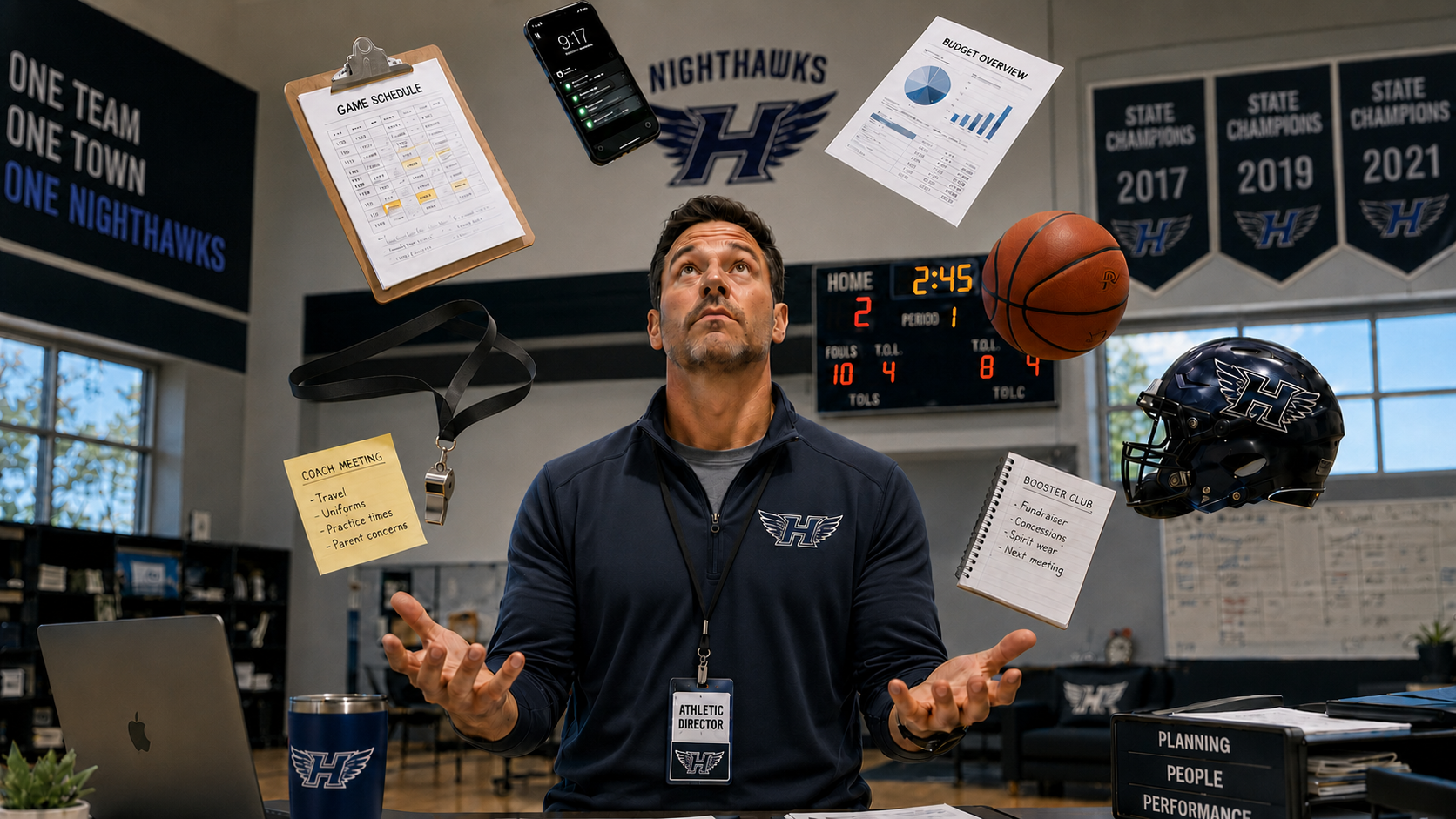
What Athletic Directors Really Want From a Decorator
The best pitch to an athletic director may have very little to do with shirts. Behind every apparel conversation is a packed schedule, a pile of decisions, and one pressing question: How much more work will this create? Discover how proactive communication, clearer processes, and fewer loose ends can turn “another vendor” into the partner who makes the whole program easier.
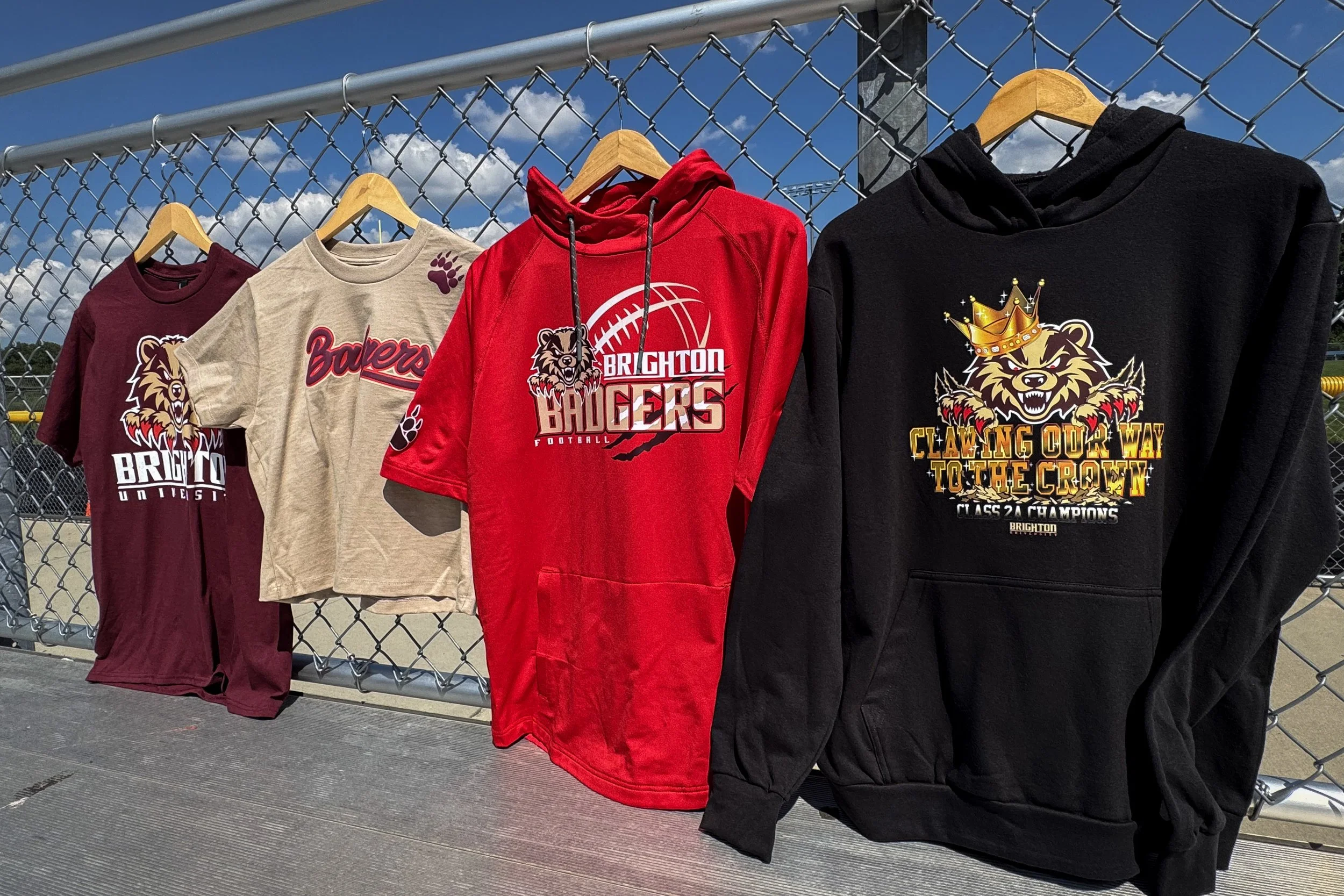
When More Merch Means Fewer Sales: How to Build a Smarter School Store
More products can make a school store feel more complete, but when too many options serve the same purpose, shoppers are left comparing instead of buying. Learn how to replace an overcrowded catalog with a focused collection that gives every product a role, every supporter a clearer choice, and schools more confidence in what they promote.
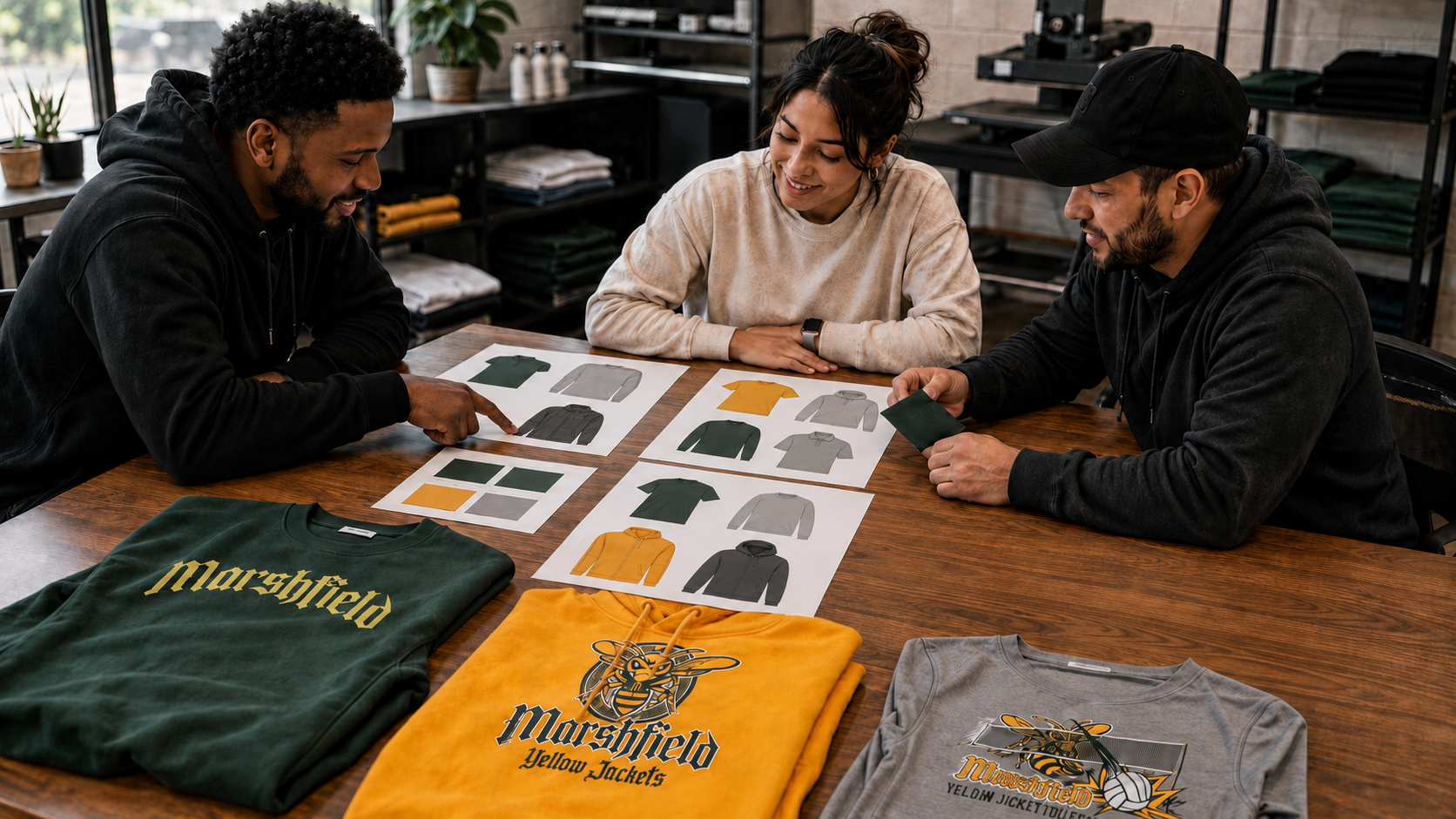
The Hidden Cost of Starting Over on Spirit Wear Every Season
Winning the same school account season after season should make the work easier, but too many decorators rebuild the artwork, store, product mix, and marketing from scratch every time. Discover how turning disconnected spirit wear campaigns into a repeatable program can reduce rework, preserve momentum, and make each account more valuable over time.
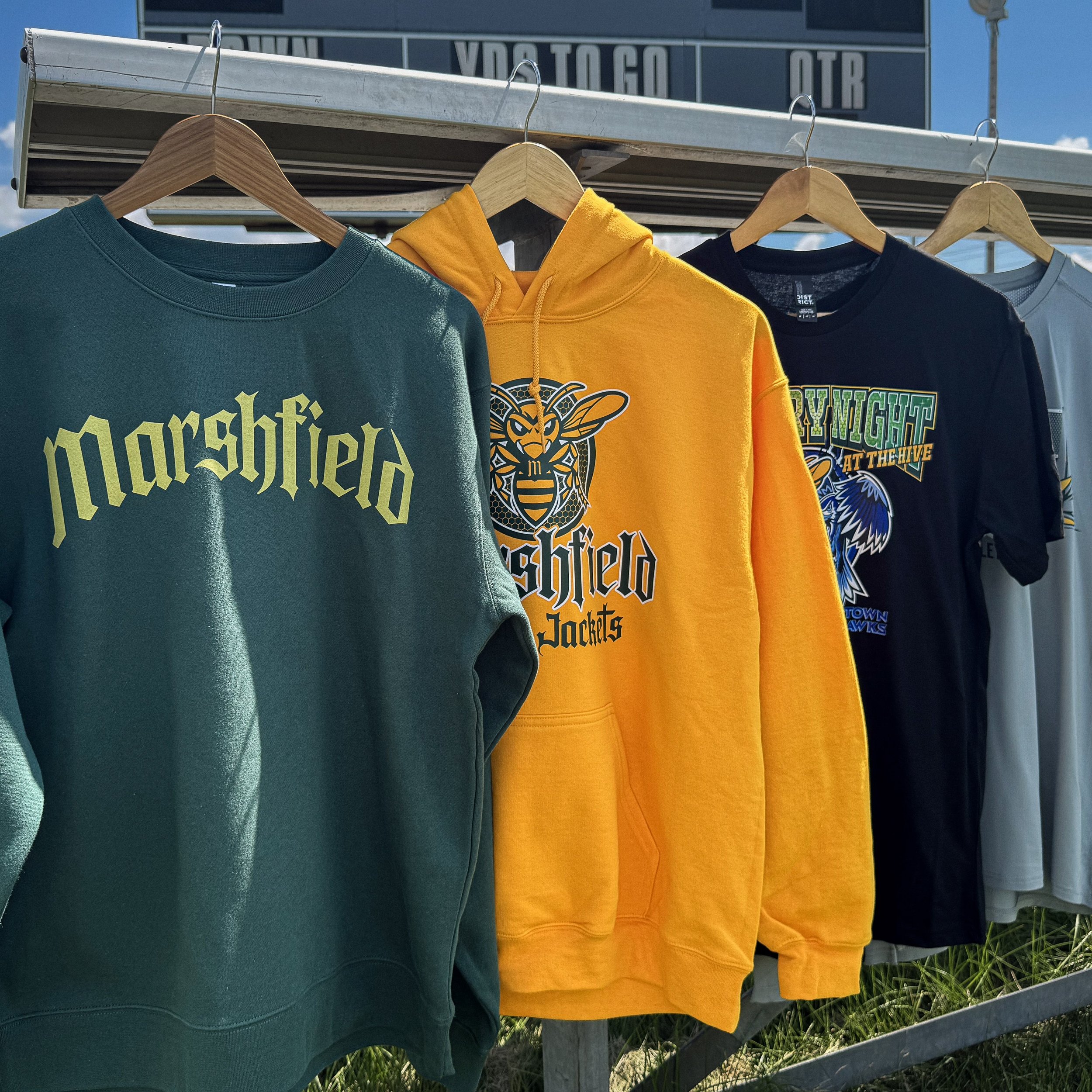
Team Shop Reboot Case Studies
Three schools. Four collections. One decorator who showed up with a plan instead of a catalog — and walked out with programs that reorder every season. See exactly how Legacy Athletic, Modern Performance, Student Lifestyle, and Event Drop each solve a different school apparel problem — from heritage design to event drops built around real rivalry nights — with garment choices, transfer strategy, and pricing logic you can take straight into your next school meeting.