
The advantage isn't a bigger catalog. It's the context you build season after season.
A competitor can copy your product mix. They can offer similar garments, promise a comparable turnaround, and walk into the next meeting with an aggressive price.
What they can't copy is everything you know about how the account actually works.
You know which logo file causes problems, who needs to approve artwork, when homecoming orders really have to start, which hoodie parents bought last season, and which seemingly small detail can hold up an entire launch.
That context is where replaceability begins to disappear. Not because the school is trapped, but because the relationship makes the program easier and more informed every season.
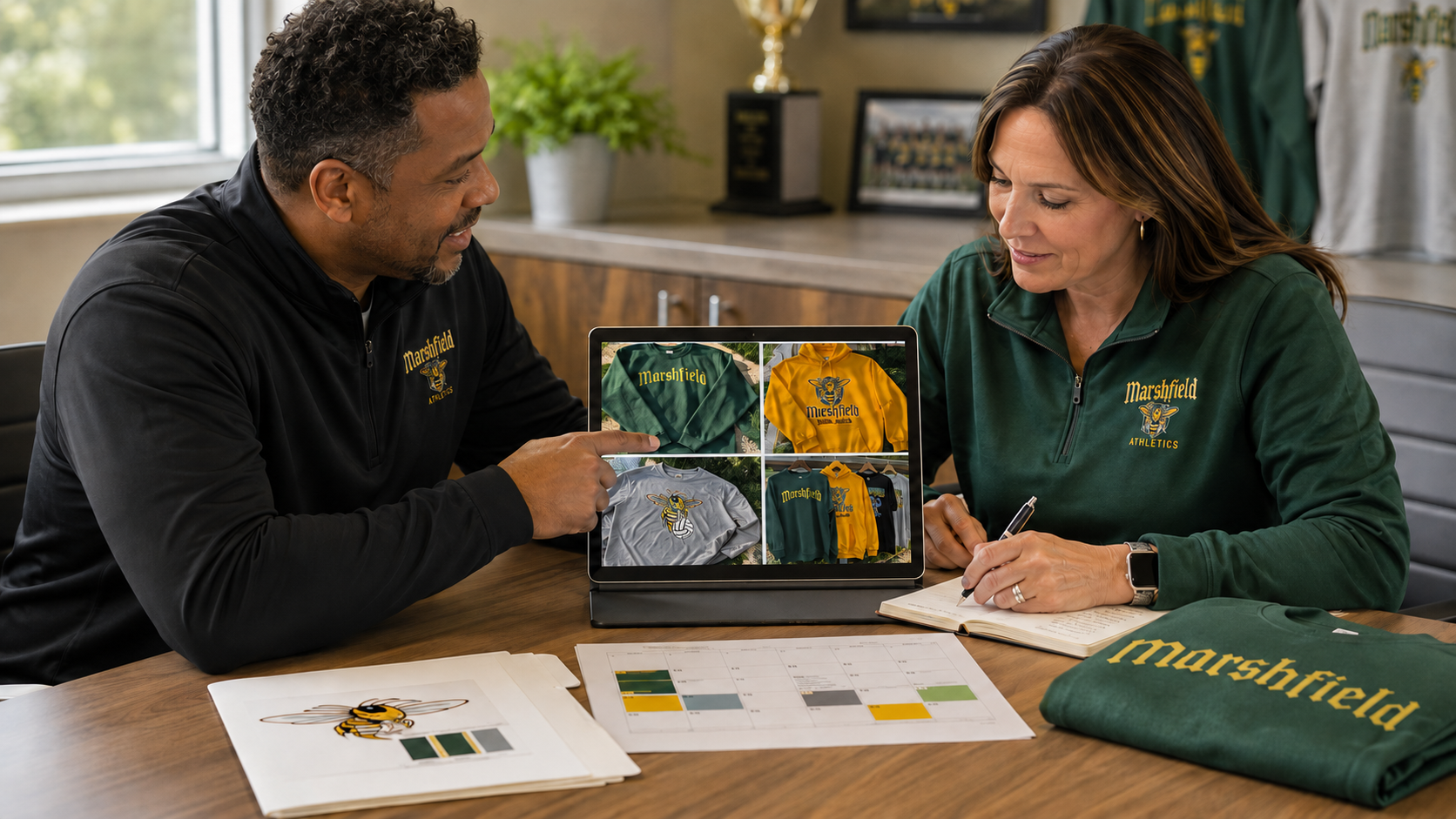
A Competitor Can Copy the Order, Not the Context
Most school relationships begin transactionally. The school has a need, the decorator fills it, the order ships, and communication pauses until the next request.
There's nothing wrong with starting there. The risk is staying there. When every campaign begins as a fresh transaction, the decorator is evaluated on the same short list each time: price, product, turnaround, and responsiveness. Those factors matter, but competitors can make similar promises.
The relationship becomes more durable when your value extends beyond the order in front of you. Each project should leave the next one with better artwork, clearer standards, stronger product knowledge, and fewer decisions to repeat.
The order is temporary. The context you build from it shouldn't be.
The Advantage Compounds Between Orders
After several seasons, a good decorator is carrying more than files. They're carrying the operating history of the program.
They know how the school prefers to communicate. They understand where approvals tend to stall. They remember which products earned repeat orders and which ones created sizing questions. They can spot a branding inconsistency before it becomes another round of revisions.
None of that appears in a catalog or a quote. A new competitor may be able to match a price quickly. Rebuilding the same understanding takes time, attention, and repeated experience.
That accumulated knowledge only becomes an advantage when you use it. Saving old artwork isn't enough. The value comes from turning what you learned last season into a stronger recommendation for the next one.
Take the Replacement Test
Imagine another decorator took over the account tomorrow. What would the school have to explain all over again?
Brand system: Which marks are current, which files are approved, and where consistency tends to break down?
Decision path: Who reviews the work, who gives final approval, and what usually slows the process?
Seasonal pressure: Which dates look flexible on paper but create real pressure for coaches, parents, or staff?
Product history: What sold, what stalled, what created questions, and what deserves another run?
Working preferences: How does the school want updates, recommendations, and problems handled?
If most of that knowledge would have to be rebuilt, you've created meaningful context. If very little would change, the relationship may still depend mostly on the next quote.
The goal isn't to keep information from the school. It's to organize it, apply it, and make staying obviously valuable.
Stop Waiting for the Next Request
The relationship often changes the first time you bring the school something useful that it didn't have to ask for.
This doesn't mean sending another product pitch. It means noticing a gap, connecting it to what you already know, and recommending a practical next move.
Notice → Connect → Recommend
Notice
The fall store has nothing for alumni even though homecoming is approaching. Several teams are using slightly different versions of the mascot. A popular hoodie sold well but generated preventable sizing questions.
Connect
Tie the observation to the program rather than treating it as an isolated problem. The missing alumni piece is a merchandising gap. The drifting mascot is a brand-system issue. The sizing questions are a store-communication problem.
Recommend
Return with a focused answer. Add one alumni-ready piece before homecoming. Lock the approved artwork into one organized source. Improve the product description or size guidance before the hoodie returns.
Small observation. Clear recommendation. Less work for the school.
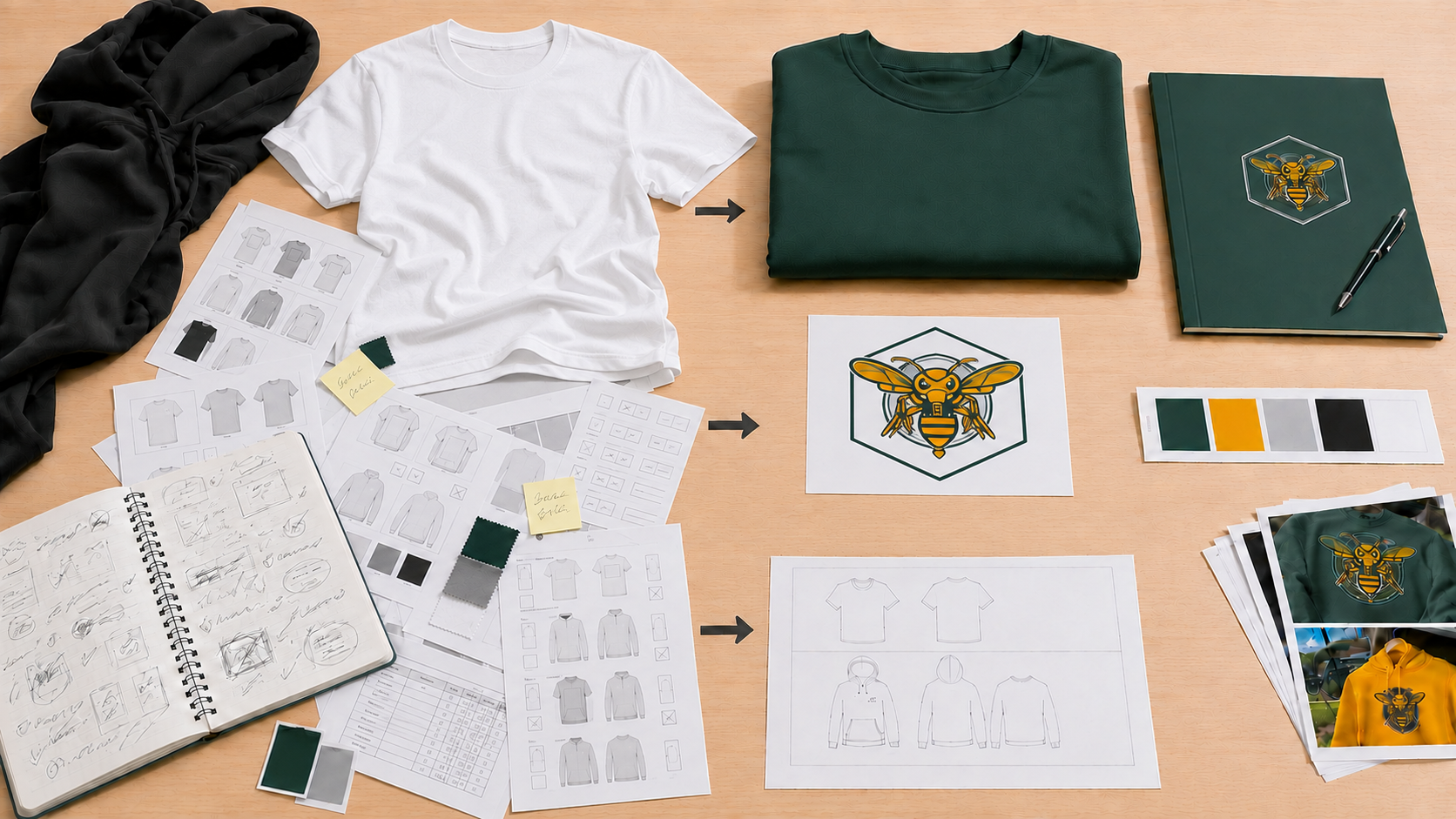
Change the Question, Change the Account
The most limiting question a decorator can ask is: How do I sell more to this school?
A better question is: What should be easier, stronger, or more consistent by next season?
The first question keeps attention on the next transaction. The second encourages you to improve the program around it. That shift can lead to better recommendations, fewer resets, and a relationship that grows more useful with every campaign.
It also changes what happens when a lower quote appears. Price still matters, but it's no longer the only value being compared. The school is also weighing continuity, judgment, organization, and everything it would have to rebuild with someone new.
Make Staying Obviously Valuable
Being hard to replace doesn't mean making it difficult for a school to leave. It means making the value of the relationship broader than a single order.
Carry the lessons forward. Anticipate the next pressure point. Keep the brand from drifting. Make each season easier to start than the one before it.
That's how a decorator moves from fulfilling school orders to helping carry the program. Competitors may be able to copy the products. They can't instantly copy the context you've earned and put to work.
Don't build dependence. Build a relationship the school would genuinely miss.
The Team Shop Reboot Playbook includes the School Discovery Guide, Pitch Framework, and planning tools decorators need to turn one-off orders into stronger school programs. Access the Playbook HERE.
Frequently Asked Questions
Q: What makes a school apparel decorator hard to replace?
A: A decorator becomes harder to replace when they build and apply useful context over time. That includes brand knowledge, approval preferences, seasonal timing, product history, and an understanding of where the process tends to create friction.
Q: What's the difference between selling school merch and building a program?
A: Selling merch focuses on completing the current order. Building a program means each campaign improves the next one through stronger organization, consistent branding, retained knowledge, and more informed recommendations.
Q: How can decorators build long-term school relationships?
A: Track what worked, preserve approved artwork, document important decisions, follow up after each campaign, and use those lessons to improve the next recommendation. The relationship becomes more valuable when the school doesn't have to start over every season.
Q: How does a decorator become a partner instead of a vendor?
A: Move beyond reacting to requests. Notice patterns, identify opportunities, and bring the school focused recommendations tied to its goals, calendar, and previous results.
Q: What do strong school merch programs have in common?
A: They tend to have consistent branding, intentional product choices, clear responsibilities, and a process that carries useful information from one season into the next.