
What Athletic Directors Really Want From a Decorator
The real decision is how much work you'll create or remove.
You walk into the meeting prepared. Samples, pricing, a mock school store, and a portfolio that proves you can handle the work. You're ready to talk products.
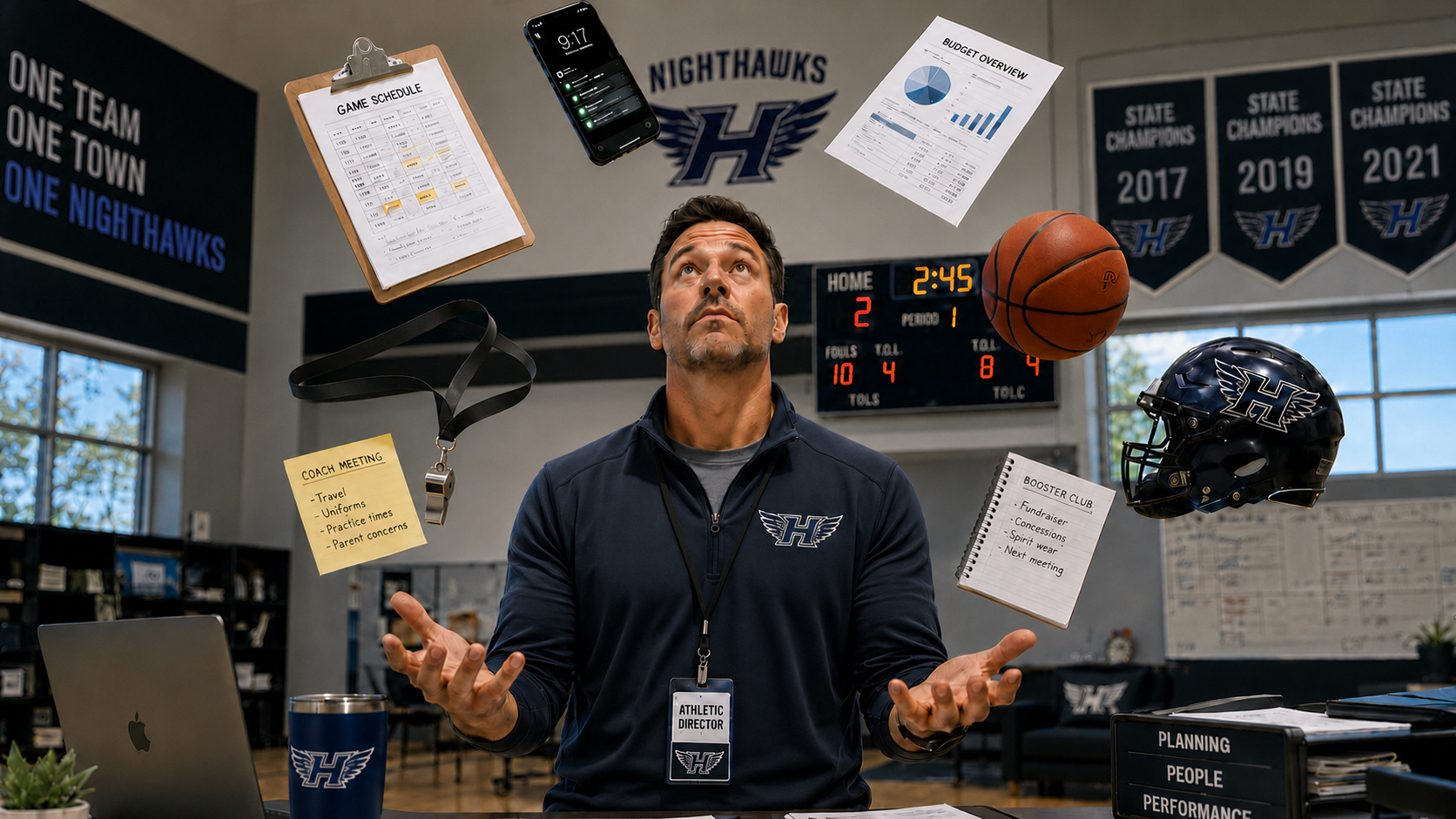
The athletic director sits down, nods, and within minutes their attention is split. Not because they're dismissive. Because they arrived at the meeting already behind.
A budget issue still needs an answer. A coach wants uniforms on a deadline that shouldn't exist. A parent thread has turned into a complaint chain. A booster club is running its own version of the process again. A district administrator wants brand consistency that hasn't existed in years.
You came in to talk about shirts. They're trying to hold the week together.
Those aren't the same conversation. The decorators who recognize the difference stop leading with what they can sell and start showing what they can take off the athletic director's plate.
The Question Behind Every Product Conversation
Athletic directors aren't entering apparel conversations with product at the top of their minds. They're entering with pressure.
They manage multiple sports, seasons, coaches, parents, booster groups, and administrators. Every group has a different priority, and most believe theirs is the most urgent. Much of that coordination lands on the same desk.
When a decorator opens with garment types, decoration methods, and a long list of options, the AD may not hear expertise. They may hear another set of decisions waiting to be made.
The question underneath the meeting is simple: How much work is this going to create for me?
Product quality still matters. Price still matters. But neither one exists separately from the experience of getting the work done. A strong product attached to a demanding process can still feel like the wrong choice.
Your Real Competition Is Another Responsibility
It's easy to enter a school meeting believing you're competing against another decorator on price, product variety, or print quality. Often, the harder competition is the athletic director's existing workload.
Every extra email, unclear approval, preventable artwork revision, and status update the AD has to request turns the apparel program into something else they must manage.
That friction doesn't usually arrive as one dramatic failure. It accumulates in small moments. A logo version is wrong. A deadline was assumed instead of confirmed. Parents don't understand the store. The AD has to ask where the order stands. Each moment sends the same signal: this isn't handled yet.
The opportunity isn't merely to avoid mistakes. It's to design a process that requires less attention from the school in the first place.
Make "Handled" the Service Standard
The goal is for the athletic director to feel one thing when your name appears in their inbox: this is handled.
What does handled actually look like? Usually, it's the difference between an athletic director chasing answers and receiving them before they have to ask.
| Responsibility | High-Friction Experience | Handled Experience |
|---|---|---|
| Communication | The AD has to request updates or clarify the next step. | Updates arrive proactively and make the next step clear. |
| Artwork | Files, logo versions, or brand details require repeated corrections. | Artwork follows the school's standards before the first review. |
| Store setup | Product overlap and unclear choices send parent questions back to the AD. | The store is organized so shoppers can understand the assortment on their own. |
| Timeline | The AD has to create the schedule and chase approvals. | The decorator recommends milestones based on the school calendar. |
| Follow-through | The relationship stops when the order is delivered. | The decorator checks in, captures notes, and prepares a stronger starting point for next season. |
Handled means fewer interruptions, fewer surprises, and fewer things the athletic director has to chase.
None of these actions is especially complicated. Their value comes from consistency. The process feels lighter because the decorator keeps carrying the details forward.
Continuity Is Part of the Service
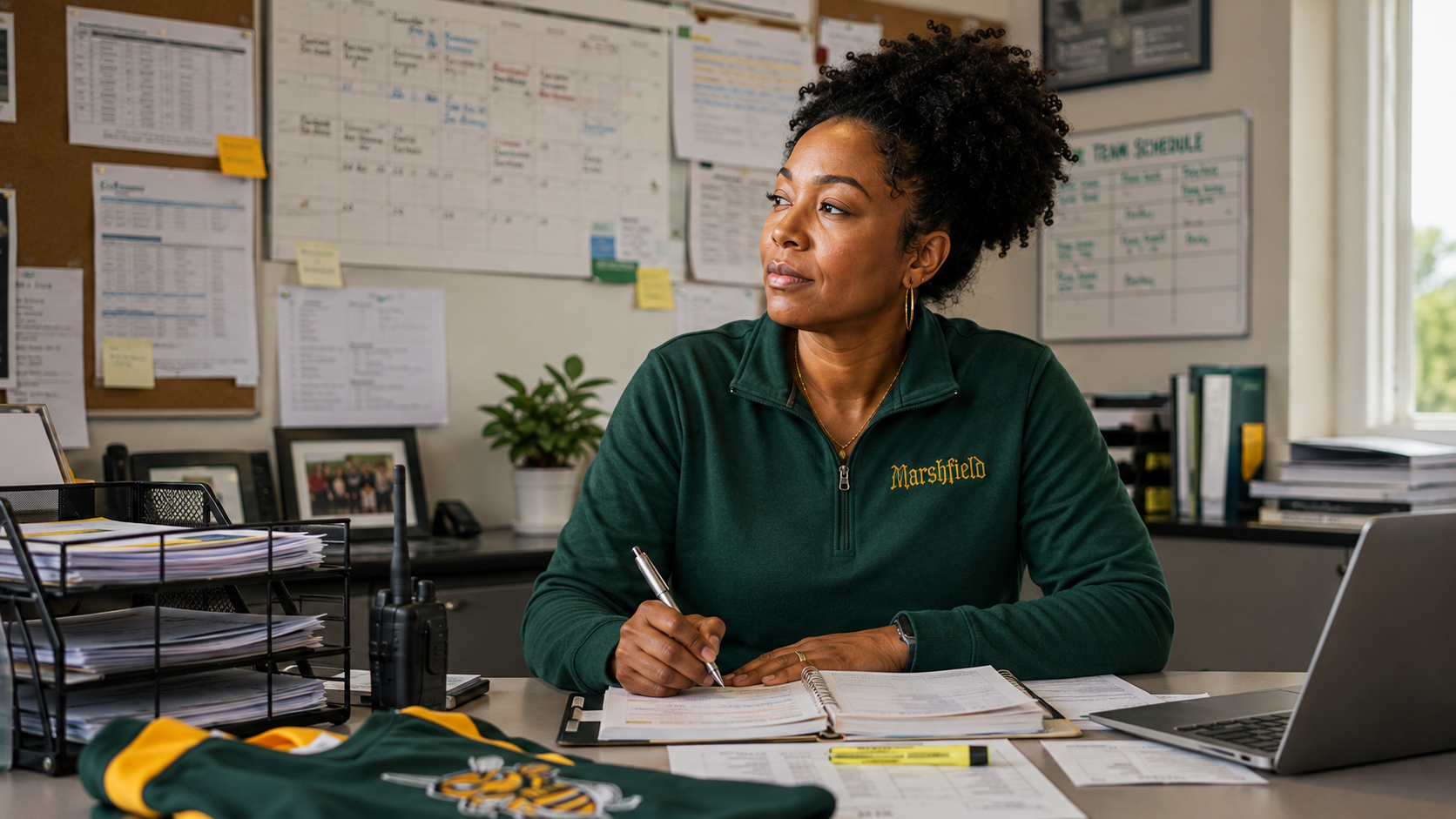
Most decorators eventually develop efficient habits with school accounts they've held for years. Artwork gets organized. Brand standards become familiar. Proven products are easier to recommend. The process improves because knowledge accumulates.
The opportunity is to bring that long-term mindset to the first conversation, not wait several seasons for it to develop.
Many schools have experienced what happens without continuity. Every order begins with another search for files, another interpretation of the logo, and another version of how the program should look. Nothing may be dramatically wrong, but the pieces stop feeling connected.
The AD notices the drift even when they can't name the technical cause. One season doesn't quite match the next. Different groups use different marks. Familiar decisions keep returning to their desk.
What's missing isn't more creativity. It's a system that remembers. One organized source for artwork. One standard for execution. One process that becomes smarter instead of resetting.
A decorator who introduces that continuity from day one is no longer pitching a single order. They're showing the school what a more stable program could feel like.
Change the First Meeting
Most decorator conversations begin with logistics: What are you considering? When does it need to launch? What budget range are we working within? Those questions are necessary, but stopping there only tells you what to quote.
Go one layer deeper. The follow-up question is where the real opportunity appears.
1. Start with: “What products are you considering?” Then ask: “What's already working well in your current apparel program?”
2. Start with: “When does the program need to launch?” Then ask: “Which dates or decisions usually create the most pressure?”
3. Start with: “What budget range are we working within?” Then ask: “Where does the current process tend to slow down?”
4. Start with: “Who needs to approve this?” Then ask: “What would make approvals easier for your team?”
5. Start with: “What needs to be quoted?” Then ask: “If we could remove one responsibility from your plate, what should it be?”
The first question gathers order details. The second reveals how you can become more valuable.
Don't return with another list of choices. Return with a direction.
Here's what I'd recommend based on what you told me. Here's why each piece belongs. Here's how we'll manage the timeline, approvals, and communication on our end.
That's the shift from order taker to partner. The AD is no longer being asked to manage the execution. They're deciding whether they trust your judgment and your process.
The Best Pitch Is Less to Manage
Athletic directors don't need another vendor waiting for instructions. They need a partner who sees the next decision coming, protects the timeline, and keeps the program moving.
Sell the apparel, certainly. But make the real value impossible to miss: fewer loose ends, fewer follow-ups, and one major responsibility already handled.
The best pitch isn't more shirts. It's less to manage.
The Team Shop Reboot Playbook includes the School Discovery Guide, Pitch Framework, and planning tools decorators need to lead stronger school conversations and build programs that get easier to run over time. Access the Playbook HERE.

Frequently Asked Questions
Q: What do athletic directors look for in a decorator?
A: Athletic directors need reliable products, but they also value a process that reduces uncertainty and administrative work. Clear communication, confident recommendations, brand consistency, and dependable follow-through all help make the apparel program easier to manage.
Q: How should a decorator sell to a school athletic director?
A: Begin by understanding the school's current process before presenting products. Ask where delays, confusion, and repeated decisions occur. Then recommend a focused direction and explain how the decorator will manage communication, approvals, and timing.
Q: What does it mean for a school apparel order to feel handled?
A: It means the athletic director doesn't have to supervise every detail. Updates arrive proactively, artwork follows the school's standards, timelines are clear, and the decorator addresses questions before they become additional work for the school.
Q: Why do schools stay with one decorator?
A: Schools are more likely to continue a relationship when each season becomes easier to run. A decorator who preserves artwork, remembers decisions, improves the process, and communicates consistently creates continuity that's difficult to replace.
Q: How can decorators build long-term school relationships?
A: Treat every campaign as part of an ongoing program. Capture what worked, organize reusable assets, follow up after delivery, and use each season's experience to improve the next recommendation.