
The Outdated Spirit Wear Problem and How To Solve It
There's a gap showing up in school hallways across the country, and once you see it you can't unsee it.
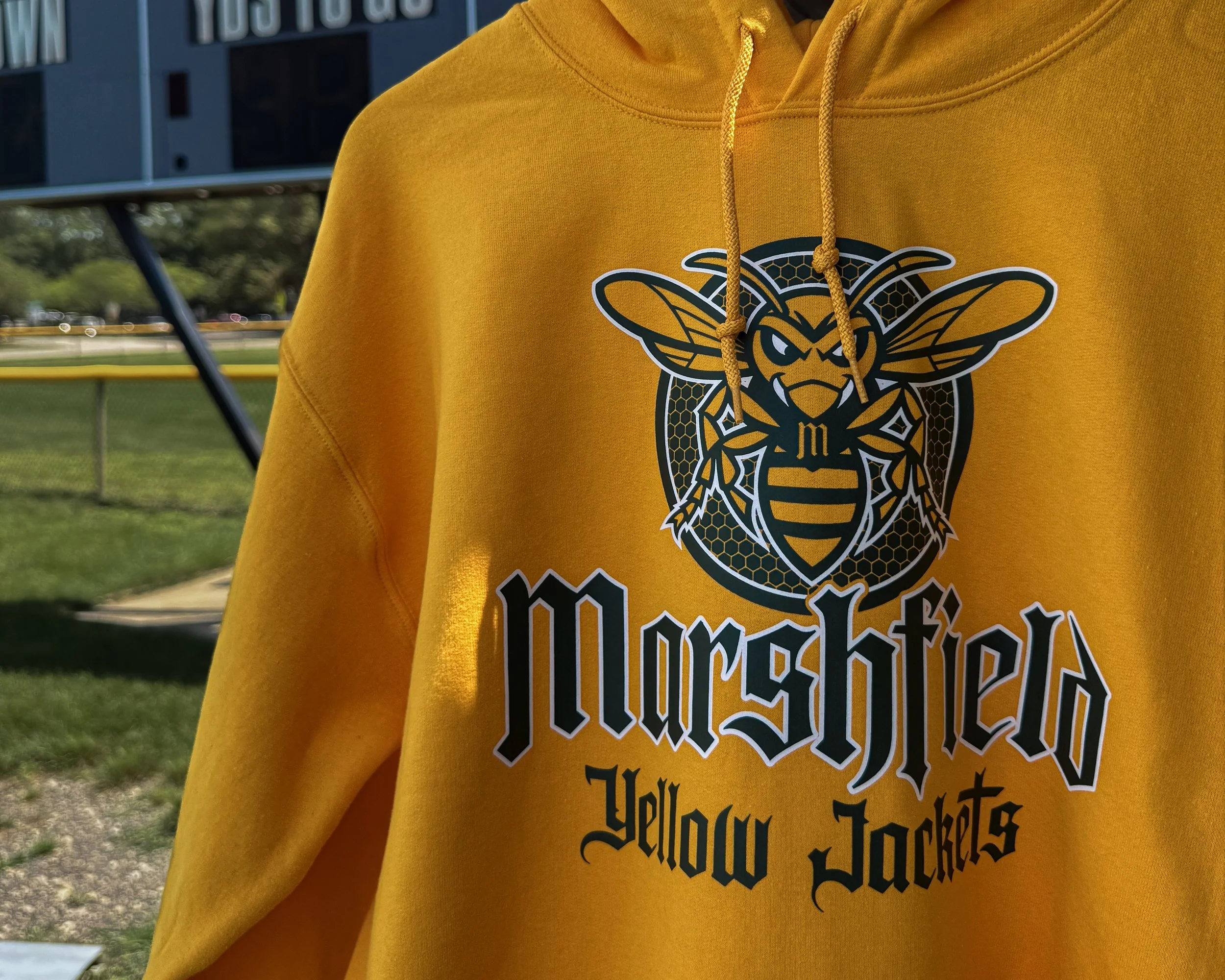
On one side: students wearing heavyweight hoodies in washed earth tones, oversized crewnecks with vintage-inspired graphics, and apparel that looks like it came straight from their favorite retail brands. On the other side: the school spirit wear store, often running the same styles, the same designs, and the same garment weights it's been running for years.
That gap is where spirit wear programs start losing momentum. Not because students care less about their schools. Because the merchandise hasn't kept up with how they think about apparel.
The good news is that the decorators who recognize this gap are turning it into one of the best business opportunities in their market. Here's how they're doing it.
Schools Have Built Strong Brands. The Merchandise Just Hasn't Caught Up.
Think about how much schools have invested in their brand identity over the last decade. Official color palettes. Recognizable marks. Graphic standards that carry across websites, signage, and social media. Some schools have brand infrastructure that rivals small companies.
The brand is genuinely there. The merchandise often isn't.
Spirit wear stores in a lot of school programs still feel like they belong to a different era. The same promotional garment weights. The same design approaches. Products built around a single event rather than everyday wear. Schools that have invested heavily in how they present themselves everywhere else are presenting something completely different when the spirit wear store opens.
Decorators who spot this disconnect and show up with a better vision are finding schools ready and eager to do something about it.
Schools have evolved their brand.
Their merchandise often hasn't.
The Competition Changed. Most Programs Didn't.
Here's the insight that changes how the best decorators approach school accounts. School spirit wear used to compete with other schools' spirit wear. Today it competes with everything in a student's closet.
| Then | Now |
|---|---|
| Spirit wear competed with other schools | Spirit wear competes with everything in a student's closet |
| Event purchase | Wardrobe purchase |
| School pride drove the decision | Quality, style, and school pride drive the decision |
| "Good enough" apparel | Apparel they'd willingly buy at retail |
Students aren't making a spirit wear decision.
They're making an apparel decision.
A student choosing between a heavyweight garment-dyed crewneck from a brand they love and a lightweight fundraiser sweatshirt isn't weighing school pride. They're weighing quality, fit, and whether they'd actually wear it. That's a fundamentally different bar. The decorators who understand this are building programs around it rather than ignoring it.
What the Best Decorators Are Doing Differently
The programs generating the most excitement right now aren't bigger or more expensive than the ones underperforming. They're just built around three better decisions.
| Start with Better Garments | Upgrade the Decoration | Curate, Don't Catalog |
|---|---|---|
|
• Heavyweight fleece • Garment-dyed blanks • Oversized silhouettes • Retail-inspired fits |
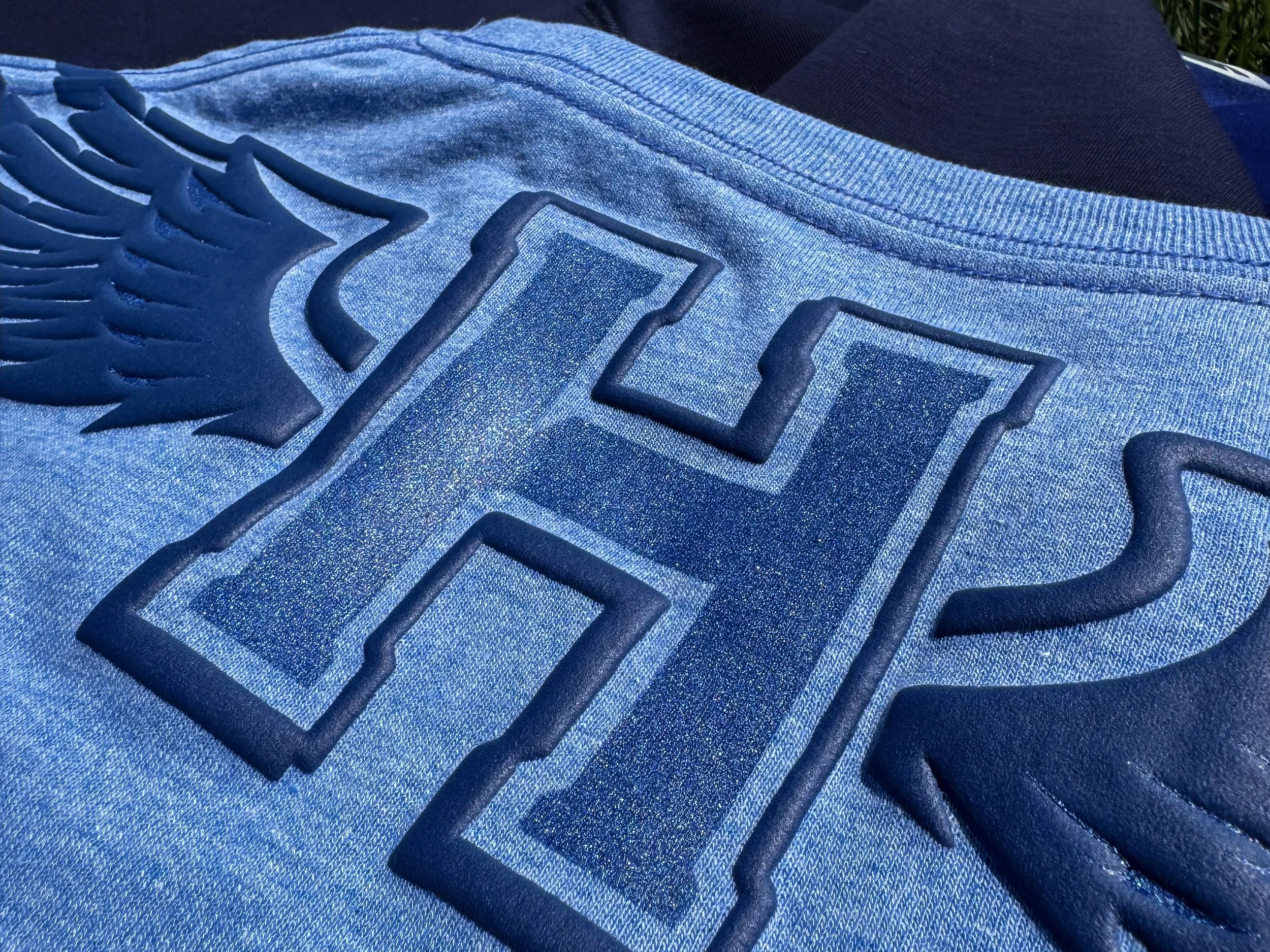
• Puff = Dimension • Vintage Wash = Retail aesthetic • Shimmer = Premium accents • DTF = Performance apparel |
• Position decorators as trusted advisors • Arrive with a curated recommendation • Skip the thirty-option catalog • Make the yes easy |
Great decorators don't bring catalogs.
They bring recommendations.
Instead of presenting thirty options and letting the school decide, the best decorators arrive having already made decisions: here are the three garments, here are the two finishes, here's the visual system. Schools respond to that expertise. It makes the conversation faster, the outcome better, and the relationship stickier.
Is Your Spirit Wear Program Showing Its Age?
A quick self-check before moving on:
☐ Still using the same sweatshirt every year?
☐ Every club has completely different artwork?
☐ Students only wear spirit wear during football season?
☐ Your best-selling garment hasn't changed in years?
☐ Students rarely wear school apparel outside school?
If you checked three or more, it may be time for a retail-first approach.
Would You Wear It?
Two versions of the same hoodie order, same school, same budget range.
| Option A | Option B |
|---|---|
|
• Lightweight hoodie • Generic mascot • Standard fundraiser design |
• Heavyweight retail hoodie • Vintage-inspired artwork • Puff decoration • Modern fit |
Which one do you think students would actually spend $60 on?
The gap between those two lists is the entire argument of this article. Nothing in Option B costs dramatically more to produce. It's a different set of decisions, not a bigger budget.
Consistency Is Where the Compounding Happens
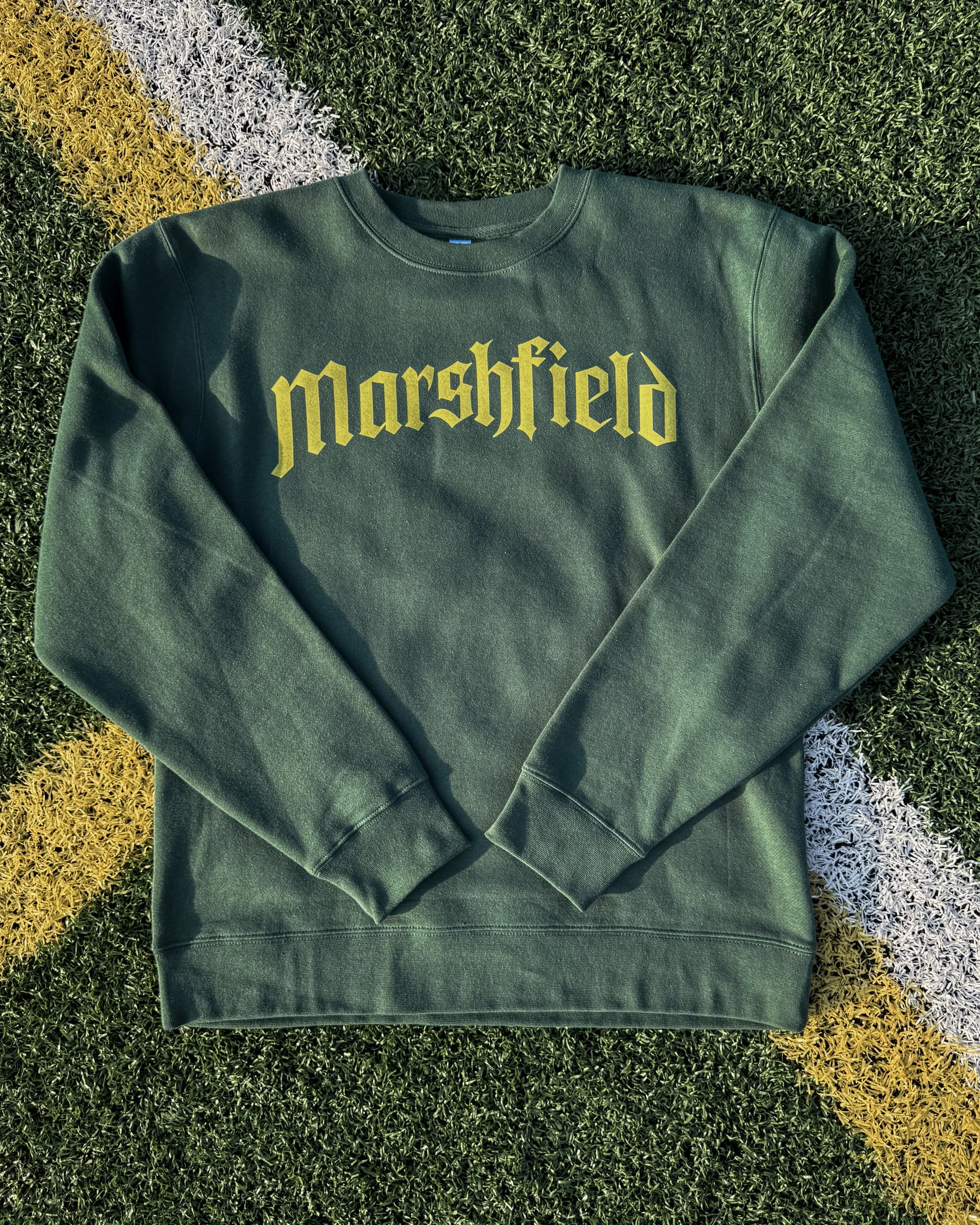
One of the most common patterns in underperforming programs is inconsistency: athletics runs one design style, the fundraiser runs another, student council does something else entirely. Over time the merchandise starts to look like it came from five different schools, and disconnected merchandise feels less valuable even when the individual pieces are well made. The strongest school accounts treat visual identity like a real brand: consistent colors, consistent typography, one graphic style carrying from performance apparel to spirit wear to staff pieces.
When that consistency is in place, something powerful happens. Each new piece makes every previous piece more recognizable. The brand builds on itself. Students who passed on the first drop see the hoodie everywhere and want one. Parents who grabbed a game-day tee start reaching for it on weekends. The school's brand becomes visible in places no pep rally ever reached, and the decorator who built that system becomes genuinely hard to replace.
The Conversation That Changes Everything
None of what the best school programs have requires a bigger budget. It requires a better conversation at the start of the project. The decorators solving the outdated spirit wear problem aren't order-takers. They're showing up to school meetings the way a retail buyer shows up to a brand meeting: with a point of view, a curated selection, and a clear recommendation. They're asking what the school wants students to feel when they wear the gear, and then building something that delivers that feeling.
That shift, from presenting options to making a recommendation, is what separates the decorators with one-time school accounts from the ones with programs that grow every year.
The gap between outdated spirit wear and great spirit wear is smaller than most schools realize. The decorator who helps them close it becomes something more valuable than a vendor. They become the person the school calls first.
The Team Shop Reboot Playbook has the tools, frameworks, and worksheets decorators need to build school accounts like this. Access the Playbook HERE.
Frequently Asked Questions
Q: Why does school spirit wear feel outdated?
A: Most spirit wear programs haven't kept pace with how students think about apparel. Students today compare school merchandise to the retail brands they wear every day, and when spirit wear doesn't clear that bar the program loses momentum regardless of how much school pride exists. Outdated garment choices, generic designs, and products built around single events rather than everyday wear are the most common culprits.
Q: What do students actually want to wear for school spirit wear?
A: Apparel that competes with what they'd already choose to buy. Heavyweight hoodies, garment-dyed crewnecks, and vintage-inspired designs in current silhouettes consistently outperform lighter-weight event-focused products. Students gravitate toward merchandise that feels like a genuine wardrobe addition rather than a fundraiser purchase.
Q: How can decorators help schools modernize their spirit wear programs?
A: By leading with a recommendation rather than a catalog. The most effective decorators arrive at school conversations having already made decisions about garments, finishes, and visual systems. Strong garment selection, cohesive branding, and decoration techniques that add perceived value including Puff, Vintage Wash, Shimmer, and Glitter all contribute to programs that perform better and build stronger school relationships.
Q: What makes school spirit wear successful in 2026?
A: Premium garments, consistent branding, modern graphics, and merchandise built for the whole school community including students, parents, staff, and alumni. The goal is apparel that becomes part of school culture year-round rather than a product associated with a single event or fundraiser.
Q: How does consistent branding improve school spirit wear sales?
A: When apparel feels like it belongs to the same school across every department, with consistent colors, typography, and graphic style, it feels more intentional and more valuable. Each new piece compounds the last by making the school's identity more recognizable across the community. Disconnected merchandise from different departments makes even good individual products feel less worth buying.
Q: What decoration techniques work best for school spirit wear in 2026?
A: Specialty finishes add dimension and perceived value that flat prints can't match. Puff creates a tactile premium-feeling logo that stands out immediately. Vintage Wash delivers a retail-inspired lived-in look students gravitate toward naturally. Shimmer and Glitter add visual interest that photographs beautifully and feels premium in hand. Used intentionally across a coordinated collection these finishes help simple designs stand out and feel genuinely worth owning.