
The Hidden Cost of Starting Over on Spirit Wear Every Season
Here’s the trap: you can keep winning the same school account and still rebuild it like a brand-new customer every season. The school calls. They need a store, designs, products, and a marketing push. You deliver all of it. The fundraiser closes out clean, and on paper, it looks like another win, but none of the work carried forward. Next season begins at the same blank page as the first.
That’s not a bad sale. It’s a good sale that never became a better system. The decorators who catch this aren’t working harder than everyone else. They’re making sure every season leaves something useful behind.
Why Every Season Feels Like the First One
Anyone running school spirit wear knows the routine. Before every campaign, the same decisions come back around: What are we selling? Which designs do we need? When does the store open? How do we get people excited again? You build it, promote it, run the sale, and close it out. A few months later, the same school returns with the same questions and nearly the same setup work.
A strong campaign feels like it should create momentum. Too often, that momentum ends when the store does. Parents file the order away, students move on, and the school shifts its attention to the next event. By the time the next selling window arrives, even an enthusiastic audience has to be warmed up again.
Meanwhile, demand for school spirit wear keeps moving. Students attend games throughout the year. Parents support multiple activities across multiple seasons. New families enter the district. Alumni return for homecoming looking for gear. The demand does not disappear just because the campaign ended.
Closing the store isn’t the problem.
Closing the loop is.
A seasonal store can still be part of a strong, ongoing program. The difference is what happens after it closes. If the artwork is saved, the sales data is reviewed, the audience stays connected, and the next campaign builds on the last one, the work compounds. If all of that disappears with the selling window, the account resets.
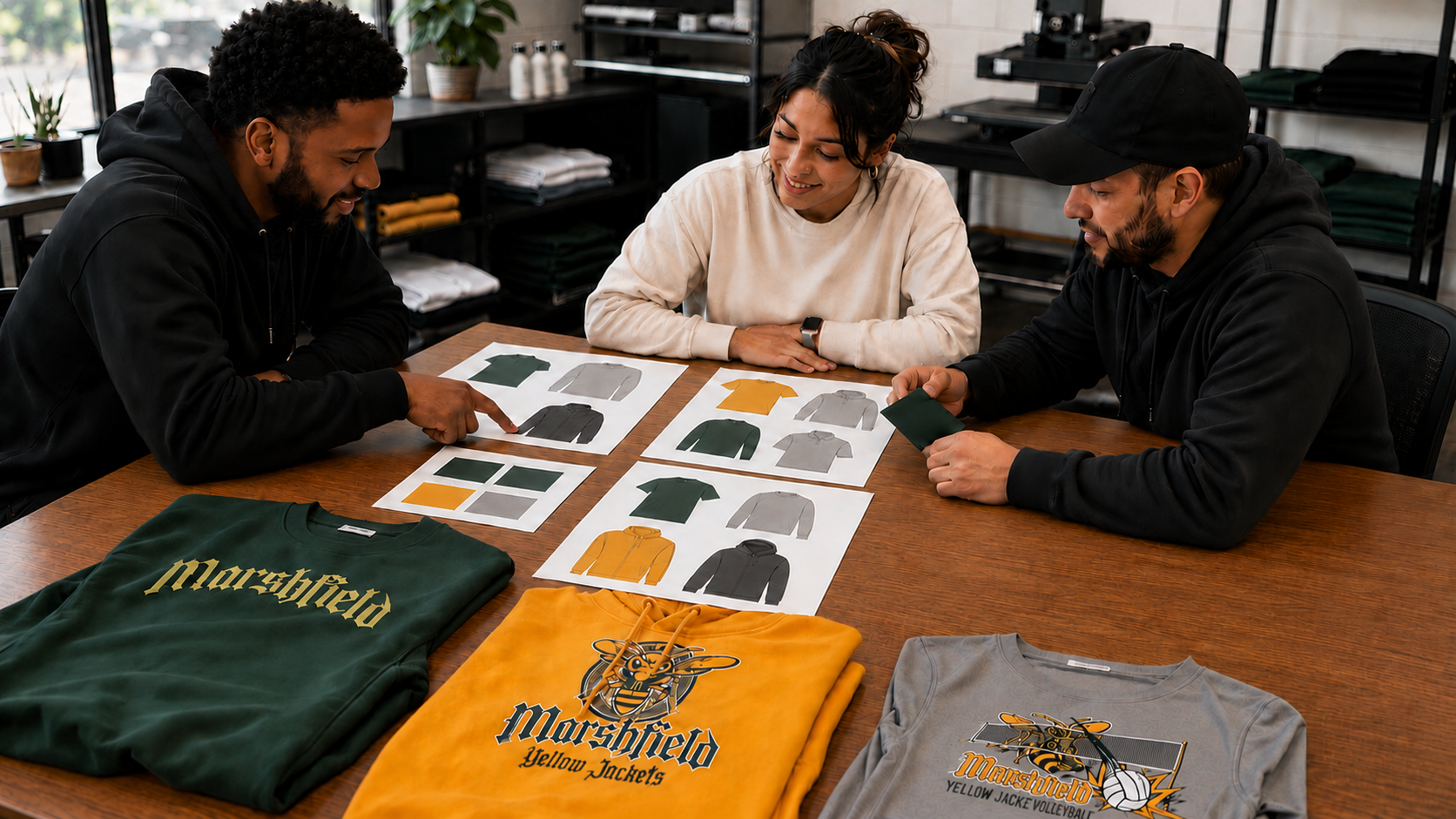
The Real Cost Isn’t One Missed Order. It’s Rebuilding the Same Work.
Most decorators running seasonal spirit wear don’t think of themselves as losing anything. The sale worked. The school is happy. The relationship is intact. What rarely gets calculated is the cumulative cost of rebuilding decisions and assets that already existed.
New artwork direction. New product selection. New store setup. New marketing. New urgency created from scratch for a school that already knows you, already trusts you, and has already bought from you. Five years into the account, the workload shouldn’t still look like year one.
If every season resets the work, the account never becomes more valuable to run.
Here’s where that repeated work tends to show up across a seasonal store:
| Task | Rebuilding From Scratch | Building On What Exists |
|---|---|---|
| Artwork | 5 to 8 hours, full redesign | 1 to 2 hours, pulled from the library and refined |
| Store setup | 3 to 5 hours, new build | Under 30 minutes, clone and refresh |
| Marketing content | 4 to 6 hours, new captions and graphics | 1 hour, reuse and update |
| Product selection | 2 to 3 hours of guesswork | Under 30 minutes, guided by last season's data |
No stopwatch is needed to see the pattern. The real cost is not one isolated task. It’s the accumulated effort spent rebuilding a foundation that could have stayed in place.
Quick Check: Are You Running Sales or Building a Program?
Check every statement that sounds familiar:
☐ Every season starts with a blank slate.
☐ Artwork gets rebuilt instead of reused or refined.
☐ You re-pitch the school as if it were a new account.
☐ No one hears from you between selling windows.
☐ Last season’s sales data does not shape this season’s plan.
If you checked three or more, you’re not short on effort; you’re short on a system that carries that effort forward.
Two Decorators. Two Comparable Accounts. Five Years Later.
Both decorators land comparable school accounts in year one. They begin with the same opportunity and put in roughly the same effort. By year five, however, they are running two very different businesses.
| Decorator A | Decorator B |
|---|---|
| Rebuilds the store from scratch every season | Stores and reuses artwork season over season |
| New art, new pitch, new push, every single time | Tracks what sold and adjusts before being asked |
| Re-engages the school like it's the first conversation | Stays visible to the school between selling windows |
| Year 5 looks just like Year 1 | Year 5 takes a fraction of the effort Year 1 did |
Which decorator will you be five years into your biggest account?
What Changes When Every Season Leaves Something Behind
The decorators who break this cycle make each campaign contribute to the next one. They build an artwork library instead of recreating every concept. They use sales history to narrow product choices instead of guessing again. They document what worked, stay visible between selling windows, and approach the school as an ongoing partner rather than a recurring transaction.
The result isn’t just more predictable revenue; it’s a stronger account that becomes easier to run, easier to grow, and harder for a competitor to replace.
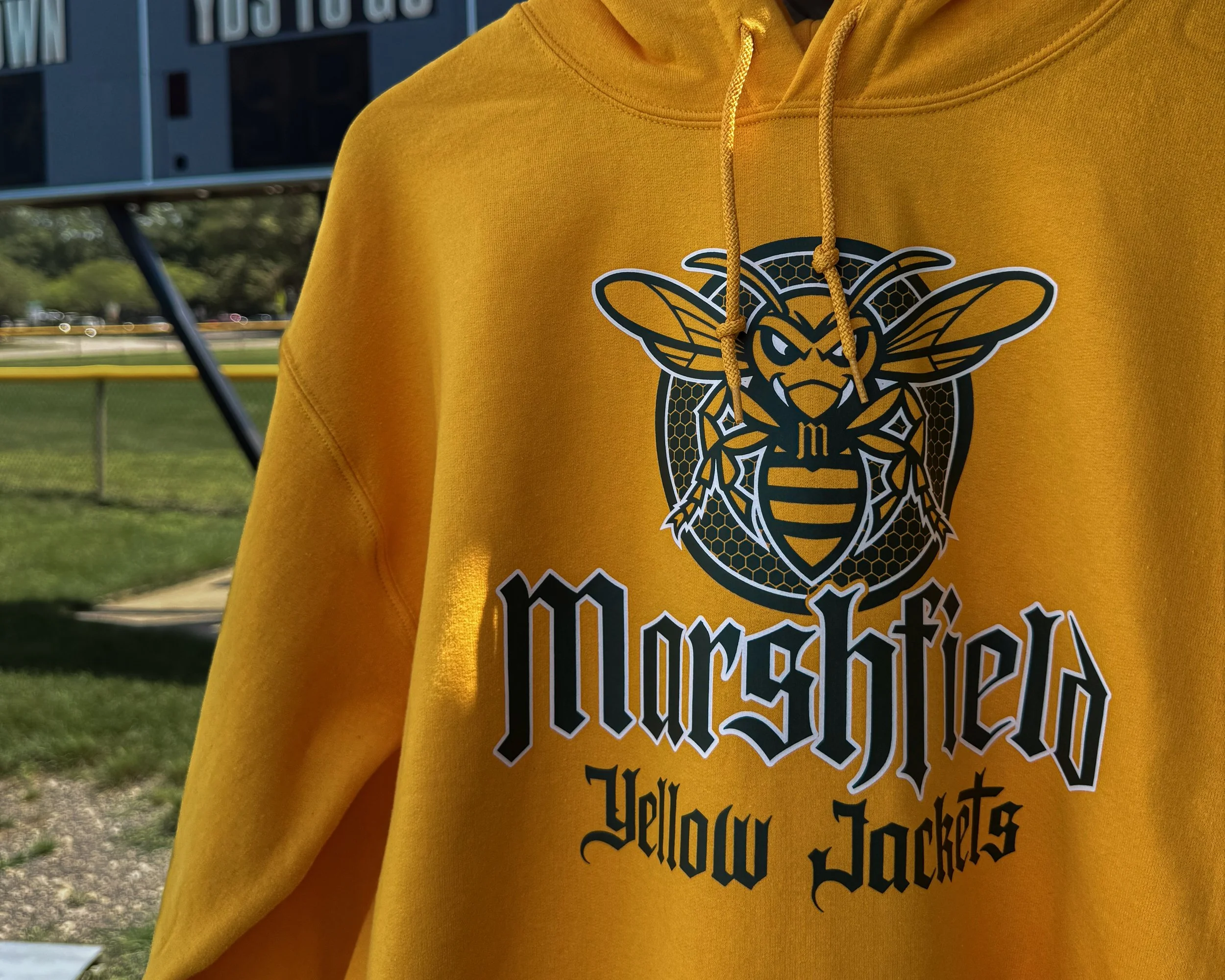
The Question Worth Sitting With
Most decorators running seasonal spirit wear are asking a useful tactical question: How do I run a better campaign this season? The more valuable question is underneath it: What will this campaign leave behind that makes the next one better?
A better campaign can improve one result. A better system improves the next result before the next campaign even begins. Strong school apparel programs aren’t built through a series of disconnected wins. They grow because every win adds artwork, insight, trust, and momentum to the account.
Five years from now, you may have run this account twenty or thirty times. The twentieth should be smarter, faster, and more valuable than the first.
The Team Shop Reboot Playbook includes the frameworks and worksheets you need to turn disconnected spirit wear sales into a program that gets stronger every season. Access the Playbook HERE.
Frequently Asked Questions
Q: Why do school spirit wear sales lose momentum between seasons?
A: Momentum is often lost when everything stops with the selling window. Demand continues among students, parents, new families, and alumni, but the audience connection fades when there is no follow-up between campaigns. A seasonal store can still work well if the decorator preserves the artwork, insights, and engagement that make the next launch stronger.
Q: How do decorators create more consistent school apparel revenue?
A: Shift from disconnected fundraisers to a repeatable program. Store and refine artwork, use sales history to guide future product choices, document what worked, and stay connected to the school between selling windows. This allows each campaign to build on the last instead of beginning from zero.
Q: What's the difference between a spirit wear sale and a spirit wear program?
A: A sale is a single event with a beginning, middle, and end. A program connects those events. It carries forward artwork, sales insights, audience relationships, and a clear plan, making the account more efficient and valuable over time.
Q: Why do some school spirit wear stores consistently outperform others?
A: The strongest programs do not simply restart. They evolve. Decorators reuse what worked, refine what did not, and apply real sales data to the next campaign. That continuity makes each launch more relevant while reducing repeated setup work.
Q: How does stored artwork reduce the cost of running school spirit wear programs?
A: Artwork created for a school account is a reusable business asset. Organizing it by school, team, season, and application makes proven designs easier to refresh, resize, and redeploy. Over time, that library improves brand consistency and reduces the amount of creative work required for each new campaign.