
The Rule of 3: Base, Specialty, WOW
TLDR
The Rule of 3—Base, Specialty, WOW—is a simple framework for structuring apparel showroom samples in a way that supports buying decisions. Base builds confidence. Specialty introduces logical upgrades. WOW anchors premium value. When displayed intentionally and side-by-side, this structure reduces overwhelm, strengthens pricing conversations, and turns curated samples into strategic sales tools.
By now, you know your showroom shouldn’t feel like a catalog.
You’ve edited the noise. You’ve curated with intention. You’ve aligned your samples with real sales moments.
Now it’s time to structure them.
Because even curated samples can fall flat if they’re not organized in a way that supports how people actually make buying decisions.
That’s where the Rule of 3 comes in:
Base. Specialty. WOW.
It’s simple. It’s strategic. And when done well, it quietly drives better conversations, smoother upgrades, and higher-value orders.
Why Three Works
Too many options overwhelm.
Too few options limit opportunity.
Three creates contrast without confusion.
In retail psychology, people naturally compare in sets. Three gives customers:
A safe choice
A smarter choice
A standout choice
Sound familiar?
It should. This mirrors the good, better, best pricing framework we discussed in February. The difference now is that you’re turning that pricing strategy into something customers can see and touch.
Your showroom becomes the physical version of your pricing menu.
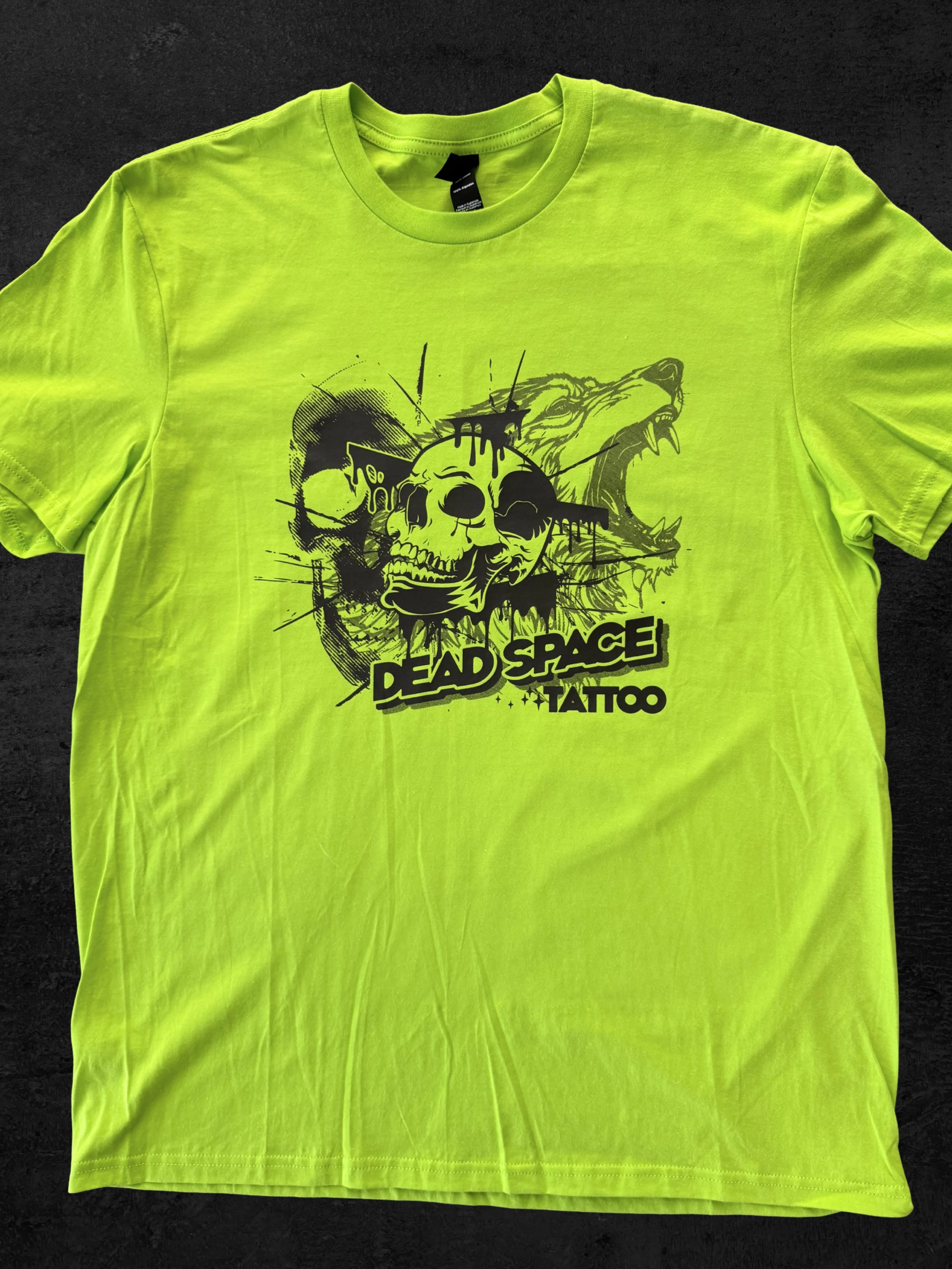
Good: 1 Color Howard Multi-Purpose with Halftones
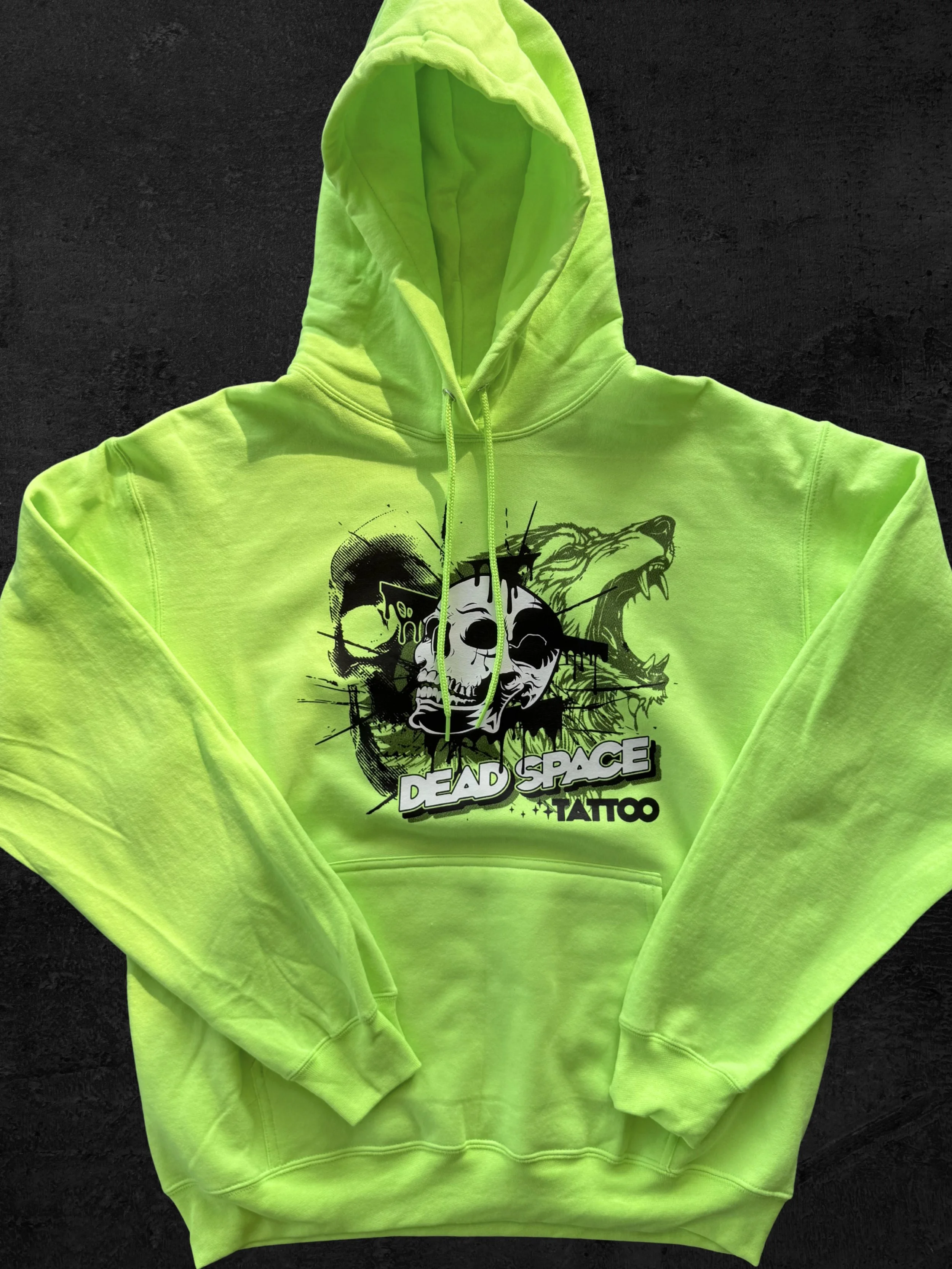
Better: 2 Color Howard Multi-Purpose with Halftones
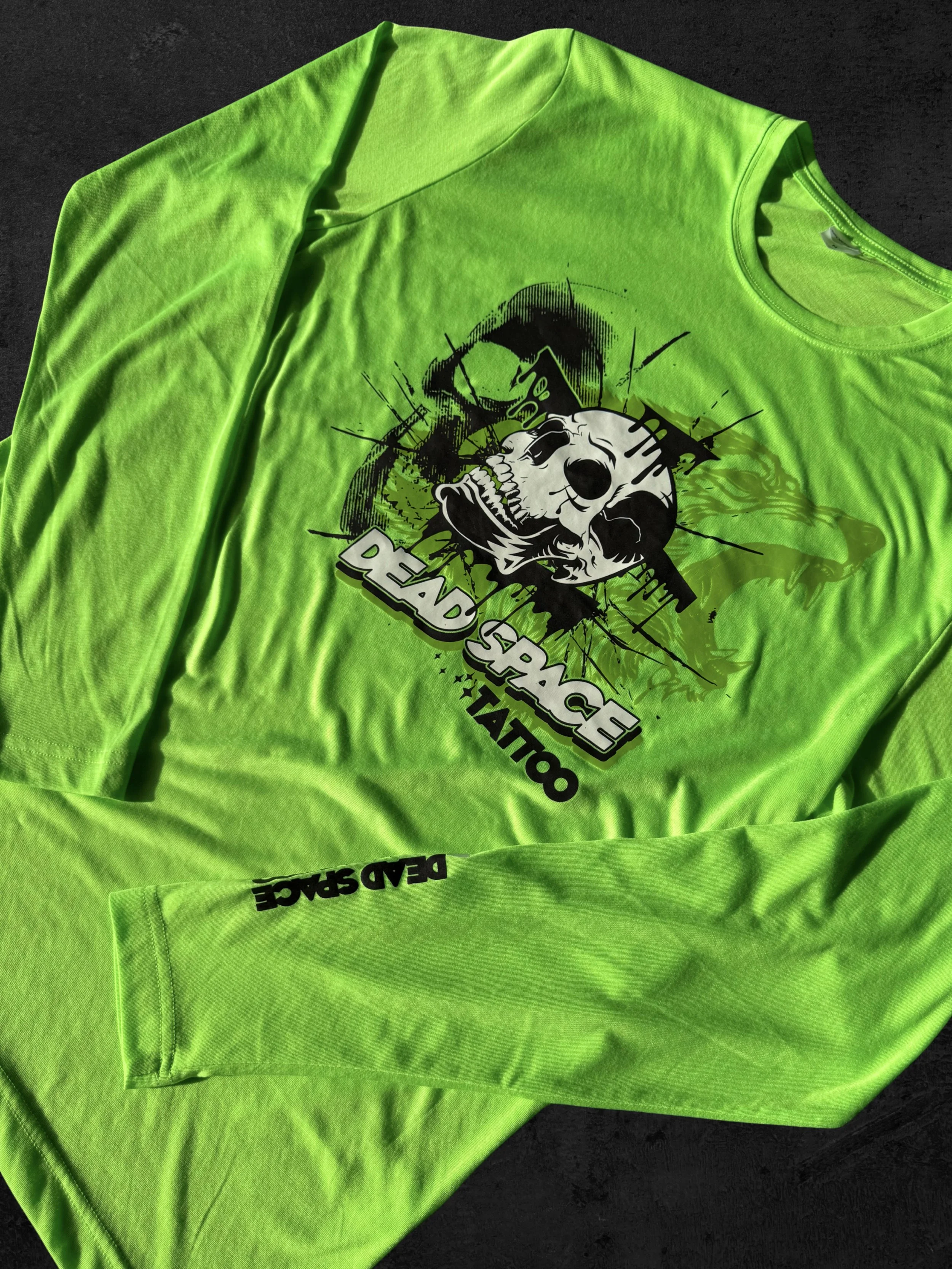
Best: 4 Color with Glow in the Dark Added
1. Base: The Confident Starting Point
Your Base piece is not your cheapest option. It’s your most dependable one. Read that again.
This is the piece that:
Represents your most common use case
Reflects current buying behavior
Works across industries
Is easy to recommend without hesitation
For many transfer-based decorators, this might be:
A clean screen printed transfer on a popular garment style
A full-color DTF print applied to a retail-ready sweatshirt
A standard finish that feels polished but not flashy
The Base piece does one very important thing: It lowers risk.
When customers feel safe, they’re open to conversation. Without a strong Base, everything else feels like an upsell. With it, everything else feels like a natural progression.
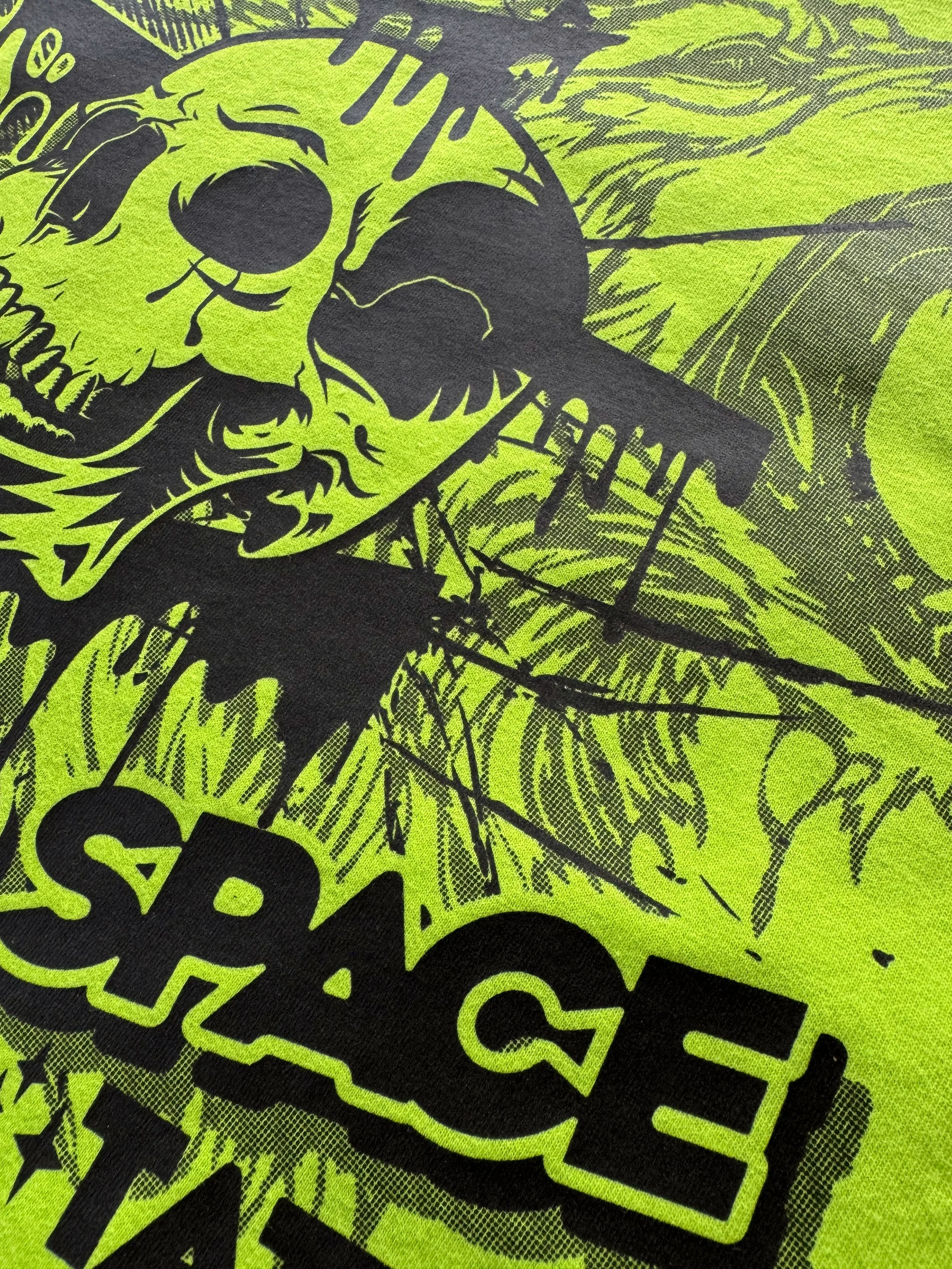
2. Specialty: The Logical Upgrade
This is where margin lives.
Your Specialty piece builds directly off your Base. Same garment. Same artwork. One intentional upgrade.
Maybe it’s:
A dimensional puff transfer instead of flat ink
A shimmer finish instead of standard color
A vintage wash treatment instead of a clean print
The key is clarity.
Customers should immediately understand:
What changed
Why it feels different
Why it might cost more
When Specialty is positioned next to Base, comparison becomes effortless. You don’t have to sell harder. The contrast does the work.
This is where heat transfers shine. The same design can be produced in multiple finishes without re-engineering the entire setup, making side-by-side comparison practical and powerful.
Specialty should feel attainable, not extreme.
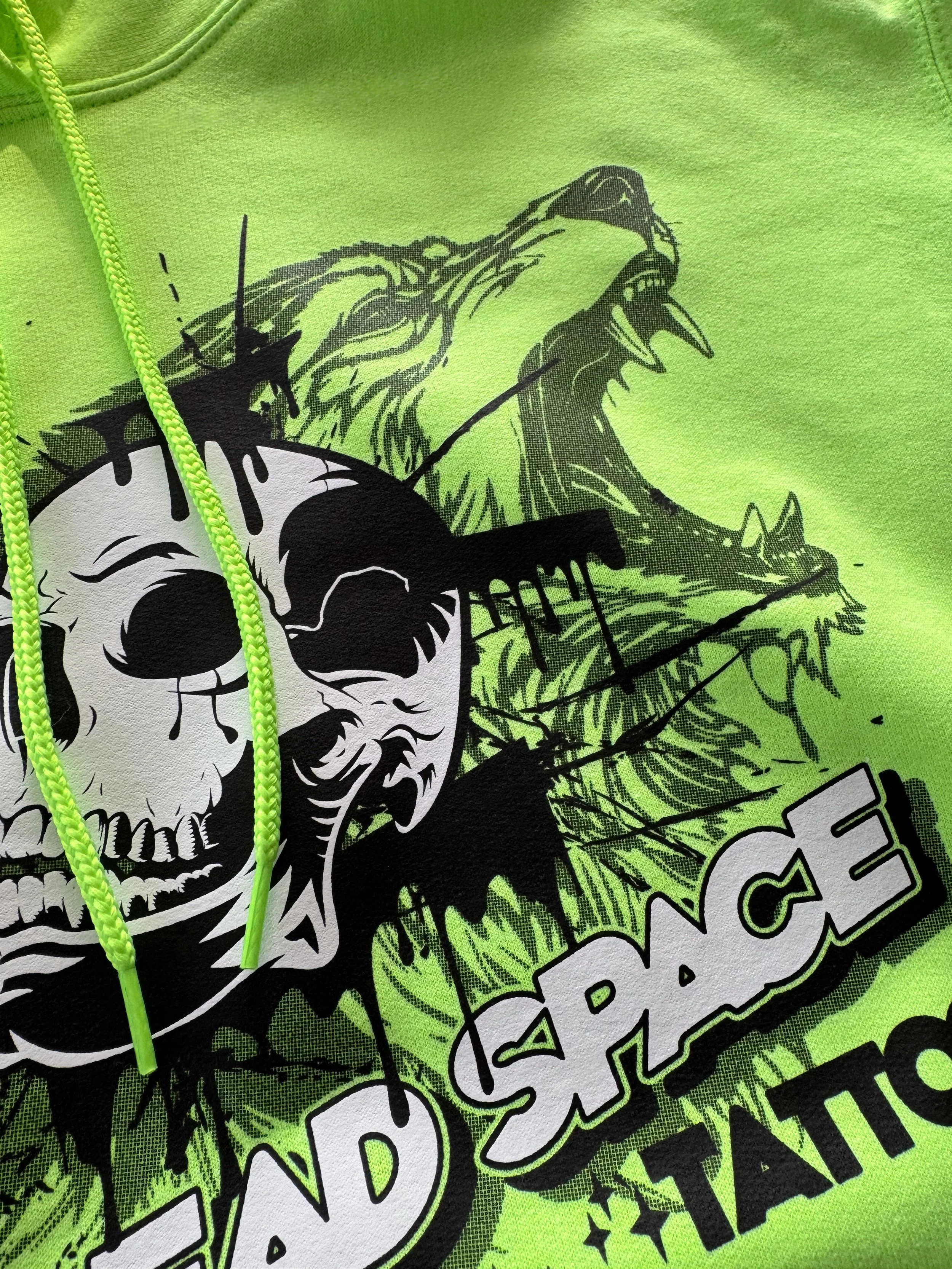
3. WOW: The Strategic Punctuation Mark
Here’s where many decorators go wrong. They turn WOW into the whole wall.
But WOW only works when it has space.
Your WOW piece is:
Visually striking
Texturally engaging
Memorable
It might be:
A bold specialty finish combined with flat ink for a multi-dimensional or mixed-media effect
A dramatic oversized application
Multiple applications on one garment for a fully customized, curated piece
WOW isn’t there to start the conversation, it’s there to elevate it.
When customers move from Base → Specialty → WOW, the progression feels intentional. It feels curated. It feels like expertise guiding them.
And importantly, it makes premium pricing feel justified.
When WOW sits next to Base and Specialty, it anchors the top tier without making it feel excessive.

How to Physically Structure the Rule of 3
Keep it clean and deliberate.
Place Base first in the visual flow.
Position Specialty directly beside it.
Give WOW breathing room.
Do not scatter them across the room.
The power of the Rule of 3 lives in proximity. The comparison should feel obvious, not forced.
Use the same artwork whenever possible. Removing design variables sharpens the focus on finish, texture, and application differences.
When customers can isolate what changed, value becomes clear.
What the Rule of 3 Fixes
If your showroom feels:
Random
Hard to explain
Overly technical
Price-focused
The Rule of 3 solves that.
It gives your team a script without scripting them.
It helps customers self-select upgrades.
It reinforces your pricing structure without turning into a pricing lecture.
Most importantly, it shifts your showroom from being a display of what you can do to a guide for what customers should choose.
Common Questions About the Rule of 3
Does every display need all three?
Not necessarily. But for your core sales categories, having a Base, Specialty, and WOW option creates clarity and contrast.
Can my WOW piece rotate?
Absolutely. In fact, it should. Seasonal updates or new specialty finishes keep the display fresh while the Base and Specialty remain consistent.
What if customers always choose Base?
That’s still a win. Base exists to build trust. But when Specialty and WOW are positioned correctly, many customers will naturally upgrade once they understand the difference.
Does this only apply to heat transfers?
No. But transfer decorators have a unique advantage because the same artwork can be easily shown across multiple finishes and garment types, making comparison simple and effective.
Up Next
Next, we’ll explore why your WOW piece works best when used sparingly, and how restraint can actually strengthen perceived value and premium pricing conversations.